Anarcho-Syndicalism
Current that sees revolutionary unions as the basis for overthrowing capitalism through direct action and the general strike, organizing production by the workers themselves in a free, stateless society.
Compare with…Home / Ideologies / Anarcho-Syndicalism
Current that sees revolutionary unions as the basis for overthrowing capitalism through direct action and the general strike, organizing production by the workers themselves in a free, stateless society.
Compare with…In one sentence
I want revolutionary unions to overthrow capitalism through direct action and the general strike, with workers controlling production, statelessly.
Political axes
Leans further toward federal than 91% of the 276 ideologies in the catalog.
Of all the axes, Structure is where it stands furthest from the rest.
On Control, it sits close to the catalog median.
Here it shares common ground with most ideologies.
Analytical Summary & Scientific Audit
Anarcho-Syndicalism belongs to the Anarchist political family across the 12 Axes framework. Core measured positions: Geopolitics: 96% Pacifist; Structure: 93% Federal; Immigration: 93% Multiculturalism; Religion: 91% Secular.
Political current calibrated from primary treatises in political philosophy and history of economic thought (SEP / HET).
Primary sources & scientific datasets
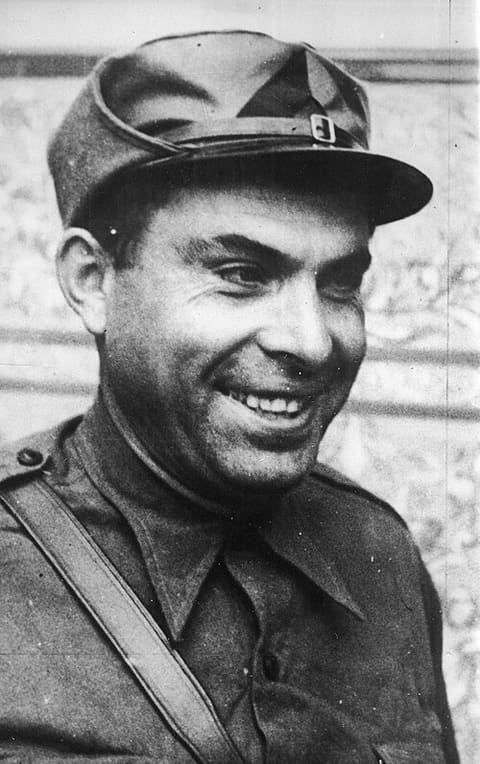
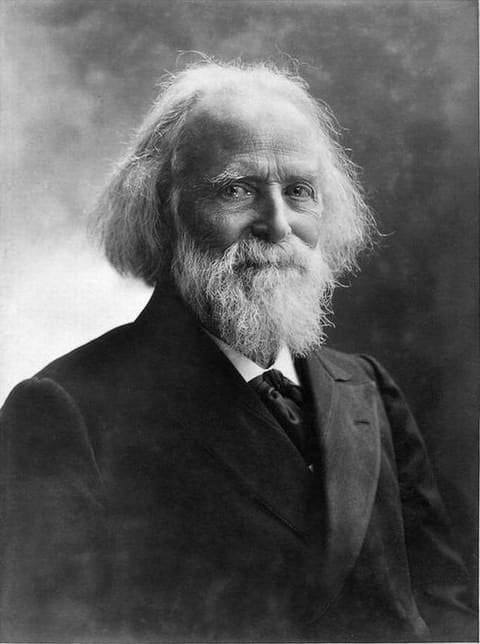
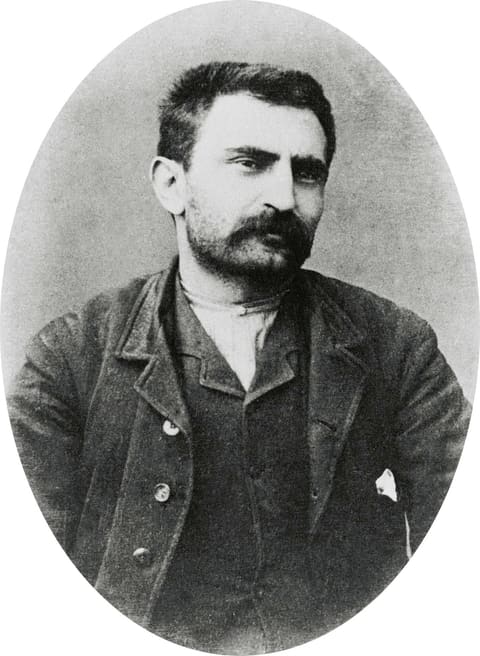
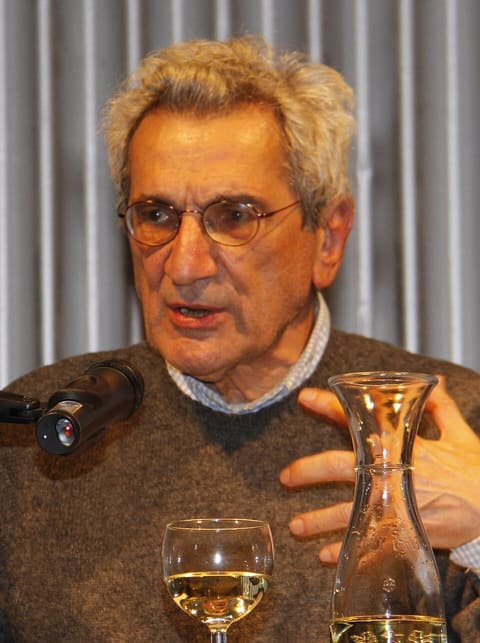
A Spanish anarcho-syndicalist revolutionary, Durruti was a central figure of the Spanish Revolution, leading workers' militias and collectivization during the civil war, becoming a symbol of militant anarchism.
Closest, by dimension
Other compatible profiles

The most distant
Reference country
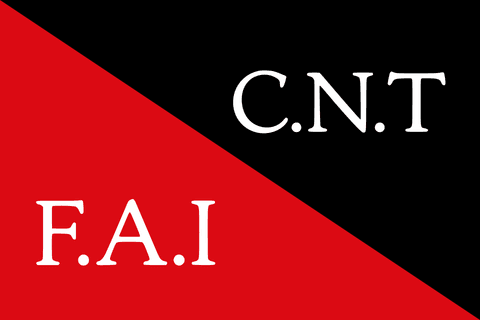
During the Spanish Revolution, regions of Aragon and Catalonia lived an anarchist experiment of collectivizing land and factories, with workers' self-management and social organization without a central state.
Other close countries
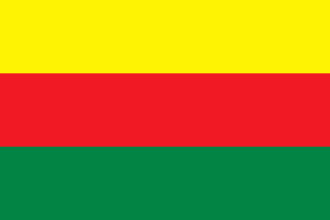
An autonomous region in northern Syria, Rojava organizes itself through democratic confederalism, with local self-management, gender equality, ethnic pluralism, and ecology, inspired by the libertarian ideas of Abdullah Öcalan.
Also close, by dimension
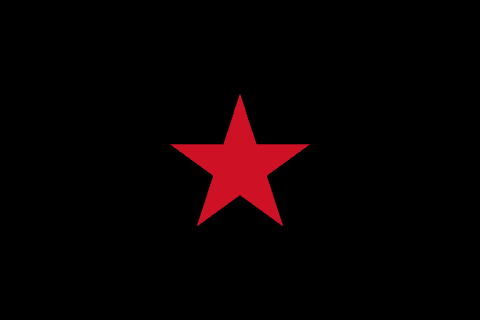


The most distant
During the Spanish Revolution, regions of Aragon and Catalonia lived an anarchist experiment of collectivizing land and factories, with workers' self-management and social organization without a central state.
Also close, by dimension


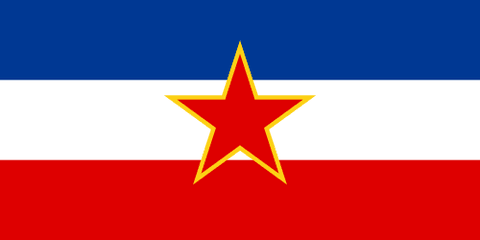
The most distant
Ideological proximity
Closest within Anarchist
Current that pursues socialism without an authoritarian state, uniting collective ownership and self-management with broad individual freedom, organized from the bottom up by free communities and workers.
Left-libertarian branch that unites broad individual freedom with collective or shared ownership of resources, defending autonomy, cooperation, and the rejection of both the authoritarian state and capital.
Current that unites anarchism and communism, proposing a society without state or private property, with collective production and distribution according to need, based on free association and mutual aid.
Closest in other spectrums
Movement that places unions and workers' organization at the center of politics, defending collective bargaining, direct action, and labor control over production as the path to working-class emancipation.
Democratic Marxism inspired by Rosa Luxemburg, which unites revolution and freedom, values the spontaneity of the masses and the general strike, and criticizes both reformism and the authoritarian centralism of vanguard parties.
Current that fuses socialism and ecology, attributing the environmental crisis to capitalism and defending collective, sustainable, and democratic production that respects the limits of nature and social needs.
The most distant ideology
Techno-FascismThird Position0%