Radical Centrism
Centrism taken to its limit: it refuses any leaning on principle and seeks exact equidistance between every pole, from economics to morality, treating each political axis as a balance point to be preserved.
Compare with…Home / Ideologies / Radical Centrism
Centrism taken to its limit: it refuses any leaning on principle and seeks exact equidistance between every pole, from economics to morality, treating each political axis as a balance point to be preserved.
Compare with…In one sentence
I want a society that takes no side, power that never tilts toward any pole, and an economy weighing state and market exactly equally.
Political axes
Leans further toward autocracy than 57% of the 276 ideologies in the catalog.
Of all the axes, Representation is where it stands furthest from the rest.
On Immigration, it sits practically at the catalog median.
Here it shares common ground with most ideologies.
Analytical Summary & Scientific Audit
Radical Centrism belongs to the Center political family across the 12 Axes framework. Core measured positions: Structure: 50% Federal; Representation: 50% Democracy; Power: 50% Security; Immigration: 50% Assimilation.
Ideology calibrated from canonical comparative Political Science literature (Heywood, Bobbio, Freeden, MARPOR and CHES).
Primary sources & scientific datasets

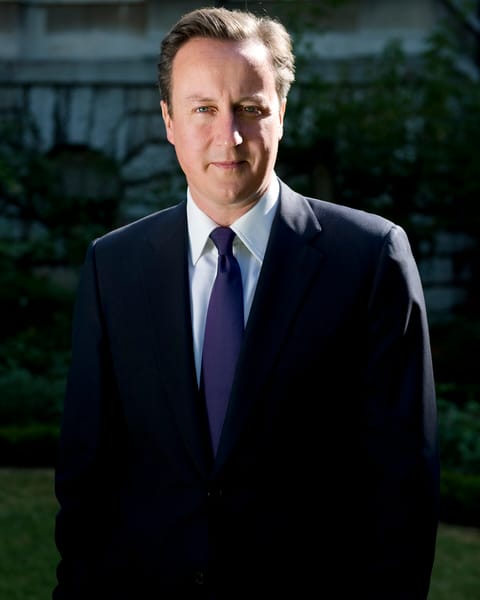
A French statesman, Macron reached France's presidency as a centrist, liberal reformer, defending markets, European integration, and economic reforms, seeking to overcome the traditional divide between left and right.
Closest, by dimension


Other compatible profiles







The most distant
Reference country

A European federal confederation, Switzerland is known for its direct democracy, strong cantonal autonomy, historic neutrality, and a prosperous economy based on finance, precision industry, and institutional stability.
Other close countries

A parliamentary republic, South Africa is the continent's largest industrial economy and a multiracial democracy born from the end of apartheid, marked by cultural diversity and deep social inequalities.
Also close, by dimension

The most distant
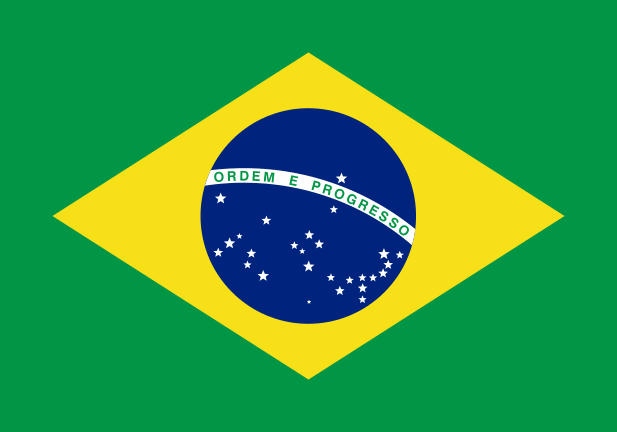
With Fernando Henrique Cardoso at the Finance Ministry and then in the Presidency, Brazil stabilized its currency with the Plano Real, privatized state firms and adopted a Fiscal Responsibility Law, in a democracy that approved presidential re-election.
Also close, by dimension


The most distant
Ideological proximity
Closest within Center
Political position that seeks balance between left and right, valuing moderation, pragmatism, and consensus, and combining elements of different currents to avoid extremes and favor gradual reforms.
Political stance that judges proposals by the practical results they produce rather than fidelity to an ideological dogma, combining market measures, regulation, and social policy according to evidence and each problem's context.
Defense of monarchy as a symbol of unity and continuity, with the king subject to the constitution and parliament, uniting tradition and institutional stability with representative democracy and the rule of law.
Closest in other spectrums
Conservatism that protects institutions, family and order without doctrinal rigidity: it allows gradual reform and concessions in order to conserve the essential, in the line of Burke and Disraeli, rather than restoring an idealized past.
Pragmatic branch that prioritizes fiscal adjustment, economic stability, and governability through broad coalitions, accepting market reforms and political concessions in the name of short- and medium-term results.
Model associated with Brazil's Workers' Party governments that seeks growth with social inclusion, combining rising minimum wages, popular credit, cash transfers and public banks without breaking with the market.
The most distant ideology
Stalinist SocialismRadical Left44%