Social Centrism
Centrist branch that accepts the market economy but prioritizes social protection, public services, gradual reforms, and institutional consensus to reduce inequality without political rupture or permanent polarization.
Compare with…Home / Ideologies / Social Centrism
Centrist branch that accepts the market economy but prioritizes social protection, public services, gradual reforms, and institutional consensus to reduce inequality without political rupture or permanent polarization.
Compare with…In one sentence
I want a market balanced by strong social protection, with gradual reforms and institutional consensus reducing inequality.
Political axes
Leans further toward free trade than 66% of the 276 ideologies in the catalog.
Of all the axes, Trade is where it stands furthest from the rest.
On Economy, it sits practically at the catalog median.
Here it shares common ground with most ideologies.
Analytical Summary & Scientific Audit
Social Centrism belongs to the Center political family across the 12 Axes framework. Core measured positions: Representation: 79% Democracy; Geopolitics: 62% Pacifist; Immigration: 60% Multiculturalism; Trade: 60% Free trade.
Ideology calibrated from canonical comparative Political Science literature (Heywood, Bobbio, Freeden, MARPOR and CHES).
Primary sources & scientific datasets
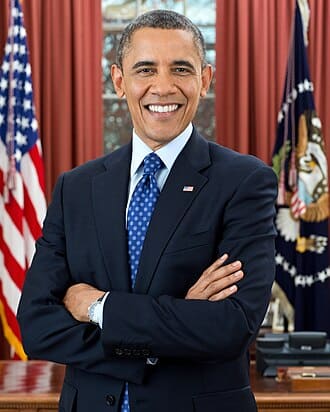
An American statesman, Obama symbolized moderate progressive liberalism, expanding public healthcare, civil rights, and multilateral diplomacy within an institutional market economy.
Closest, by dimension


Other compatible profiles






The most distant
Reference country

A presidential republic in Central America, Costa Rica stands out for abolishing its armed forces, its consolidated democracy, its environmental commitment, and a tradition of political stability and peace in the region.
Other close countries

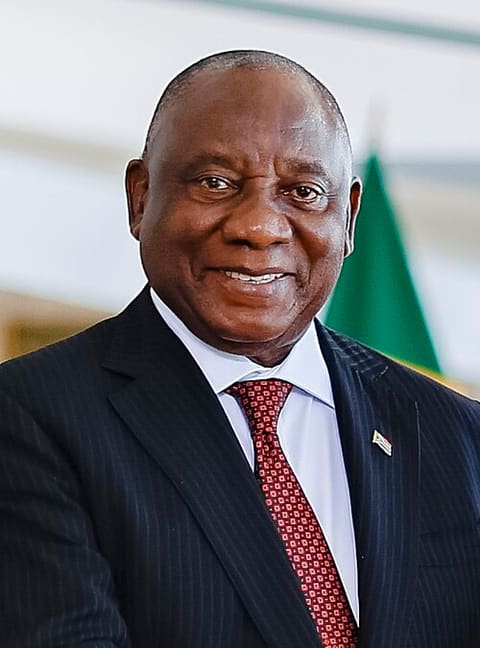
A parliamentary republic, South Africa is the continent's largest industrial economy and a multiracial democracy born from the end of apartheid, marked by cultural diversity and deep social inequalities.
Also close, by dimension


The most distant
With Fernando Henrique Cardoso at the Finance Ministry and then in the Presidency, Brazil stabilized its currency with the Plano Real, privatized state firms and adopted a Fiscal Responsibility Law, in a democracy that approved presidential re-election.
Also close, by dimension


The most distant
Ideological proximity
Closest within Center
Centrist branch that prioritizes sustainability, gradual energy transition, environmental regulation, and technological prudence, seeking to reconcile climate protection, markets, and democratic institutions without anti-capitalist rupture.
Political stance that judges proposals by the practical results they produce rather than fidelity to an ideological dogma, combining market measures, regulation, and social policy according to evidence and each problem's context.
Pro-market centrist branch that combines fiscal responsibility, liberal democracy, moderate international openness, and institutional reform, rejecting both broad statism and libertarian radicalism as a political program.
Closest in other spectrums
Model associated with Brazil's Workers' Party governments that seeks growth with social inclusion, combining rising minimum wages, popular credit, cash transfers and public banks without breaking with the market.
Liberal current that accepts an active role for the state in the economy and in guaranteeing rights, combining individual freedoms and markets with regulation and public policies aimed at the collective good and equality.
Current inspired by John Maynard Keynes that accepts markets and liberal democracy but gives the state the task of managing demand, with countercyclical public spending, full employment as a goal and a mixed economy.
The most distant ideology
Stalinist SocialismRadical Left35%