Christian Conservatism
Current that grounds politics in Christian morality and tradition, defending family, life, and religious values within democracy, with emphasis on preserving the people's customs and cultural heritage.
Compare with…Home / Ideologies / Christian Conservatism
Current that grounds politics in Christian morality and tradition, defending family, life, and religious values within democracy, with emphasis on preserving the people's customs and cultural heritage.
Compare with…In one sentence
I want a society faithful to Christian morals and faith, protecting family, life and inherited customs against the erosion of the times.
Political axes
Leans further toward religious than 90% of the 276 ideologies in the catalog.
Of all the axes, Religion is where it stands furthest from the rest.
On Geopolitics, it sits practically at the catalog median.
Here it shares common ground with most ideologies.
Analytical Summary & Scientific Audit
Christian Conservatism belongs to the Right political family across the 12 Axes framework. Core measured positions: Religion: 90% Religious; Morality: 90% Traditionalist; Trade: 69% Protectionism; Immigration: 68% Assimilation.
Ideology calibrated from canonical comparative Political Science literature (Heywood, Bobbio, Freeden, MARPOR and CHES).
Primary sources & scientific datasets
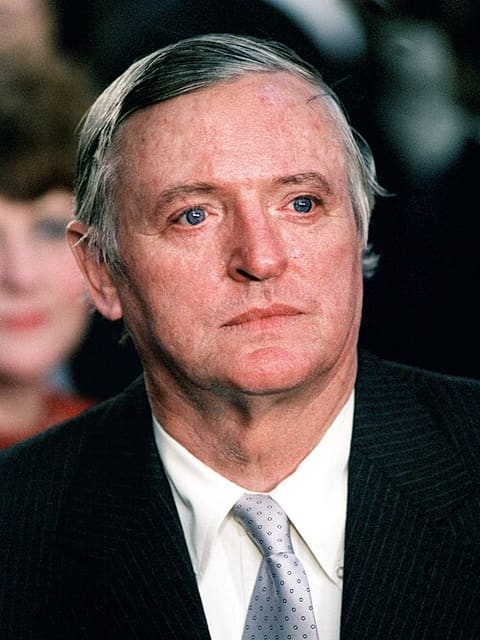
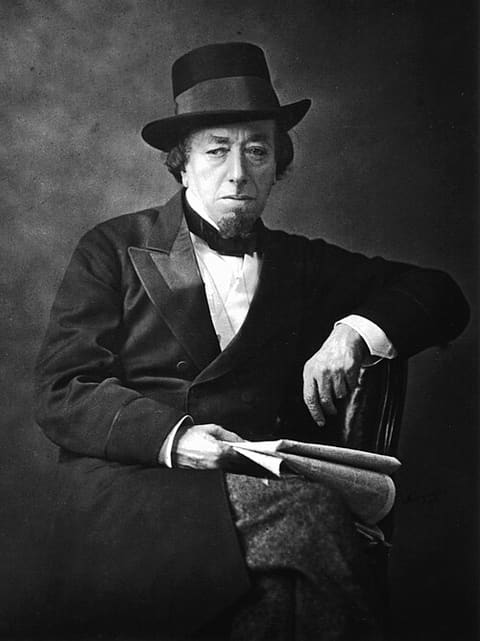
An American intellectual, Buckley articulated modern conservatism in the United States, uniting free markets, anti-communism, and traditional Christian values into a coherent, influential political and cultural force.
Closest, by dimension

Other compatible profiles




The most distant
Reference country
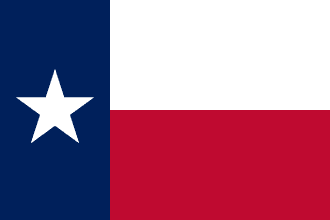
The second-largest US state, Texas stands out for its conservatism, its culture of strong individual freedom, low taxation, and a dynamic market economy tied to energy and industry.
Other close countries
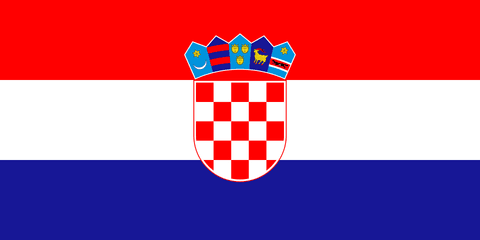
A Catholic parliamentary republic, Croatia belongs to the EU, the euro, Schengen and NATO, with a dominant Adriatic tourism sector, long-lasting HDZ governments, a contested memory of the war of independence, a Serb minority and a Church influential on family issues.
Also close, by dimension
The most distant
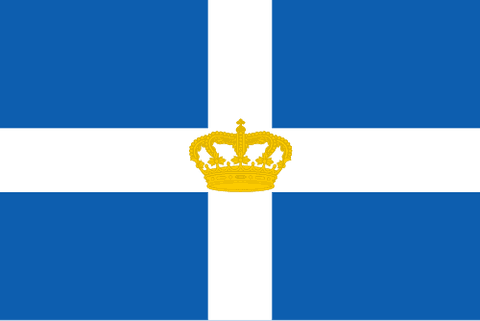
Hellenic state under the Wittelsbach and Glücksburg dynasties, forged in independence against the Ottomans, marked by strong Orthodox faith, royal authority, and Megali Idea expansionism.
Also close, by dimension

The most distant
Ideological proximity
Closest within Right
Current that unites traditional values, family, and religion with strong cultural nationalism, defending sovereignty, borders, and the people's identity within democracy, with clear distrust of globalism.
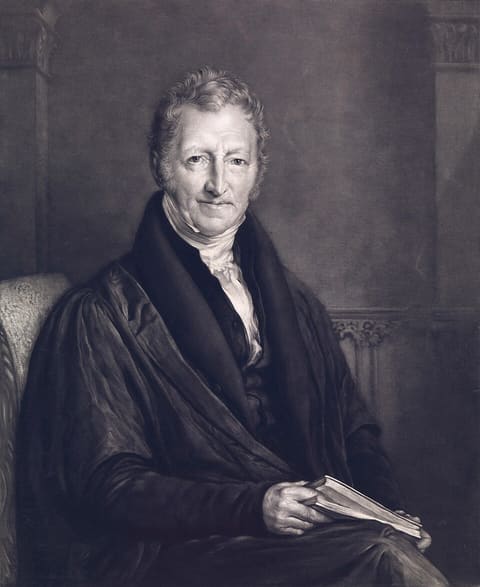
Doctrine inspired by Malthus that proposes curbing population growth through late marriage, education and family responsibility, replacing poor relief with work incentives and protecting property and national agriculture.
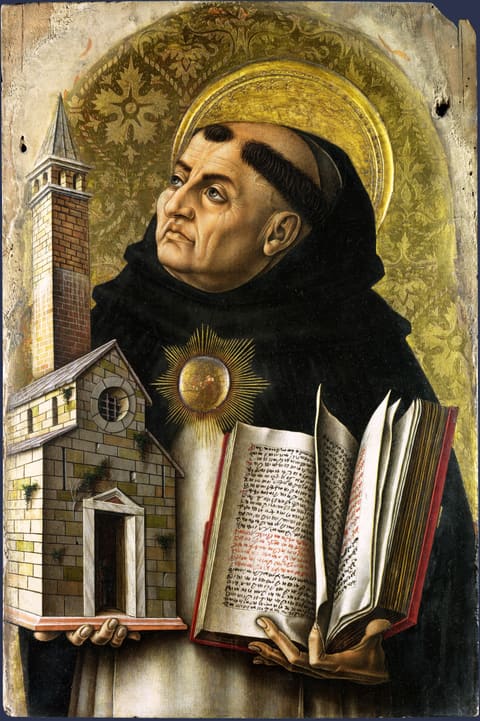
Revival of Thomas Aquinas's thought from 1879 (Leo XIII), with Maritain and Gilson. It grounds politics in natural law, the common good and subsidiarity, favoring mixed government, property with a social function and just war, under Catholic faith.
Closest in other spectrums
Centrist branch that combines economic moderation and institutional respect with social conservatism, valuing family, religion, order, and gradual change without joining the authoritarian right or populist radicalism.
Justicialist doctrine of Juan and Eva Perón uniting political sovereignty, economic independence and social justice, with CGT unions, nationalizations, protected industrialization, social Catholicism and a charismatic leader above parties.
Authoritarian, corporatist, Catholic regime of Dollfuss and Schuschnigg (1934–1938): single party (Fatherland Front), a Ständestaat inspired by Quadragesimo Anno, repression of socialists and Nazis, and defense of a German, Christian, independent Austria.
The most distant ideology
Techno-AnarchismAnarchist2%