Neocameralism
A doctrine of Curtis Yarvin that proposes running the state as a joint-stock company: shareholders, a sovereign CEO, citizens as customers who can leave, guaranteed private property and politics replaced by management.
Compare with…Home / Ideologies / Neocameralism
A doctrine of Curtis Yarvin that proposes running the state as a joint-stock company: shareholders, a sovereign CEO, citizens as customers who can leave, guaranteed private property and politics replaced by management.
Compare with…In one sentence
I want a state run as a company, with shareholders and a sovereign CEO, no politics or elections, where citizens are customers free to leave.
Political axes
Leans further toward autocracy than 99% of the 276 ideologies in the catalog.
Of all the axes, Representation is where it stands furthest from the rest.
On Immigration, it sits practically at the catalog median.
Here it shares common ground with most ideologies.
Analytical Summary & Scientific Audit
Neocameralism belongs to the Right political family across the 12 Axes framework. Core measured positions: Representation: 95% Autocracy; Economy: 84% Private; Trade: 79% Free trade; Technoscience: 75% Acceleration.
Ideology calibrated from canonical comparative Political Science literature (Heywood, Bobbio, Freeden, MARPOR and CHES).
Primary sources & scientific datasets
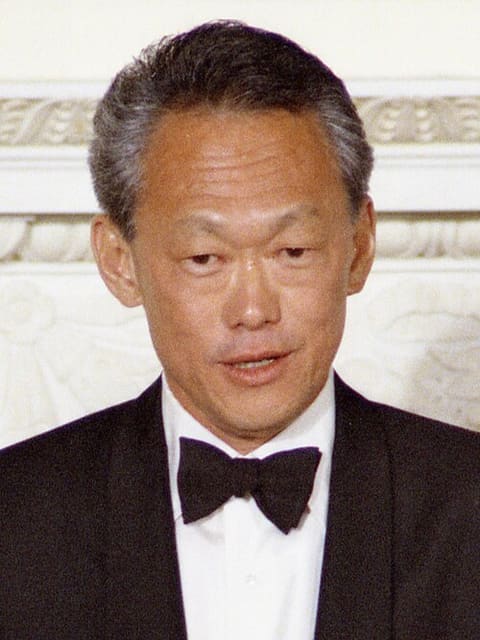
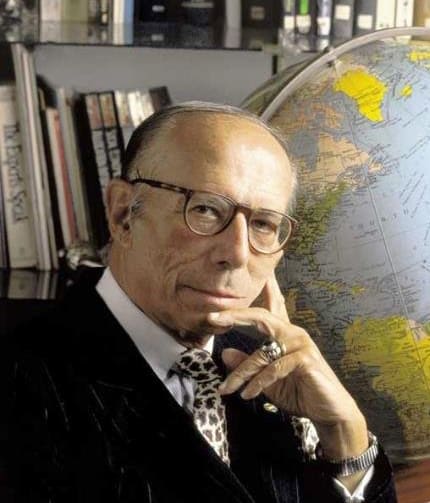
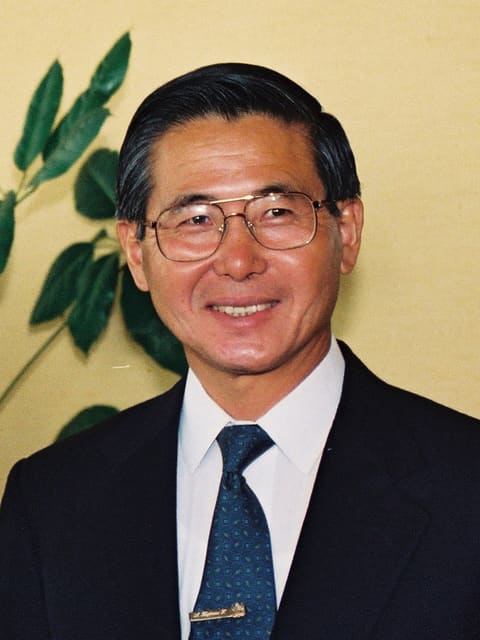
Founder of Singapore, Lee Kuan Yew transformed the city-state into a model of authoritarian capitalism, uniting open markets, technocratic meritocracy, strict order, and heavily restricted political freedoms.
Closest, by dimension
Other compatible profiles


The most distant
Reference country
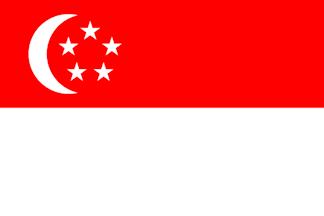
An Asian city-state, Singapore is a parliamentary republic dominated by a single party, combining open capitalism, efficient technocratic management, strict order, and limited political freedoms in the name of progress.
Other close countries
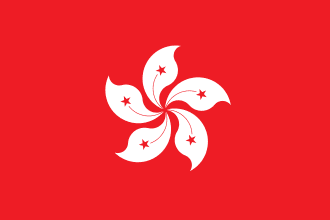
A global financial center, Hong Kong is an autonomous region of strong free-market capitalism and technocratic management, whose broad autonomy has been increasingly restricted by mainland China's political control.
Also close, by dimension
The most distant
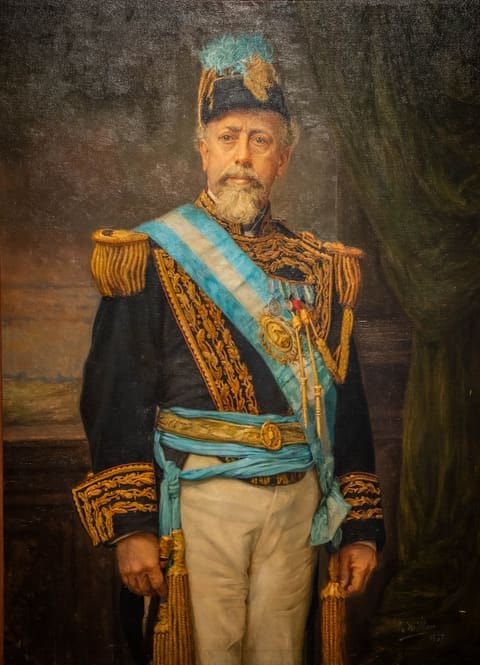
Under Alberto Fujimori, Peru combined a self-coup and the closing of Congress with neoliberal shock reforms, privatisations and trade liberalisation, alongside a dirty war against the Shining Path marked by massacres and forced sterilisations.
Also close, by dimension
The most distant
Ideological proximity
Closest within Right
Dynastic microstate model that trades political sovereignty for prosperity: a hereditary prince with real power, minimal taxation, secrecy and financial services as the revenue base, openness to foreign capital and residents, and no standing army.
Synthesis of the Asian Tigers: entrusts government to a merit-recruited technical elite insulated from the vote and guided by results rather than doctrine, combining free trade, open markets and low taxation with strict public order and state planning where it proves effective.
Nietzschean current that rejects egalitarian morality as herd resentment, defending a hierarchy of values, the aristocratic creation of meaning and the tragic affirmation of life after the death of God.
Closest in other spectrums
A unitary variant of neoreaction: an absolute CEO-monarch rules a centralized state through data and security technology (surveillance, AI), under market capitalism, private property and free enterprise, for the sake of stability and efficiency.
Current that combines a market economy, private property, trade openness, and technocracy with low democratic participation, holding that a strong, efficient state should preserve order, stability, and growth.
Intellectual current of Nick Land and Curtis Yarvin that criticizes democracy, egalitarianism and the academic-media "Cathedral", defends autocratic governments and the right of exit, and includes accelerationist strands. Critics also associate it with so-called race realism.
The most distant ideology
Techno-CommunismAnarchist2%