Technocracy
Model of government in which decisions are made by experts and technical, scientific criteria, entrusting engineers, economists, and scientists with the rational and efficient management of the state and the economy.
Compare with…Home / Ideologies / Technocracy
Model of government in which decisions are made by experts and technical, scientific criteria, entrusting engineers, economists, and scientists with the rational and efficient management of the state and the economy.
Compare with…In one sentence
I want a society run by experts, with technical decisions replacing political bargaining and a planned economy guided by scientific criteria.
Political axes
Leans further toward acceleration than 93% of the 276 ideologies in the catalog.
Of all the axes, Technoscience is where it stands furthest from the rest.
On Geopolitics, it sits practically at the catalog median.
Here it shares common ground with most ideologies.
Analytical Summary & Scientific Audit
Technocracy belongs to the Center political family across the 12 Axes framework. Core measured positions: Technoscience: 84% Acceleration; Religion: 75% Secular; Structure: 73% Unitary; Sovereignty: 68% Multilateralist.
Ideology calibrated from canonical comparative Political Science literature (Heywood, Bobbio, Freeden, MARPOR and CHES).
Primary sources & scientific datasets
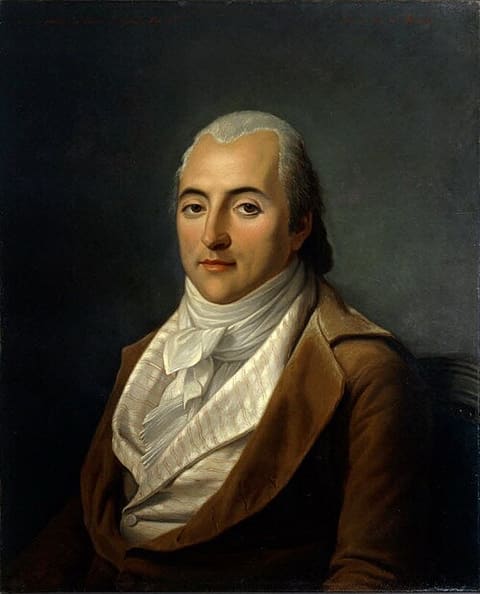
A precursor of technocracy, Saint-Simon proposed an industrial society governed by scientists, engineers, and producers instead of politicians and aristocrats, influencing later socialism and positivism.
Closest, by dimension



Other compatible profiles




The most distant
Reference country
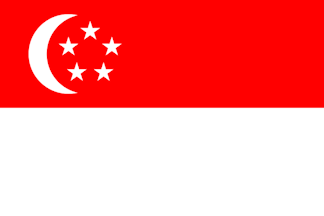
An Asian city-state, Singapore is a parliamentary republic dominated by a single party, combining open capitalism, efficient technocratic management, strict order, and limited political freedoms in the name of progress.
Other close countries
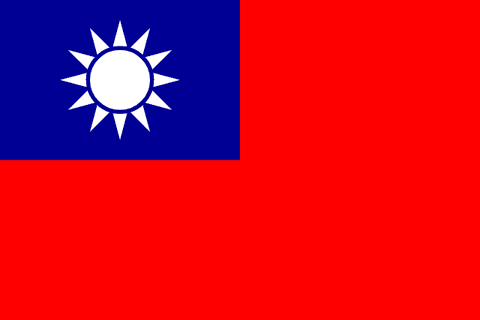
An island presidential republic, Taiwan is a vibrant democracy and global technology hub, especially semiconductors, living under constant military threat from China, and is Asia's pioneer in progressive causes such as marriage equality.
Also close, by dimension

The most distant
Germany's first democracy, the Weimar Republic united parliamentarism, proportional representation, and intense cultural life, but was undermined by economic crises and political instability that paved the way for Nazism.
Also close, by dimension


The most distant
Ideological proximity
Closest within Center
Centrist branch that prioritizes sustainability, gradual energy transition, environmental regulation, and technological prudence, seeking to reconcile climate protection, markets, and democratic institutions without anti-capitalist rupture.
Political position that seeks balance between left and right, valuing moderation, pragmatism, and consensus, and combining elements of different currents to avoid extremes and favor gradual reforms.
Political stance that judges proposals by the practical results they produce rather than fidelity to an ideological dogma, combining market measures, regulation, and social policy according to evidence and each problem's context.
Closest in other spectrums
Current inspired by Auguste Comte that trusts science and reason to organize society, defending order, progress, and technical administration guided by knowledge in place of metaphysics and tradition.
Right-wing progressive branch that unites capitalism and the cult of technological progress with a socially progressive, pragmatic, and secular culture, entrusting society's direction to a technical elite rather than mass democracy.
Current inspired by John Maynard Keynes that accepts markets and liberal democracy but gives the state the task of managing demand, with countercyclical public spending, full employment as a goal and a mixed economy.
The most distant ideology
Anarcho-NaturismAnarchist12%