Home / Personalities / John Locke

Father of classical liberalismPhilosophy1632–1704

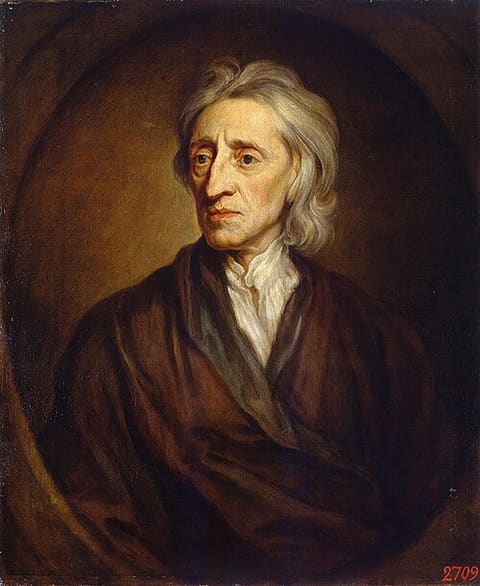
John Locke

The father of classical liberalism, Locke grounded the natural rights to life, liberty, and property and government limited by consent and the separation of powers, inspiring the modern liberal revolutions.

Closest spectrum
Center
Closest ideology
Liberal Centrism
Closest personality
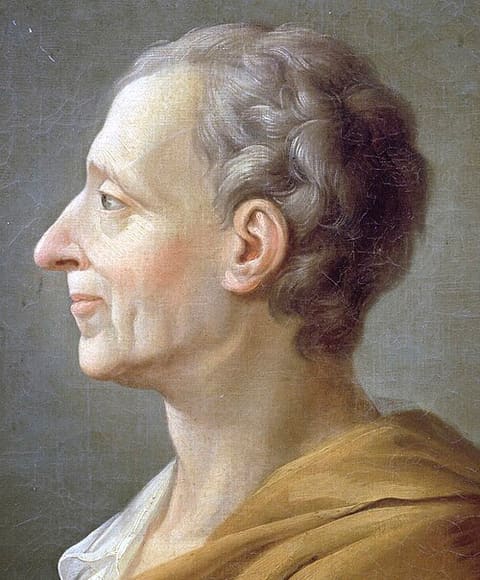
Montesquieu
Compare with…
Portrait of John Locke
Wikimedia Commons / Wikipédia

Political axes

Profile across the 13 axes

  • Structure

    Balanced
    Federal51%
    Unitary49%
  • Representation

    Strong · Democracy
    Democracy76%
    Autocracy24%
  • Power

    Leaning · Liberty
    Security30%
    Liberty70%
  • Immigration

    Leaning · Multiculturalism
    Assimilation41%
    Multiculturalism59%
  • Geopolitics

    Balanced
    Militarist45%
    Pacifist55%
  • Sovereignty

    Balanced
    Sovereigntist44%
    Multilateralist56%
  • Economy

    Leaning · Private
    Public31%
    Private69%
  • Control

    Leaning · Free market
    Planning31%
    Free market69%
  • Trade

    Leaning · Free trade
    Protectionism43%
    Free trade58%
  • Religion

    Leaning · Religious
    Secular43%
    Religious58%
  • Morality

    Leaning · Traditionalist
    Progressive43%
    Traditionalist58%
  • Ecology

    Balanced
    Conservation51%
    Productivism49%
  • Technoscience

    Balanced
    Acceleration53%
    Precaution48%

What sets John Locke apart

Most unusual position

Control

John Locke leans further toward free market than 82% of the 784 personalities in the catalog.

Personality median 61John Locke 31

Of all the axes, Control is where John Locke stands furthest from the rest.

Most common position

Geopolitics

On Geopolitics, John Locke sits practically at the catalog median.

Personality median 45John Locke 45

Here they share common ground with most personalities.

Analytical Summary & Scientific Audit

12-Axis Synthesis & Primary Sources

Verified Methodological Grounding

John Locke maps to the Center spectrum under 12 Axes empirical calibration. Defining measured leanings: Representation: 76% Democracy; Power: 70% Liberty; Economy: 69% Private; Control: 69% Free market.

Thinker, activist or intellectual calibrated from primary published works, philosophical treatises and academic historiography (SEP / OpenAlex).