Home / Countries / Ancient Egypt

Pharaonic monarchyHistorical regime · c. 3100–30 a.C.

Ancient Egypt

A Nile Valley civilization ruled by pharaonic dynasties through periods of unity and fragmentation. Sacred kingship, temples, and agricultural administration structured society; practices and institutions varied over three millennia.

Predominant spectrum
Right
Closest ideology
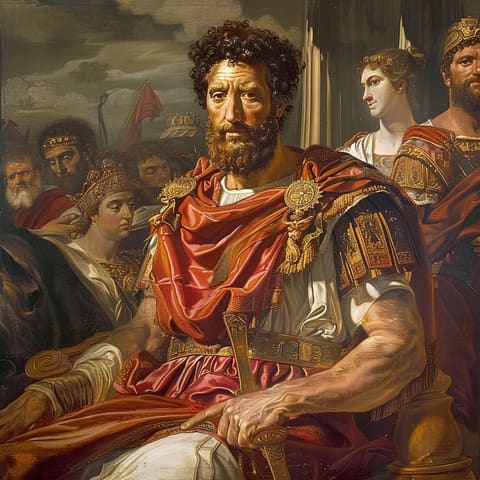
Caesarism
Closest personality
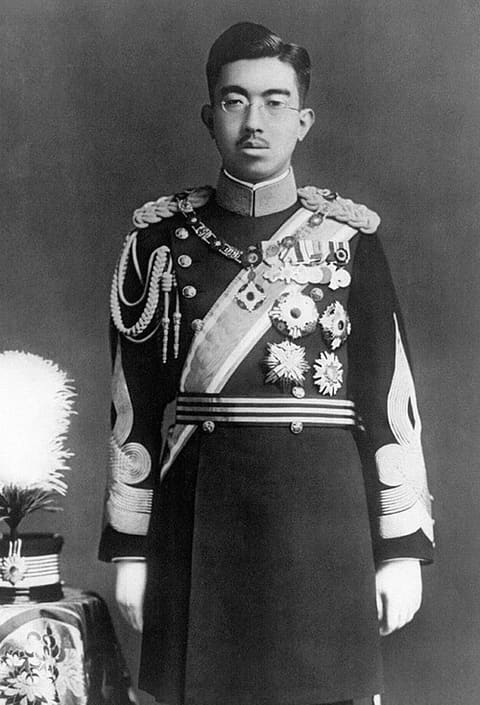
Hirohito
Compare with…
Flag: Ancient Egypt

Political axes

Profile across the 13 axes

  • Structure

    Strong · Unitary
    Federal24%
    Unitary77%
  • Representation

    Very strong · Autocracy
    Democracy9%
    Autocracy91%
  • Power

    Strong · Security
    Security73%
    Liberty27%
  • Immigration

    Leaning · Assimilation
    Assimilation68%
    Multiculturalism32%
  • Geopolitics

    Leaning · Militarist
    Militarist62%
    Pacifist38%
  • Sovereignty

    Leaning · Sovereigntist
    Sovereigntist64%
    Multilateralist36%
  • Economy

    Leaning · Public
    Public61%
    Private39%
  • Control

    Strong · Planning
    Planning74%
    Free market26%
  • Trade

    Balanced
    Protectionism54%
    Free trade46%
  • Religion

    Very strong · Religious
    Secular7%
    Religious93%
  • Morality

    Leaning · Traditionalist
    Progressive28%
    Traditionalist72%
  • Ecology

    Balanced
    Conservation46%
    Productivism54%
  • Technoscience

    Leaning · Precaution
    Acceleration39%
    Precaution61%

What sets Ancient Egypt apart

Most unusual position

Representation

Leans further toward autocracy than 92% of the 320 countries and regimes in the catalog.

Country median 50Ancient Egypt 9

Of all the axes, Representation is where it stands furthest from the rest.

Most common position

Morality

On Morality, it sits practically at the catalog median.

Country median 26Ancient Egypt 28

Here it shares common ground with most countries.

Analytical Summary & Scientific Audit

12-Axis Synthesis & Primary Sources

Verified Methodological Grounding

Ancient Egypt exhibits a predominantly Right institutional profile on comparative datasets. Core measured traits: Religion: 93% Religious; Representation: 91% Autocracy; Structure: 77% Unitary; Control: 74% Planning.

Calibrated from documented institutional, fiscal and military arrangements of the historical era.

Primary sources & scientific datasets