Platonism
Plato's political philosophy, entrusting the city's government to a philosophical elite formed by virtue and knowledge, with strong control over education, property and customs in the name of justice and social harmony.
Compare with…Home / Ideologies / Platonism
Plato's political philosophy, entrusting the city's government to a philosophical elite formed by virtue and knowledge, with strong control over education, property and customs in the name of justice and social harmony.
Compare with…In one sentence
I want a city governed by philosopher-kings, with guardians educated in virtue and strict control over property and customs.
Political axes
Leans further toward autocracy than 93% of the 276 ideologies in the catalog.
Of all the axes, Representation is where it stands furthest from the rest.
On Geopolitics, it sits practically at the catalog median.
Here it shares common ground with most ideologies.
Analytical Summary & Scientific Audit
Platonism belongs to the Right political family across the 12 Axes framework. Core measured positions: Representation: 89% Autocracy; Control: 86% Planning; Trade: 86% Protectionism; Structure: 85% Unitary.
Ideology calibrated from canonical comparative Political Science literature (Heywood, Bobbio, Freeden, MARPOR and CHES).
Primary sources & scientific datasets

A Greek philosopher, Plato criticized Athenian democracy and imagined a city governed by philosophers, with rigid education, moral censorship, and the strong subordination of private interests to the harmony of the political community.
Closest, by dimension

Other compatible profiles



The most distant
Reference country
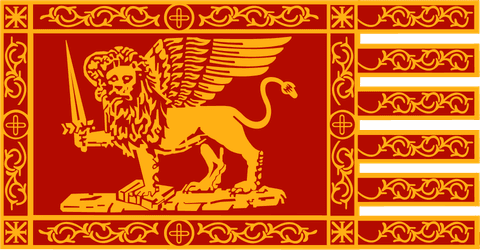
A powerful medieval merchant republic, Venice was governed by a commercial oligarchy that dominated Mediterranean trade, uniting stable institutions, a strong navy, and immense economic power for centuries.
Other close countries
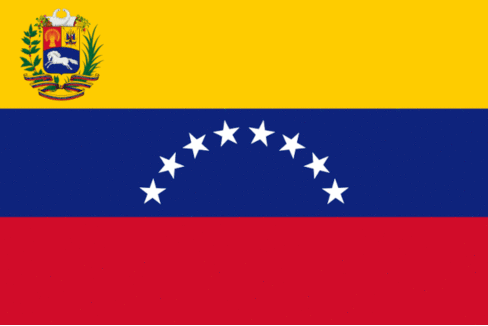
A South American presidential republic, Venezuela lives under an authoritarian regime of socialist and nationalist orientation, marked by concentration of power, a prolonged economic crisis, and heavy emigration of its population.
Also close, by dimension
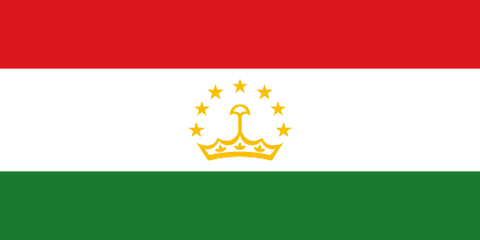
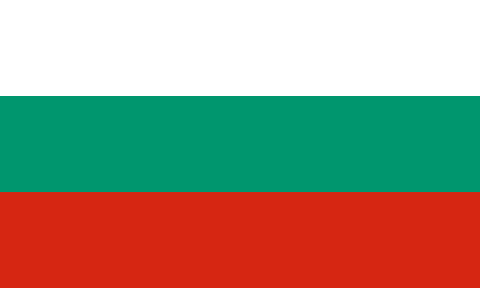
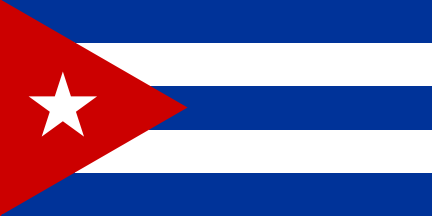
The most distant
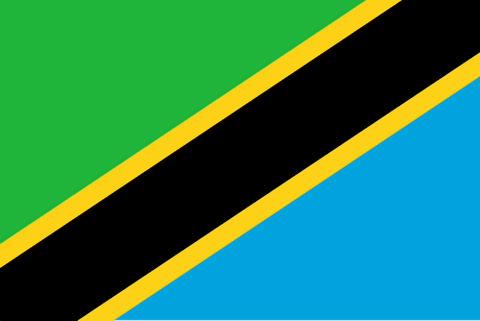
Under Julius Nyerere, Tanzania adopted ujamaa socialism, with a single party, nationalized banks and industries, collective villages, Swahili literacy and a non-aligned foreign policy.
Also close, by dimension

The most distant
Ideological proximity
Closest within Right
Doctrine of rule by the best, which entrusts power to a minority qualified by virtue, education or birth, rejecting political equality and majority rule, which it sees as a risk to competence.
Doctrine that grounds political order in the ruler's virtue, ritual hierarchy and filial piety, favouring bureaucratic merit and moral education over coercive law or popular participation.
Ideology that places the nation as the central value, defending its sovereignty, unity, and identity, and prioritizing the interests of the people and the nation-state over external influences and globalism.
Closest in other spectrums
Current that builds socialism from the countryside, with a single party, collectivization into villages and cooperatives, food self-sufficiency and protection of land and forests, as in Nyerere's Ujamaa.
Current that joins radical ecology, authoritarianism and organic nationalism, defending population control, environmental preservation imposed by the state and the subordination of individual liberties to the survival of the national community.
Revolutionary model that idealizes peasant life and collective rural production, rejecting cities, markets, and private property in favor of an equality imposed by state mobilization and communal discipline.
The most distant ideology
Progressive LibertarianismLibertarian0%