Agrarian Communism
Revolutionary model that idealizes peasant life and collective rural production, rejecting cities, markets, and private property in favor of an equality imposed by state mobilization and communal discipline.
Compare with…Home / Ideologies / Agrarian Communism
Revolutionary model that idealizes peasant life and collective rural production, rejecting cities, markets, and private property in favor of an equality imposed by state mobilization and communal discipline.
Compare with…In one sentence
I want a collectivized peasant life, without cities or markets, with equality imposed by state mobilization and communal discipline.
Political axes
Leans further toward precaution than 98% of the 276 ideologies in the catalog.
Of all the axes, Technoscience is where it stands furthest from the rest.
On Sovereignty, it sits practically at the catalog median.
Here it shares common ground with most ideologies.
Analytical Summary & Scientific Audit
Agrarian Communism belongs to the Radical Left political family across the 12 Axes framework. Core measured positions: Trade: 98% Protectionism; Technoscience: 93% Precaution; Structure: 90% Unitary; Control: 90% Planning.
Historical or radical ideology calibrated from comparative regime historiography and political thought literature (SEP / OpenAlex).
Primary sources & scientific datasets
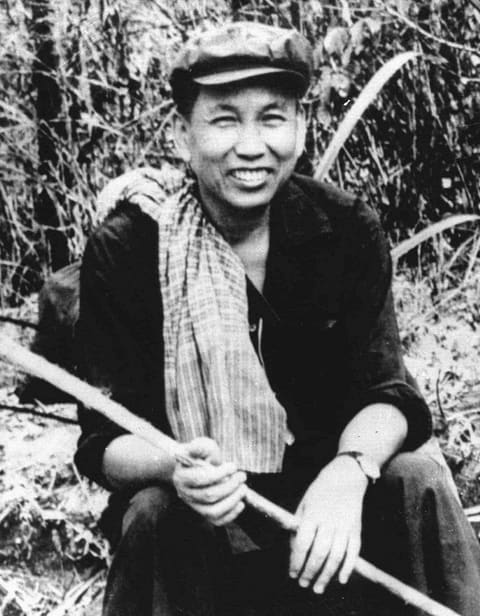
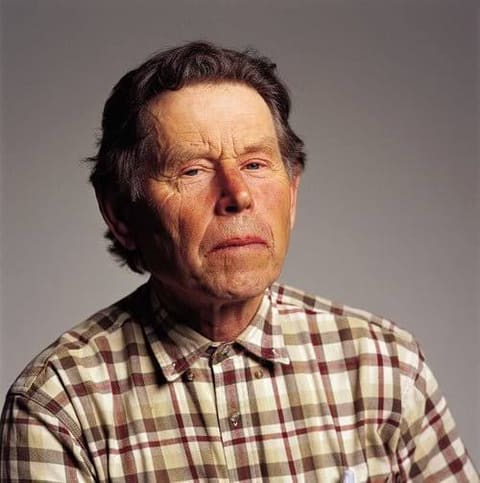
Leader of the Khmer Rouge in Cambodia, Pol Pot imposed radical agrarian communism that emptied the cities and abolished property, causing one of the greatest genocides of the 20th century in the name of a peasant utopia.
Closest, by dimension

Other compatible profiles
The most distant
Reference country
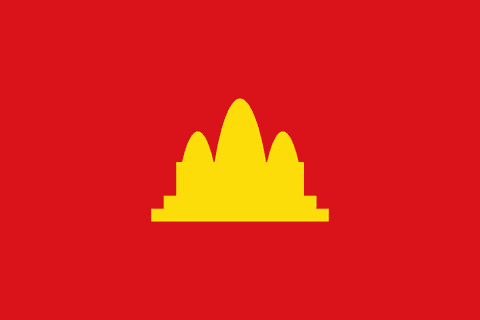
A radical regime led by Pol Pot, the Khmer Rouge imposed extreme agrarian communism, emptied the cities, and abolished money and property, causing one of the greatest genocides of the 20th century in Cambodia.
Other close countries
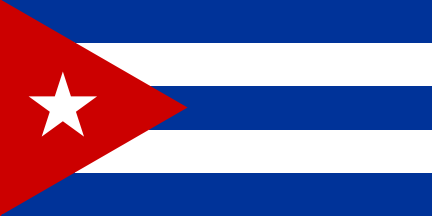
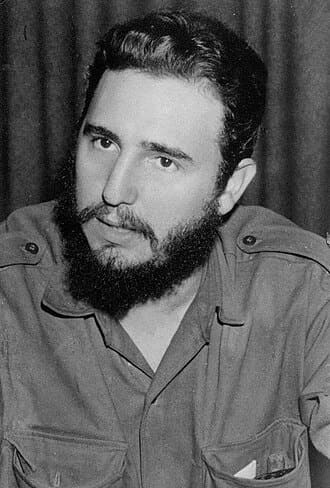
A single-party socialist state in the Caribbean, Cuba maintains a planned economy, strong state control, and universal public services, with power centralized since the revolution led by Fidel Castro in 1959.
Also close, by dimension
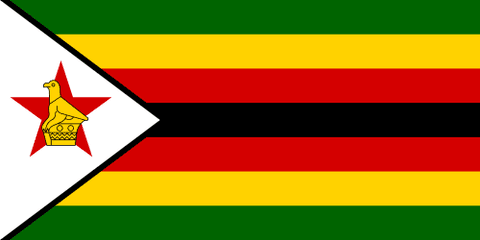
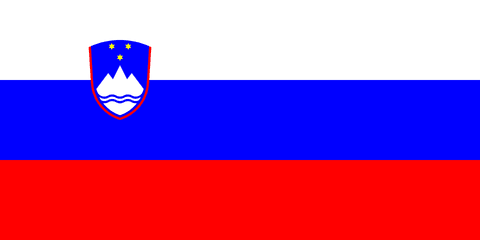
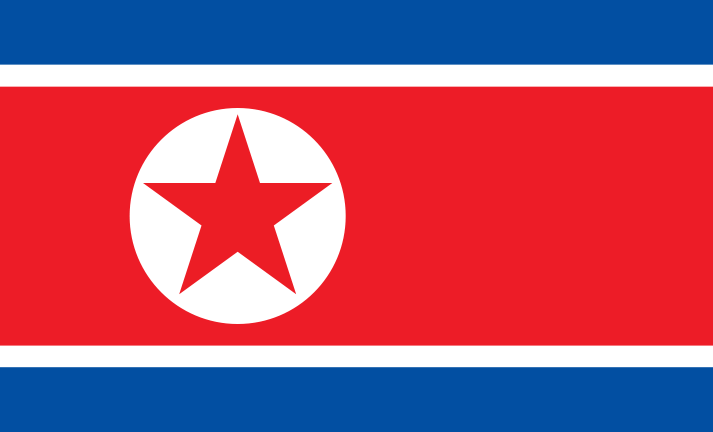
The most distant
A radical regime led by Pol Pot, the Khmer Rouge imposed extreme agrarian communism, emptied the cities, and abolished money and property, causing one of the greatest genocides of the 20th century in Cambodia.
Also close, by dimension
The most distant
Ideological proximity
Closest within Radical Left
Radical agrarian communism of the Khmer Rouge that emptied cities, abolished money and markets, and pursued an egalitarian peasant society by force, causing one of the greatest genocides of the 20th century in Cambodia.
Current that builds socialism from the countryside, with a single party, collectivization into villages and cooperatives, food self-sufficiency and protection of land and forests, as in Nyerere's Ujamaa.
Current that advocates a strong, interventionist state to confront the environmental crisis, subordinating economic and political freedoms to ecological urgency and strict control of consumption and production.
Closest in other spectrums
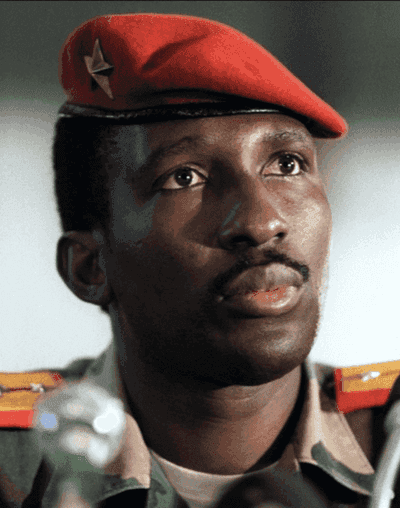
Current of Sankara, Samora Machel, Nkrumah and Nyerere joining pan-Africanism, Black consciousness, anticolonial struggle, agrarian collectivization and self-reliance against neocolonialism and racism.
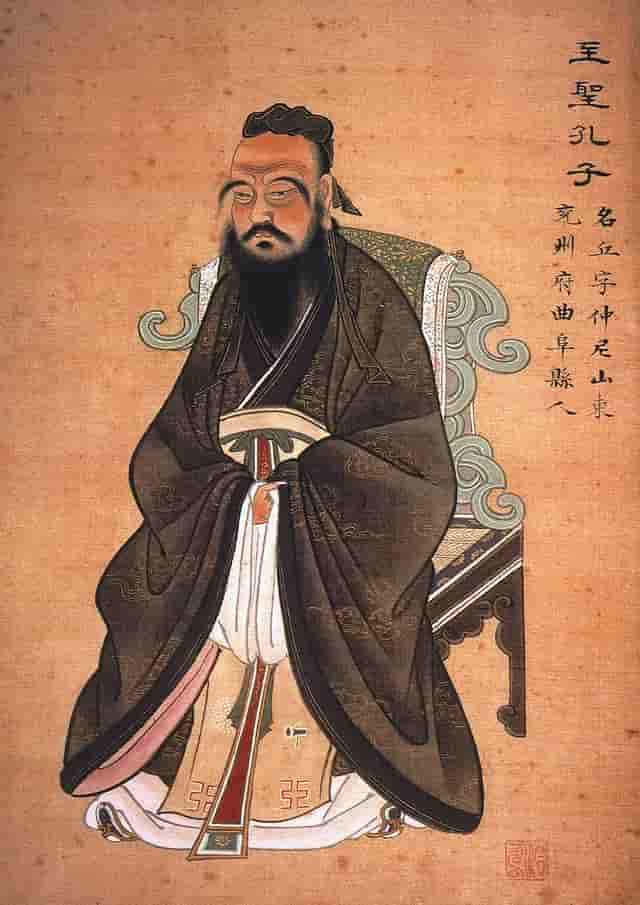
Doctrine that grounds political order in the ruler's virtue, ritual hierarchy and filial piety, favouring bureaucratic merit and moral education over coercive law or popular participation.
Latin American project that combines popular nationalism, anti-imperialism, social redistribution, and strong presidential leadership, using the state and strategic resources to promote sovereignty and popular inclusion.
The most distant ideology
Techno-FeudalismFar-Right0%