African Socialism
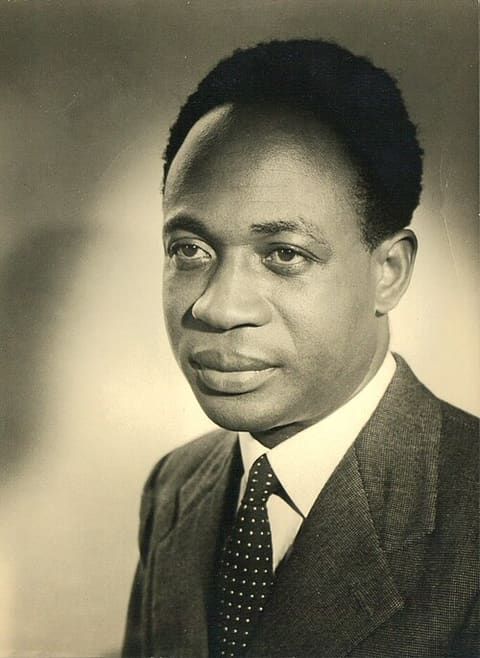
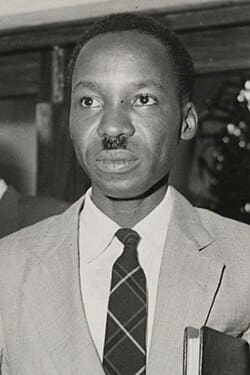
Current of Sankara, Samora Machel, Nkrumah and Nyerere joining pan-Africanism, Black consciousness, anticolonial struggle, agrarian collectivization and self-reliance against neocolonialism and racism.
Compare with…Home / Ideologies / African Socialism
Current of Sankara, Samora Machel, Nkrumah and Nyerere joining pan-Africanism, Black consciousness, anticolonial struggle, agrarian collectivization and self-reliance against neocolonialism and racism.
Compare with…In one sentence
I want African peoples and the diaspora united and sovereign, with collective villages, self-reliant production and a revolutionary party against neocolonialism.
Political axes
Leans further toward public than 90% of the 276 ideologies in the catalog.
Of all the axes, Economy is where it stands furthest from the rest.
On Morality, it sits practically at the catalog median.
Here it shares common ground with most ideologies.
Analytical Summary & Scientific Audit
African Socialism belongs to the Left political family across the 12 Axes framework. Core measured positions: Economy: 90% Public; Control: 90% Planning; Trade: 88% Protectionism; Structure: 78% Unitary.
Ideology calibrated from canonical comparative Political Science literature (Heywood, Bobbio, Freeden, MARPOR and CHES).
Primary sources & scientific datasets
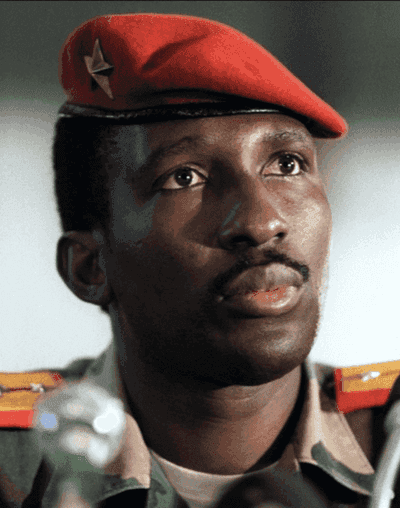
A revolutionary from Burkina Faso, Sankara led a Marxist, pan-Africanist government that promoted self-sufficiency, women's rights, and radical social reforms, becoming an anti-imperialist icon of Africa.
Closest, by dimension

Other compatible profiles

The most distant
Reference country
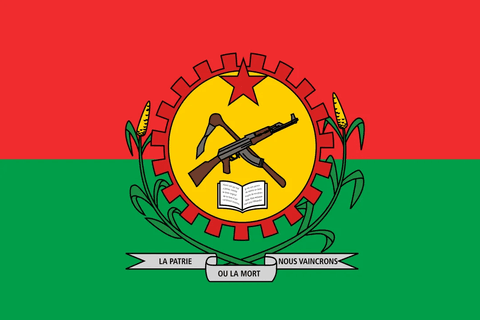
Under Thomas Sankara, Burkina Faso combined food self-sufficiency, mass vaccination and literacy campaigns, women's emancipation, rejection of foreign debt, and a frontal break with French neocolonialism.
Other close countries
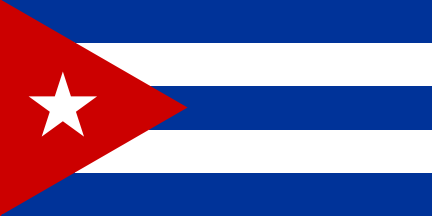
A single-party socialist state in the Caribbean, Cuba maintains a planned economy, strong state control, and universal public services, with power centralized since the revolution led by Fidel Castro in 1959.
Also close, by dimension
The most distant
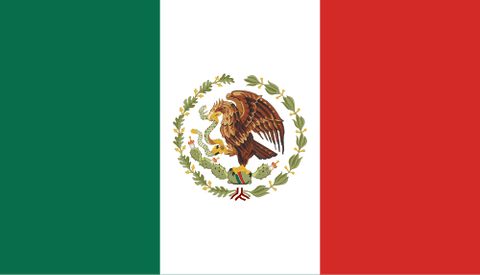
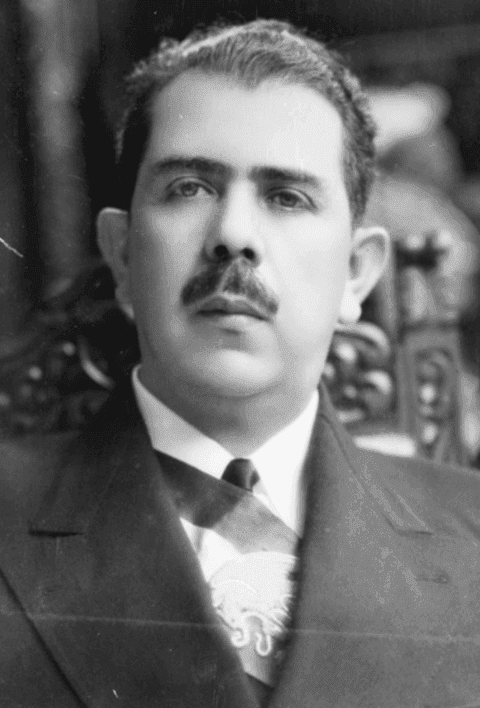
Government of the Cardenista peak, marking the institutionalized Mexican Revolution through oil nationalization, ejido land reform, worker-peasant incorporation, popular secularism, and strong presidential leadership.
Also close, by dimension

The most distant
Ideological proximity
Closest within Left
Socialist current born of national liberation struggles in Africa, Asia, and Latin America, defending economic sovereignty, resource nationalization, non-alignment, and solidarity among peoples of the Global South against imperialism.
Latin American project that combines popular nationalism, anti-imperialism, social redistribution, and strong presidential leadership, using the state and strategic resources to promote sovereignty and popular inclusion.
Current that mobilizes the people against economic elites, defending redistribution, public control, national sovereignty, plebiscitary democracy, and broad social policy in popular anti-establishment language.
Closest in other spectrums
Current that builds socialism from the countryside, with a single party, collectivization into villages and cooperatives, food self-sufficiency and protection of land and forests, as in Nyerere's Ujamaa.
Current that advocates a strong, interventionist state to confront the environmental crisis, subordinating economic and political freedoms to ecological urgency and strict control of consumption and production.
Revolutionary regime of Fidel Castro and Che Guevara, with a single party, a state-run economy, universal health and education, export of armed revolution and the new man ideal against imperialism.
The most distant ideology
Hoppean LibertarianismLibertarian0%