Left-Wing Populism
Current that mobilizes the people against economic elites, defending redistribution, public control, national sovereignty, plebiscitary democracy, and broad social policy in popular anti-establishment language.
Compare with…Home / Ideologies / Left-Wing Populism
Current that mobilizes the people against economic elites, defending redistribution, public control, national sovereignty, plebiscitary democracy, and broad social policy in popular anti-establishment language.
Compare with…In one sentence
I want the people mobilized against economic elites, with popular plebiscites and the state redistributing wealth to those below.
Political axes
Leans further toward progressive than 71% of the 276 ideologies in the catalog.
Of all the axes, Morality is where it stands furthest from the rest.
On Sovereignty, it sits practically at the catalog median.
Here it shares common ground with most ideologies.
Analytical Summary & Scientific Audit
Left-Wing Populism belongs to the Left political family across the 12 Axes framework. Core measured positions: Economy: 72% Public; Control: 72% Planning; Structure: 70% Unitary; Representation: 70% Democracy.
Left-wing populism (Laclau & Mouffe): democratic mobilization against elites backing redistribution, labor rights and public services rather than 90% state ownership (`economia` `90.0 -> 72.0`).
Primary sources & scientific datasets
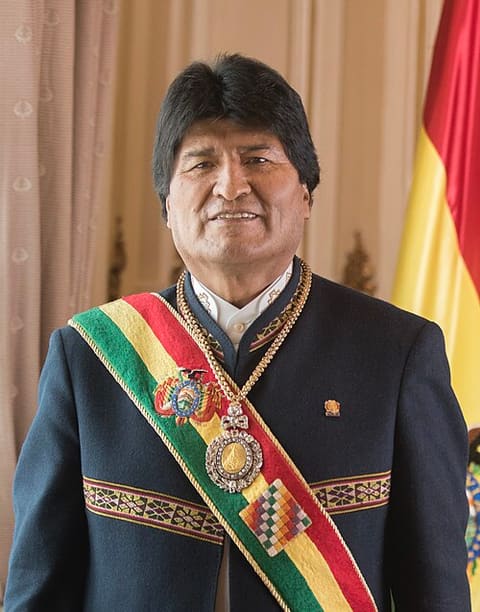
Bolivia's first indigenous president, Evo Morales led indigenism and the plurinational state, nationalizing resources and expanding the rights of native peoples within a left-wing project.
Closest, by dimension


Other compatible profiles



The most distant
Reference country
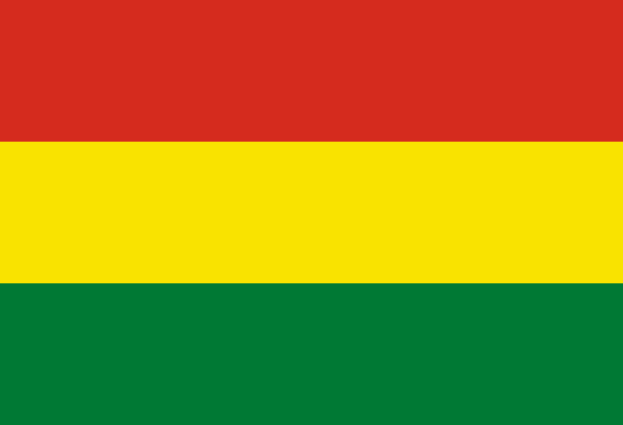
An Andean presidential republic, Bolivia is marked by indigenous leadership, the defense of natural resources, and a plurinational state project that unites economic nationalism and broad popular participation.
Other close countries
Midwestern state with a civic and cooperative tradition, Minnesota combines high taxes, strong public services, unions and high voter turnout with refugee resettlement and an economy of health care, industry and finance.
Also close, by dimension

The most distant
Under Allende's Popular Unity, Chile attempted democratic socialism through copper and bank nationalization, agrarian reform, and economic planning until the 1973 military coup.
Also close, by dimension
The most distant
Ideological proximity
Closest within Left
Branch that seeks concrete social results by negotiating with the market and existing institutions, prioritizing responsible fiscal austerity, targeted social policy, and governability over revolutionary ideological purity.
A 1970s Western European communist current that sought a national path to socialism through elections, party pluralism and civil liberties, independent of Moscow, with a mixed economy under democratic planning.
Model associated with Brazil's Workers' Party governments that seeks growth with social inclusion, combining rising minimum wages, popular credit, cash transfers and public banks without breaking with the market.
Closest in other spectrums
Centrist branch that accepts the market economy but prioritizes social protection, public services, gradual reforms, and institutional consensus to reduce inequality without political rupture or permanent polarization.
Current that links environmental protection to national sovereignty, prioritizing the protection of the country's own natural resources and land and sustainable development within national borders.
Nationalism based on citizenship and shared values rather than ethnicity, defining the nation by adherence to common laws and institutions, open to all who accept its democratic and civic principles.
The most distant ideology
Techno-FeudalismFar-Right33%