Eco-Nationalism
Current that links environmental protection to national sovereignty, prioritizing the protection of the country's own natural resources and land and sustainable development within national borders.
Compare with…Home / Ideologies / Eco-Nationalism
Current that links environmental protection to national sovereignty, prioritizing the protection of the country's own natural resources and land and sustainable development within national borders.
Compare with…In one sentence
I want to protect my nation's natural resources and land, with state planning and economic borders that guarantee sovereignty and sustainability.
Political axes
Leans further toward precaution than 88% of the 276 ideologies in the catalog.
Of all the axes, Technoscience is where it stands furthest from the rest.
On Morality, it sits practically at the catalog median.
Here it shares common ground with most ideologies.
Analytical Summary & Scientific Audit
Eco-Nationalism belongs to the Center political family across the 12 Axes framework. Core measured positions: Control: 76% Planning; Representation: 75% Democracy; Technoscience: 75% Precaution; Trade: 73% Protectionism.
Ideology calibrated from canonical comparative Political Science literature (Heywood, Bobbio, Freeden, MARPOR and CHES).
Primary sources & scientific datasets
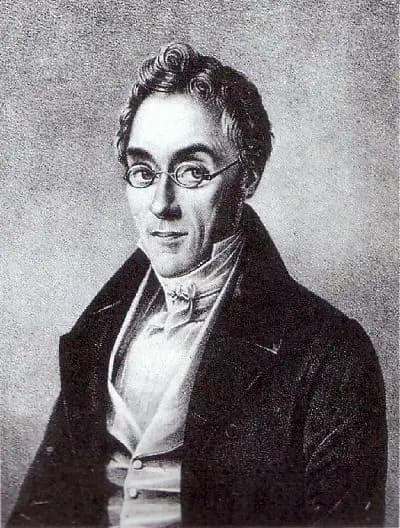
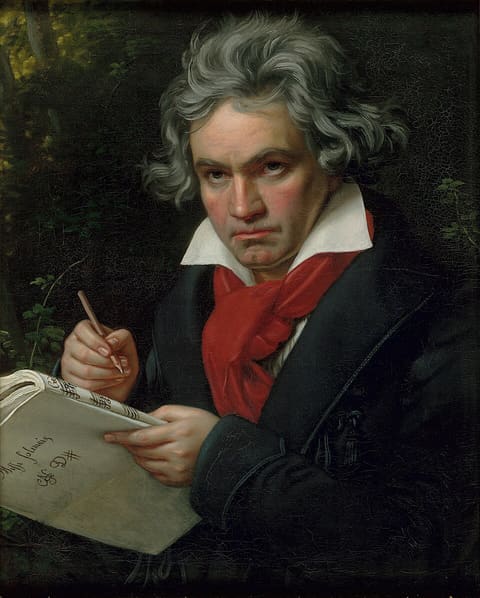
A German economist, List championed economic nationalism and the protection of infant industry, arguing that lagging countries need tariffs and a strong state to develop and catch up with rich nations.
Closest, by dimension
Other compatible profiles



The most distant
Reference country
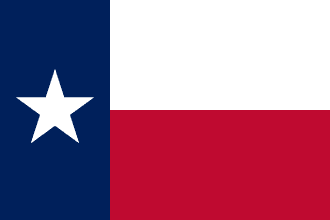
The second-largest US state, Texas stands out for its conservatism, its culture of strong individual freedom, low taxation, and a dynamic market economy tied to energy and industry.
Other close countries
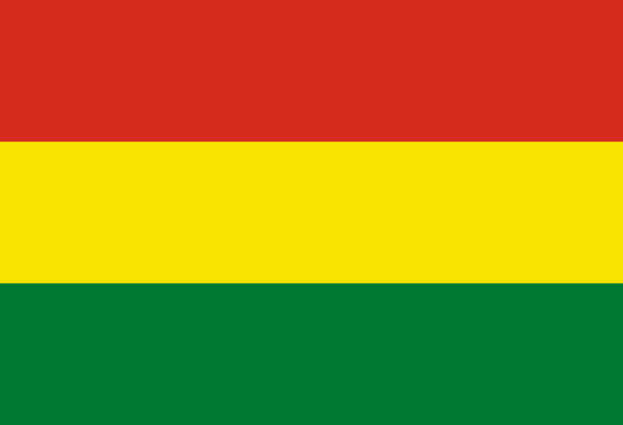
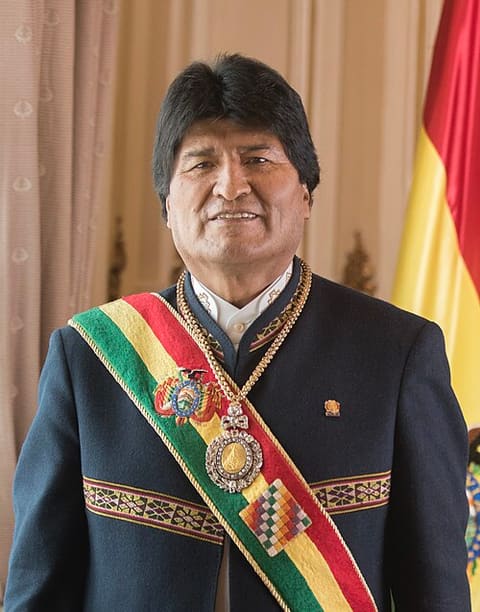
An Andean presidential republic, Bolivia is marked by indigenous leadership, the defense of natural resources, and a plurinational state project that unites economic nationalism and broad popular participation.
Also close, by dimension
The most distant
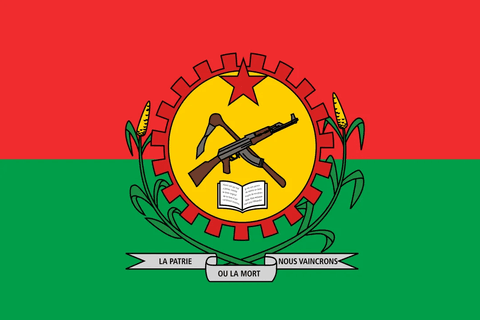
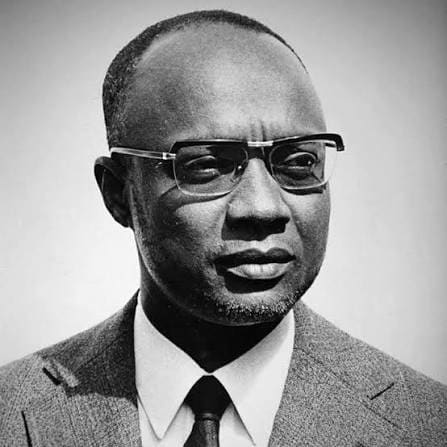
Under Thomas Sankara, Burkina Faso combined food self-sufficiency, mass vaccination and literacy campaigns, women's emancipation, rejection of foreign debt, and a frontal break with French neocolonialism.
Also close, by dimension
The most distant
Ideological proximity
Closest within Center
Current that keeps the welfare state, trade unions and mixed economy, but defends family, nation, public order and restricted immigration, as in Mette Frederiksen's Danish social democracy.
Position that opposes genetic manipulation and the technological enhancement of the human body, defending ethical limits on science in the name of dignity, human nature, and prudence toward the future.
Socrates' dialectical method, examining beliefs through rational questioning and the pursuit of virtue, distrustful of mass politics and the rhetoric of demagogues, yet respectful of the city's rule of law.
Closest in other spectrums
Current that mobilizes the people against economic elites, defending redistribution, public control, national sovereignty, plebiscitary democracy, and broad social policy in popular anti-establishment language.
Current that defends workers' interests within democracy, promoting labor rights, social security, strong unions, and income distribution through reforms and the welfare state.
Conservative tradition that accepts social reforms and protection for the poorest to preserve national cohesion, seeing elites as responsible for the people's welfare and for harmony between classes.
The most distant ideology
Techno-FeudalismFar-Right29%