Bioconservatism
Position that opposes genetic manipulation and the technological enhancement of the human body, defending ethical limits on science in the name of dignity, human nature, and prudence toward the future.
Compare with…Home / Ideologies / Bioconservatism
Position that opposes genetic manipulation and the technological enhancement of the human body, defending ethical limits on science in the name of dignity, human nature, and prudence toward the future.
Compare with…In one sentence
I want a society that draws ethical limits on genetic manipulation and body enhancement, protecting human dignity in the face of science.
Political axes
Leans further toward precaution than 97% of the 276 ideologies in the catalog.
Of all the axes, Technoscience is where it stands furthest from the rest.
On Power, it sits practically at the catalog median.
Here it shares common ground with most ideologies.
Analytical Summary & Scientific Audit
Bioconservatism belongs to the Center political family across the 12 Axes framework. Core measured positions: Technoscience: 90% Precaution; Geopolitics: 78% Pacifist; Morality: 71% Traditionalist; Representation: 71% Democracy.
Ideology calibrated from canonical comparative Political Science literature (Heywood, Bobbio, Freeden, MARPOR and CHES).
Primary sources & scientific datasets

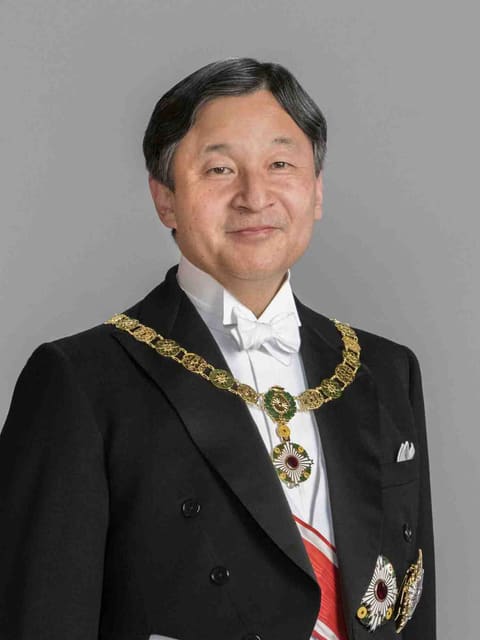
An American bioethicist, Kass is the leading voice of bioconservatism, warning against genetic manipulation and human enhancement in the name of dignity, human nature, and the ethical limits of science.
Closest, by dimension

Other compatible profiles





The most distant
Reference country

An Asian parliamentary monarchy, Japan unites tradition and high technology, with an advanced market economy, an aging society, and stable conservative politics, maintaining constitutional pacifism and strong global economic weight.
Other close countries

An Andean presidential republic, Bolivia is marked by indigenous leadership, the defense of natural resources, and a plurinational state project that unites economic nationalism and broad popular participation.
Also close, by dimension
The most distant
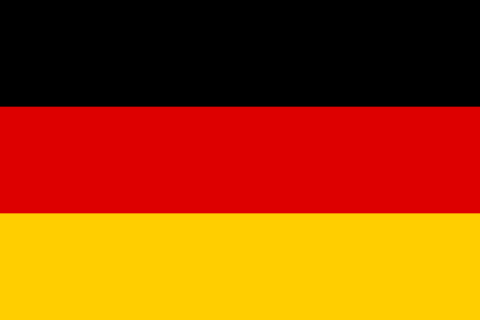
Germany's first democracy, the Weimar Republic united parliamentarism, proportional representation, and intense cultural life, but was undermined by economic crises and political instability that paved the way for Nazism.
Also close, by dimension

The most distant
Ideological proximity
Closest within Center
Branch that unites conservatism and environmental protection, defending the preservation of nature as part of the tradition and heritage to be passed on to future generations, with prudence toward change.
Current that values community bonds, traditions, and the common good above individualism, holding that justice and identity arise from life in community and the responsibilities people share.
Current that links environmental protection to national sovereignty, prioritizing the protection of the country's own natural resources and land and sustainable development within national borders.
Closest in other spectrums
Río de la Plata federalist tradition founded by José Gervasio Artigas in the League of the Free Peoples (1813–1820). It advocates republican confederalism of sovereign provinces against Buenos Aires centralism, civil and religious liberty, tariff protection, and popular land reform.
Conservative tradition that accepts social reforms and protection for the poorest to preserve national cohesion, seeing elites as responsible for the people's welfare and for harmony between classes.
Branch that seeks concrete social results by negotiating with the market and existing institutions, prioritizing responsible fiscal austerity, targeted social policy, and governability over revolutionary ideological purity.
The most distant ideology
Techno-MonarchismFar-Right6%