Communitarianism
Current that values community bonds, traditions, and the common good above individualism, holding that justice and identity arise from life in community and the responsibilities people share.
Compare with…Home / Ideologies / Communitarianism
Current that values community bonds, traditions, and the common good above individualism, holding that justice and identity arise from life in community and the responsibilities people share.
Compare with…In one sentence
I want a society woven from community bonds and shared traditions, with participatory democracy and an economy aimed at the common good.
Political axes
Leans further toward precaution than 87% of the 276 ideologies in the catalog.
Of all the axes, Technoscience is where it stands furthest from the rest.
On Morality, it sits practically at the catalog median.
Here it shares common ground with most ideologies.
Analytical Summary & Scientific Audit
Communitarianism belongs to the Center political family across the 12 Axes framework. Core measured positions: Representation: 84% Democracy; Geopolitics: 74% Pacifist; Technoscience: 73% Precaution; Structure: 65% Federal.
Contemporary philosophical communitarianism (Sandel, Taylor, Etzioni): embeds markets within civic responsibilities and community norms rather than 75% state collectivism (`economia` `75.0 -> 58.0`).
Primary sources & scientific datasets

An American political philosopher, Sandel is one of the leading exponents of communitarianism, criticizing procedural liberalism and holding that justice, virtue, and the common good arise from community bonds.
Closest, by dimension

Other compatible profiles





The most distant
Reference country

An Asian parliamentary monarchy, Japan unites tradition and high technology, with an advanced market economy, an aging society, and stable conservative politics, maintaining constitutional pacifism and strong global economic weight.
Other close countries
A post-Dayton state split between the Croat-Bosniak Federation and the Serb Republika Srpska, Bosnia has a tripartite ethnic presidency, an international high representative, politics stalled by ethnic vetoes and a European Union candidacy.
Also close, by dimension

The most distant
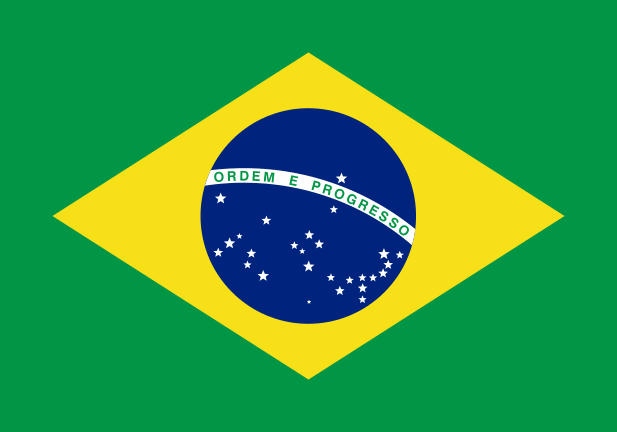
With Fernando Henrique Cardoso at the Finance Ministry and then in the Presidency, Brazil stabilized its currency with the Plano Real, privatized state firms and adopted a Fiscal Responsibility Law, in a democracy that approved presidential re-election.
Also close, by dimension
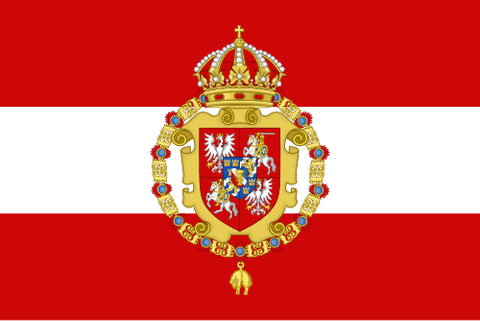

The most distant
Ideological proximity
Closest within Center
Branch that unites conservatism and environmental protection, defending the preservation of nature as part of the tradition and heritage to be passed on to future generations, with prudence toward change.
Position that opposes genetic manipulation and the technological enhancement of the human body, defending ethical limits on science in the name of dignity, human nature, and prudence toward the future.
German liberal school of Freiburg (Eucken, Rüstow, Müller-Armack) that defends the free market within firm rules guaranteed by the state, against monopolies and central planning, with a Christian ethical basis and social policy, the origin of the social market economy.
Closest in other spectrums
Río de la Plata federalist tradition founded by José Gervasio Artigas in the League of the Free Peoples (1813–1820). It advocates republican confederalism of sovereign provinces against Buenos Aires centralism, civil and religious liberty, tariff protection, and popular land reform.
Model associated with Brazil's Workers' Party governments that seeks growth with social inclusion, combining rising minimum wages, popular credit, cash transfers and public banks without breaking with the market.
Current that defends workers' interests within democracy, promoting labor rights, social security, strong unions, and income distribution through reforms and the welfare state.
The most distant ideology
Stalinist SocialismRadical Left29%