Labourism
Current that defends workers' interests within democracy, promoting labor rights, social security, strong unions, and income distribution through reforms and the welfare state.
Compare with…Home / Ideologies / Labourism
Current that defends workers' interests within democracy, promoting labor rights, social security, strong unions, and income distribution through reforms and the welfare state.
Compare with…In one sentence
I want a society where strong unions and the welfare state guarantee labor rights and income distributed through democracy.
Political axes
Leans further toward religious than 68% of the 276 ideologies in the catalog.
Of all the axes, Religion is where it stands furthest from the rest.
On Immigration, it sits practically at the catalog median.
Here it shares common ground with most ideologies.
Analytical Summary & Scientific Audit
Labourism belongs to the Left political family across the 12 Axes framework. Core measured positions: Representation: 80% Democracy; Control: 70% Planning; Trade: 68% Protectionism; Economy: 66% Public.
Brazilian Labor doctrine (Pasqualini, PTB, Goulart, Brizola): social function of property, labor laws and universal schooling within a mixed capitalist framework (`comercio` `77.5 -> 68.0`).
Primary sources & scientific datasets

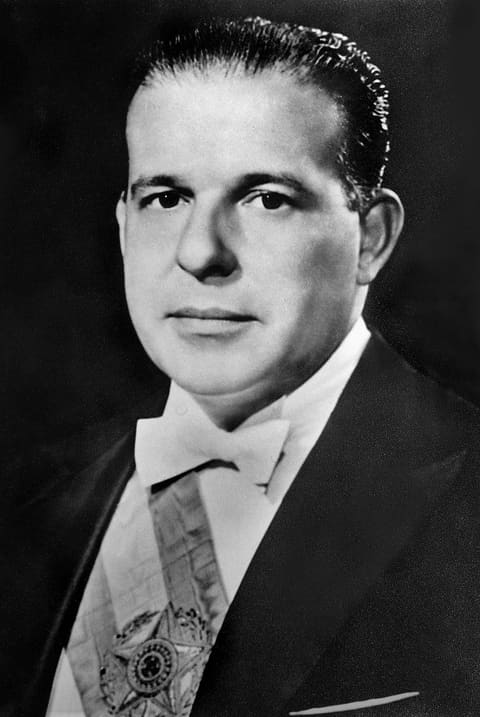
A Brazilian politician, Brizola was one of the great names of labourism, defending nationalism, social reforms, public education, and workers' rights, with strong activity before and after the dictatorship.
Closest, by dimension


Other compatible profiles








The most distant
Reference country
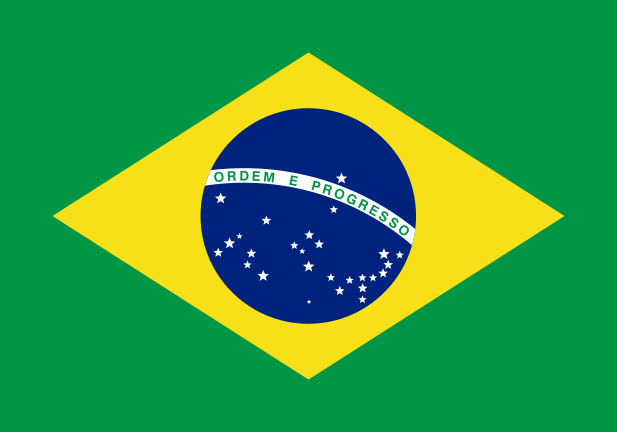
The largest country in Latin America, Brazil is a democratic presidential federal republic with a mixed economy, broad social policies, and strong regional, cultural, and political diversity that shapes its electoral disputes.
Other close countries
The largest country in Latin America, Brazil is a democratic presidential federal republic with a mixed economy, broad social policies, and strong regional, cultural, and political diversity that shapes its electoral disputes.
Also close, by dimension



The most distant
Under Juscelino Kubitschek, Brazil was a developmentalist democracy that, through its Targets Plan, industrialized the country with state planning, infrastructure and foreign capital, built Brasília and accepted inflation and debt in the name of growth.
Also close, by dimension
The most distant
Ideological proximity
Closest within Left
Model associated with Brazil's Workers' Party governments that seeks growth with social inclusion, combining rising minimum wages, popular credit, cash transfers and public banks without breaking with the market.
Current that mobilizes the people against economic elites, defending redistribution, public control, national sovereignty, plebiscitary democracy, and broad social policy in popular anti-establishment language.
Combines national self-determination and popular sovereignty with social equality and left-wing economic policies. Its historical expressions range from anticolonial and socialist to developmentalist movements, without a single economic or institutional program.
Closest in other spectrums
Current that seeks to overcome underdevelopment through accelerated industrialization, state planning, public infrastructure, protection of infant industry and a partnership between the state, national capital and foreign capital, as in Kubitschek's Targets Plan.
Nationalism based on shared language, traditions, and heritage rather than race, which values the people's cultural identity and the integration of those who adopt these values, defending the nation's cohesion.
A republican current inspired by Machiavelli’s Discourses on Livy. It defends civic liberty through laws, popular participation, and regulated conflict among social groups, allowing exceptional measures to preserve the republic.
The most distant ideology
Techno-FeudalismFar-Right37%