Cultural Nationalism
Nationalism based on shared language, traditions, and heritage rather than race, which values the people's cultural identity and the integration of those who adopt these values, defending the nation's cohesion.
Compare with…Home / Ideologies / Cultural Nationalism
Nationalism based on shared language, traditions, and heritage rather than race, which values the people's cultural identity and the integration of those who adopt these values, defending the nation's cohesion.
Compare with…In one sentence
I want a nation united by shared language, traditions and heritage, open to those who adopt our values, with a protected, coordinated economy.
Political axes
Leans further toward traditionalist than 82% of the 276 ideologies in the catalog.
Of all the axes, Morality is where it stands furthest from the rest.
On Economy, it sits practically at the catalog median.
Here it shares common ground with most ideologies.
Analytical Summary & Scientific Audit
Cultural Nationalism belongs to the Right political family across the 12 Axes framework. Core measured positions: Morality: 83% Traditionalist; Representation: 73% Democracy; Structure: 71% Unitary; Power: 69% Security.
Ideology calibrated from canonical comparative Political Science literature (Heywood, Bobbio, Freeden, MARPOR and CHES).
Primary sources & scientific datasets
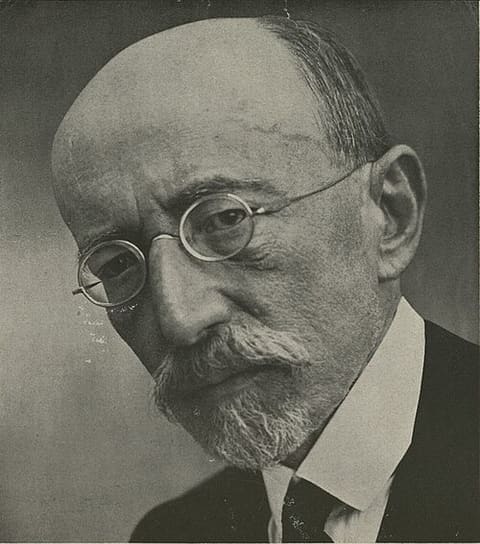
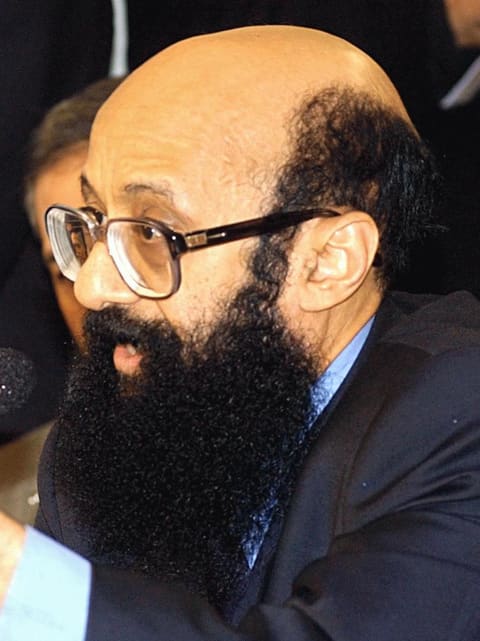
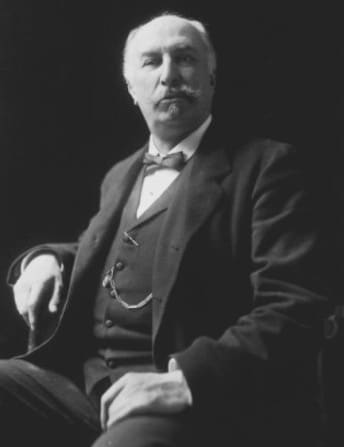
A Zionist thinker, Ahad Ha'am formulated cultural Zionism, proposing that Jewish national renewal should come first through culture, language, and ethics rather than immediate political and territorial sovereignty.
Closest, by dimension

Other compatible profiles

The most distant
Reference country
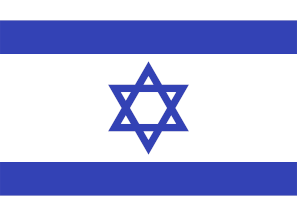
A parliamentary republic in the Middle East, Israel combines a vibrant democracy, a strong Jewish national identity, an advanced technology economy, and a prolonged conflict with the Palestinians that dominates its politics and security.
Other close countries
Africa's most populous country, Nigeria is a federation split between a Muslim north, with sharia in twelve states, and a Christian south, dependent on oil and scarred by Boko Haram, and under Bola Tinubu it cut fuel subsidies.
Also close, by dimension
The most distant
Under Franklin Roosevelt, the United States expanded federal power with Social Security, bank regulation, public works and stronger unions, while keeping capitalism, racial segregation in the South and mobilizing for the Second World War.
Also close, by dimension
The most distant
Ideological proximity
Closest within Right
Current that combines popular sovereignty and democratic institutions with strong cultural nationalism, prioritizing the nation's interests and identity over supranational commitments and multiculturalism.
Conservative tradition that accepts social reforms and protection for the poorest to preserve national cohesion, seeing elites as responsible for the people's welfare and for harmony between classes.
Ideology that places the nation as the central value, defending its sovereignty, unity, and identity, and prioritizing the interests of the people and the nation-state over external influences and globalism.
Closest in other spectrums
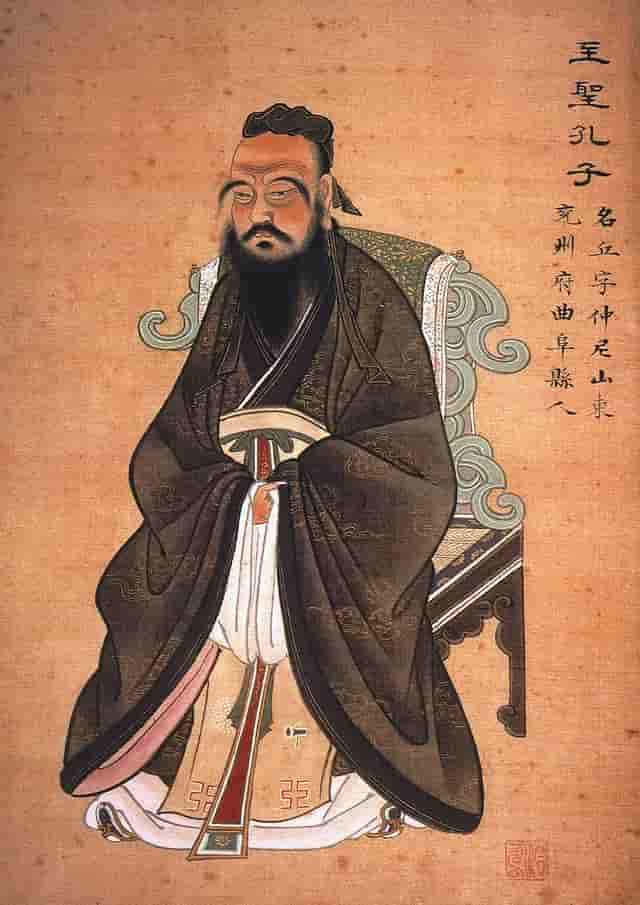
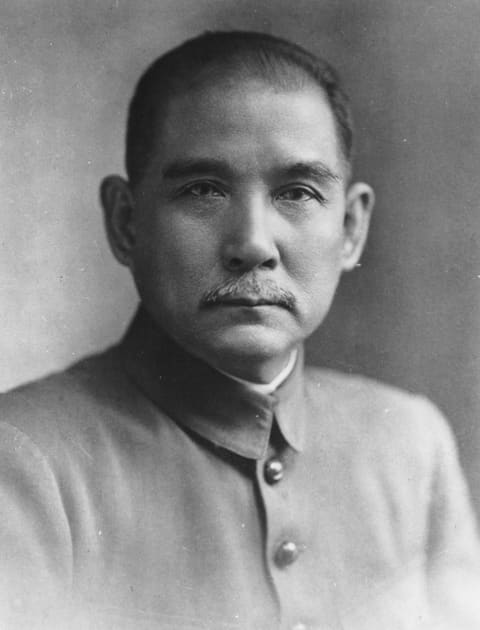
Sun Yat-sen's republican doctrine, articulated in the Three Principles of the People: nationalism, democracy, and the people's livelihood. Its program envisioned transitional political tutelage, popular sovereignty, and social and economic reforms.
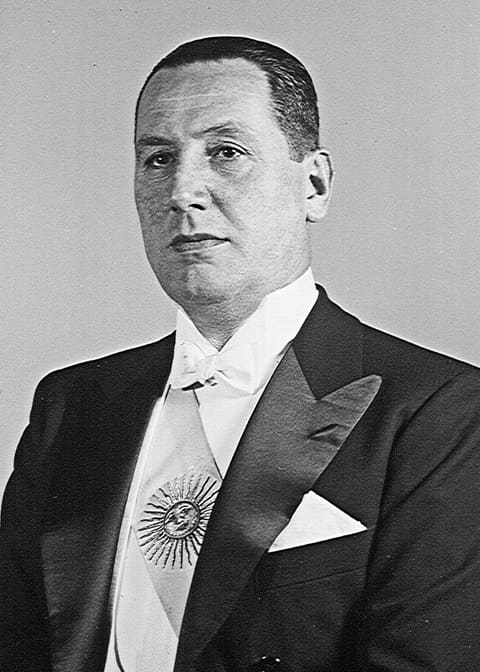
Justicialist doctrine of Juan and Eva Perón uniting political sovereignty, economic independence and social justice, with CGT unions, nationalizations, protected industrialization, social Catholicism and a charismatic leader above parties.
Democratic Party current born with Franklin Roosevelt that joins financial regulation, social security, public works and strong unions with civic patriotism, preserved capitalism and international leadership.
The most distant ideology
Progressive LibertarianismLibertarian31%