Nationalism
Ideology that places the nation as the central value, defending its sovereignty, unity, and identity, and prioritizing the interests of the people and the nation-state over external influences and globalism.
Compare with…Home / Ideologies / Nationalism
Ideology that places the nation as the central value, defending its sovereignty, unity, and identity, and prioritizing the interests of the people and the nation-state over external influences and globalism.
Compare with…In one sentence
I want a society assimilated into national identity, with strong order and an economy protected from abroad in the name of the people's sovereignty.
Political axes
Leans further toward assimilation than 78% of the 276 ideologies in the catalog.
Of all the axes, Immigration is where it stands furthest from the rest.
On Control, it sits practically at the catalog median.
Here it shares common ground with most ideologies.
Analytical Summary & Scientific Audit
Nationalism belongs to the Right political family across the 12 Axes framework. Core measured positions: Trade: 78% Protectionism; Structure: 76% Unitary; Immigration: 75% Assimilation; Sovereignty: 72% Sovereigntist.
Brazilian ideological tradition referenced against FGV CPDOC historical dictionaries and IBRE/EESP economic studies.
Primary sources & scientific datasets
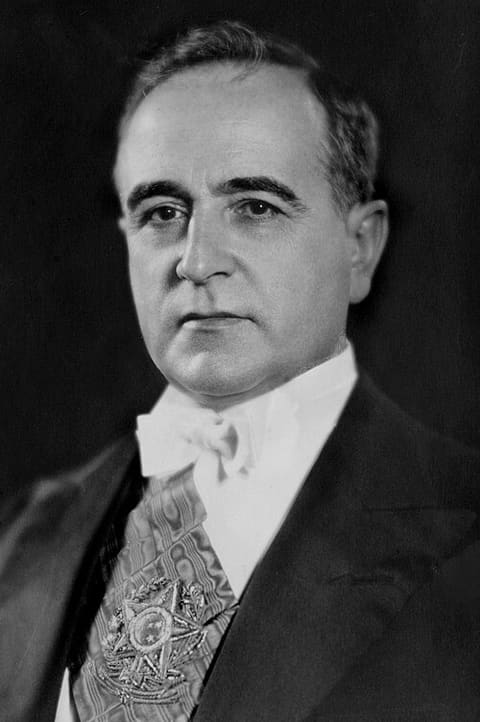
A Brazilian statesman, Vargas shaped modern Brazil with developmentalist nationalism, state-directed industrialization, and labor legislation, founding Brazilian labourism and marking decades of national politics.
Closest, by dimension


Other compatible profiles


The most distant
Reference country
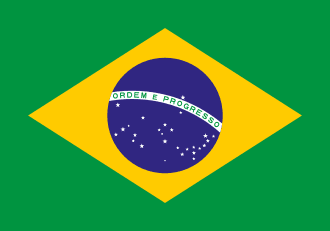
Under Vargas, Brazil experienced a nationalist, developmentalist regime that promoted state-directed industrialization, labor legislation, and the centralization of power, laying the foundations of Brazilian labourism.
Other close countries
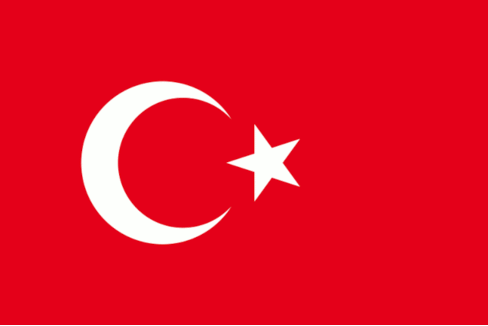
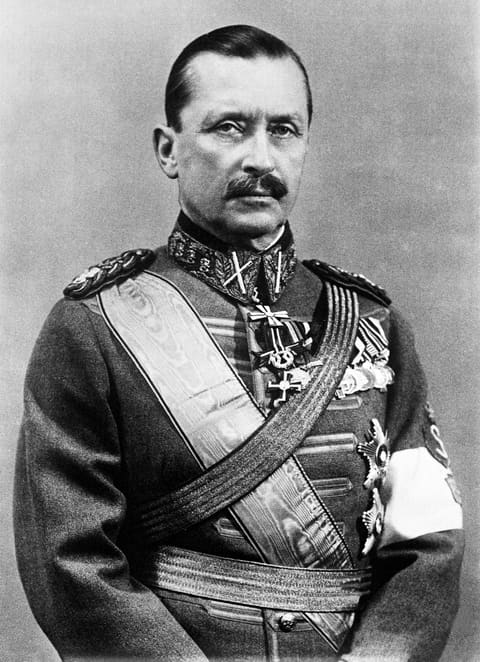
A presidential republic between Europe and Asia, Turkey combines electoral democracy with strong concentration of power, nationalism, religious conservatism, and an assertive foreign policy in the Middle East and the Mediterranean.
Also close, by dimension
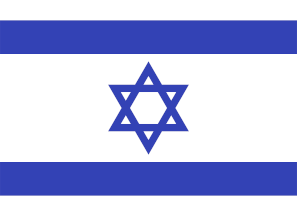
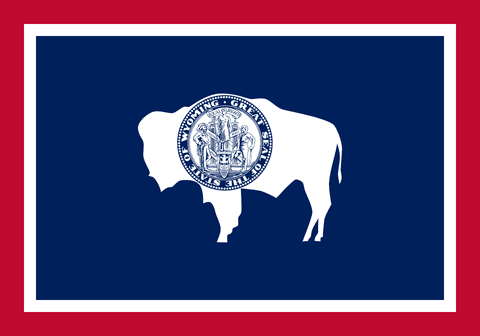

The most distant
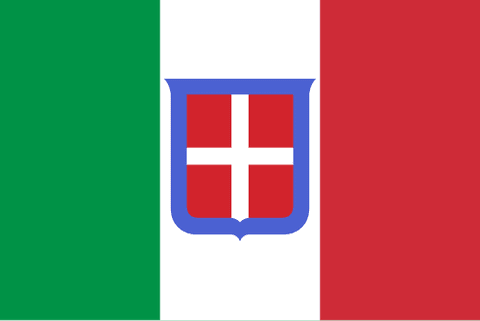
Italian state unified by the House of Savoy under the Albertine Statute, characterized by administrative centralization, liberal politics, and Mediterranean ambitions.
Also close, by dimension

The most distant
Ideological proximity
Closest within Right
Current that combines popular sovereignty and democratic institutions with strong cultural nationalism, prioritizing the nation's interests and identity over supranational commitments and multiculturalism.
Doctrine combining free enterprise and competition in the domestic market with an external tariff wall, subsidies for infant industry, a national bank, public infrastructure and trade surplus as a source of national power.
Current that mobilizes the people against political and cultural elites, combining nationalism, immigration restriction, traditional values, public religion, strong security, and anti-establishment economic pragmatism around personalist leaders.
Closest in other spectrums
Justicialist doctrine of Juan and Eva Perón uniting political sovereignty, economic independence and social justice, with CGT unions, nationalizations, protected industrialization, social Catholicism and a charismatic leader above parties.
Model that organizes society into corporations of workers and employers integrated into the state, seeking harmony between classes and directed economic cooperation instead of conflict or free competition.
Regime centered on the armed forces as the core of political power, governing by junta or military hierarchy, with centralization, discipline, a high value on order and expansionism, and civilian politics subordinate to military command.
The most distant ideology
Anarcho-PacifismAnarchist26%