Anarcho-Pacifism
Anarchist branch that rejects the state and all violence, defending social transformation through nonviolent means, civil disobedience, and voluntary cooperation as the path to a free and just society.
Compare with…Home / Ideologies / Anarcho-Pacifism
Anarchist branch that rejects the state and all violence, defending social transformation through nonviolent means, civil disobedience, and voluntary cooperation as the path to a free and just society.
Compare with…In one sentence
I want a society without state or violence, built through civil disobedience and voluntary cooperation among free people.
Political axes
Leans further toward federal than 99% of the 276 ideologies in the catalog.
Of all the axes, Structure is where it stands furthest from the rest.
On Control, it sits practically at the catalog median.
Here it shares common ground with most ideologies.
Analytical Summary & Scientific Audit
Anarcho-Pacifism belongs to the Anarchist political family across the 12 Axes framework. Core measured positions: Structure: 100% Federal; Geopolitics: 98% Pacifist; Immigration: 93% Multiculturalism; Power: 90% Liberty.
Political current calibrated from primary treatises in political philosophy and history of economic thought (SEP / HET).
Primary sources & scientific datasets
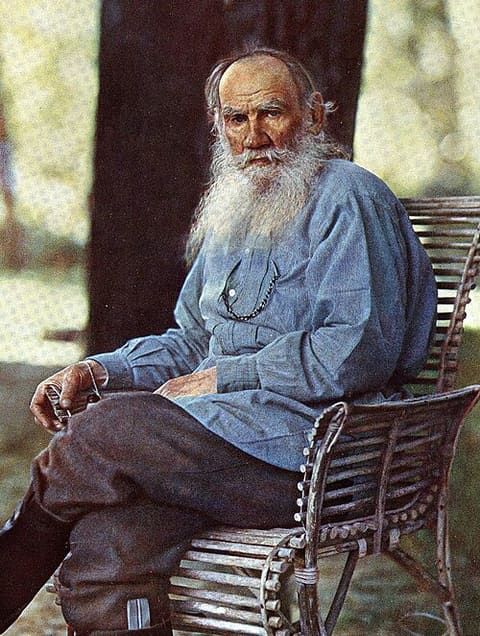
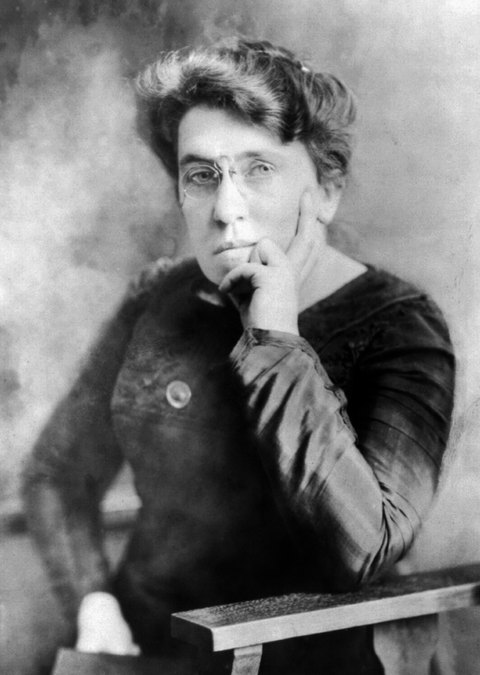
A Russian writer, Tolstoy united his literary work with pacifist Christian anarchism, preaching nonviolence, simplicity, and refusal of the state in ways that influenced Gandhi and later movements.
Closest, by dimension

Other compatible profiles

The most distant
Reference country

A presidential republic in Central America, Costa Rica stands out for abolishing its armed forces, its consolidated democracy, its environmental commitment, and a tradition of political stability and peace in the region.
Other close countries

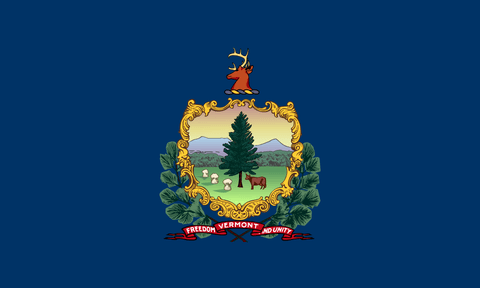
West Coast state, Oregon combines voting by mail, citizen initiatives, environmentalism and one of the least religious populations in the country, with liberal laws on drugs and assisted dying and an economy of forestry, technology and wine.
Also close, by dimension


The most distant
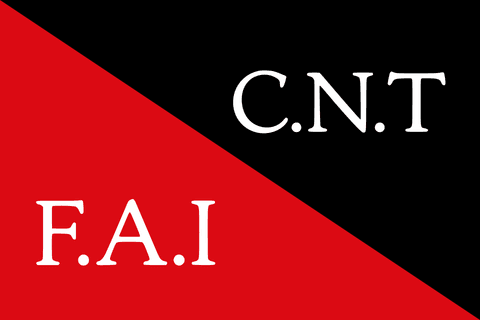
During the Spanish Revolution, regions of Aragon and Catalonia lived an anarchist experiment of collectivizing land and factories, with workers' self-management and social organization without a central state.
Also close, by dimension



The most distant
Ideological proximity
Closest within Anarchist
Current that sees revolutionary unions as the basis for overthrowing capitalism through direct action and the general strike, organizing production by the workers themselves in a free, stateless society.
Synthesis of anarchism and Georgism that rejects the state but treats land and natural resources as commons, defending that their rent be shared by the whole community in a free and egalitarian way.
Current that pursues socialism without an authoritarian state, uniting collective ownership and self-management with broad individual freedom, organized from the bottom up by free communities and workers.
Closest in other spectrums
A plural critique of universalism, linear progress, and grand narratives. In a Foucauldian reading, genealogy and power/knowledge analysis show how institutions, norms, and discourses produce subjects and open possibilities for local resistance.
Movement that places unions and workers' organization at the center of politics, defending collective bargaining, direct action, and labor control over production as the path to working-class emancipation.
Current that values indigenous peoples and their rights, defending autonomy, territory, culture, and political participation, along with development models and a plurinational state that respect their traditions.
The most distant ideology
Techno-FascismThird Position0%