Indigenism
Current that values indigenous peoples and their rights, defending autonomy, territory, culture, and political participation, along with development models and a plurinational state that respect their traditions.
Compare with…Home / Ideologies / Indigenism
Current that values indigenous peoples and their rights, defending autonomy, territory, culture, and political participation, along with development models and a plurinational state that respect their traditions.
Compare with…In one sentence
I want a plurinational society that respects the territory, autonomy and traditions of indigenous peoples, with their full political participation.
Political axes
Leans further toward progressive than 91% of the 276 ideologies in the catalog.
Of all the axes, Morality is where it stands furthest from the rest.
On Trade, it sits close to the catalog median.
Here it shares common ground with most ideologies.
Analytical Summary & Scientific Audit
Indigenism belongs to the Left political family across the 12 Axes framework. Core measured positions: Representation: 90% Democracy; Geopolitics: 87% Pacifist; Economy: 84% Public; Morality: 84% Progressive.
Ideology calibrated from canonical comparative Political Science literature (Heywood, Bobbio, Freeden, MARPOR and CHES).
Primary sources & scientific datasets
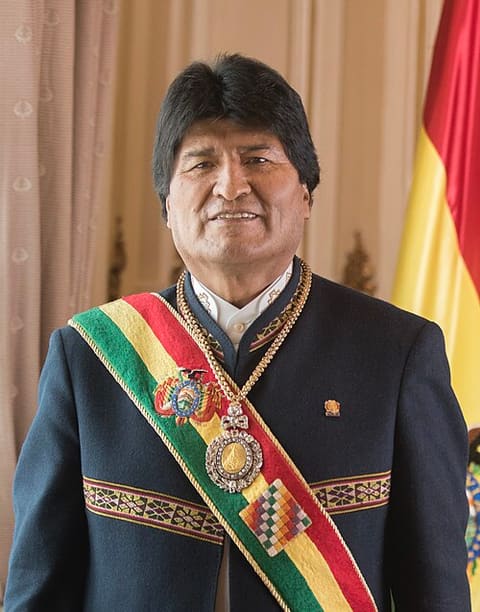
Bolivia's first indigenous president, Evo Morales led indigenism and the plurinational state, nationalizing resources and expanding the rights of native peoples within a left-wing project.
Closest, by dimension
Other compatible profiles



The most distant
Reference country
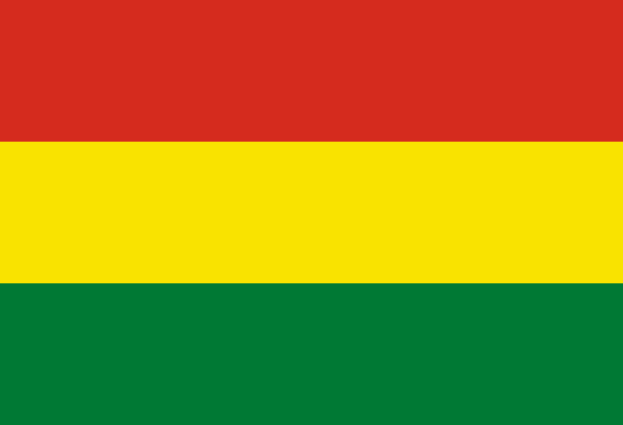
An Andean presidential republic, Bolivia is marked by indigenous leadership, the defense of natural resources, and a plurinational state project that unites economic nationalism and broad popular participation.
Other close countries
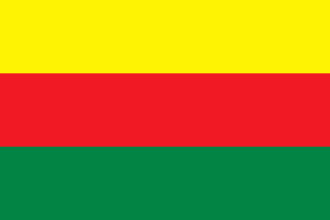
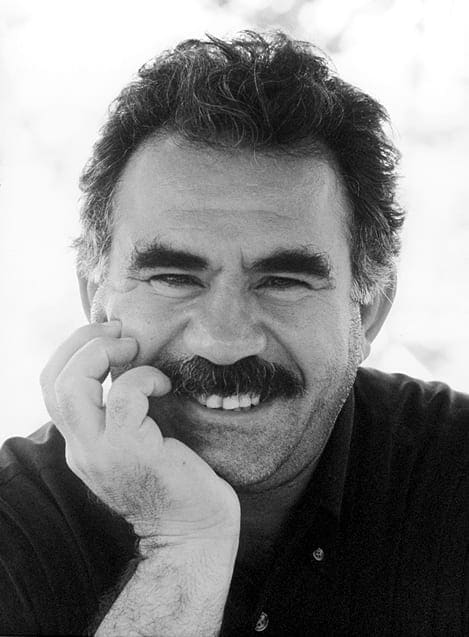
An autonomous region in northern Syria, Rojava organizes itself through democratic confederalism, with local self-management, gender equality, ethnic pluralism, and ecology, inspired by the libertarian ideas of Abdullah Öcalan.
Also close, by dimension
The most distant
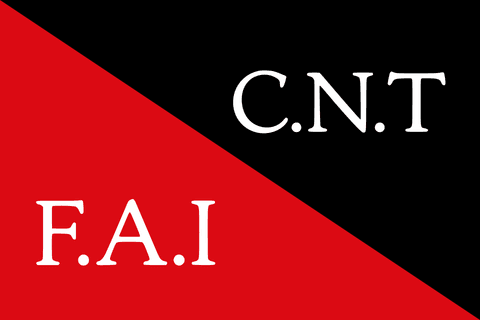
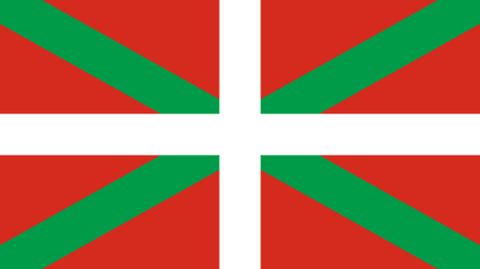
During the Spanish Revolution, regions of Aragon and Catalonia lived an anarchist experiment of collectivizing land and factories, with workers' self-management and social organization without a central state.
Also close, by dimension


The most distant
Ideological proximity
Closest within Left
Current that attributes intrinsic value to all life and not only to human beings, defending a profound change of values, the reduction of human impact, and respect for the balance of the planet's ecosystems.
Current that fuses socialism and ecology, attributing the environmental crisis to capitalism and defending collective, sustainable, and democratic production that respects the limits of nature and social needs.
Movement that places unions and workers' organization at the center of politics, defending collective bargaining, direct action, and labor control over production as the path to working-class emancipation.
Closest in other spectrums
Neo-Zapatista movement that emerged in 1994 in southern Mexico, combining indigenous autonomy, direct democracy through assemblies and caracoles, cooperative subsistence economy, and refusal to seize state power, summed up as 'lead by obeying'.
Current that unites anarchism and radical ecology, defending decentralized, sustainable communities without a state or exploitation of nature, in harmony with ecological cycles and non-human life.
Model created by Murray Bookchin based on autonomous municipalities and federated popular assemblies, with a community economy and direct democracy, seeking to replace the state with a free confederation.
The most distant ideology
National SocialismThird Position1%