Mercantilism
Doctrine combining free enterprise and competition in the domestic market with an external tariff wall, subsidies for infant industry, a national bank, public infrastructure and trade surplus as a source of national power.
Compare with…Home / Ideologies / Mercantilism
Doctrine combining free enterprise and competition in the domestic market with an external tariff wall, subsidies for infant industry, a national bank, public infrastructure and trade surplus as a source of national power.
Compare with…In one sentence
I want free competition at home protected by an external tariff wall, with a national bank and subsidies for infant industry generating a surplus.
Political axes
Leans further toward militarist than 84% of the 276 ideologies in the catalog.
Of all the axes, Geopolitics is where it stands furthest from the rest.
On Religion, it sits practically at the catalog median.
Here it shares common ground with most ideologies.
Analytical Summary & Scientific Audit
Mercantilism belongs to the Right political family across the 12 Axes framework. Core measured positions: Trade: 79% Protectionism; Sovereignty: 77% Sovereigntist; Structure: 76% Unitary; Geopolitics: 75% Militarist.
Ideology calibrated from canonical comparative Political Science literature (Heywood, Bobbio, Freeden, MARPOR and CHES).
Primary sources & scientific datasets
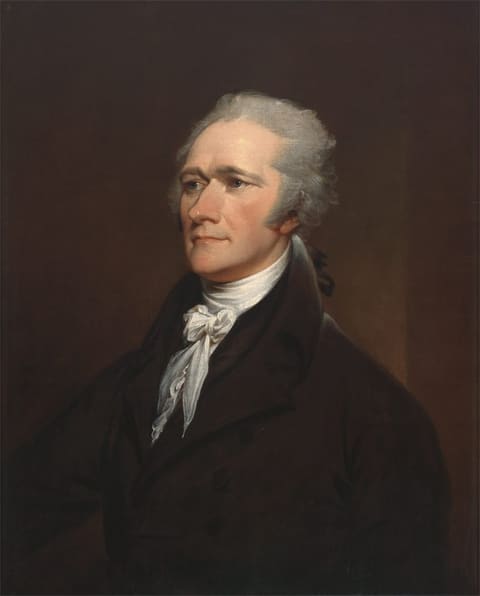
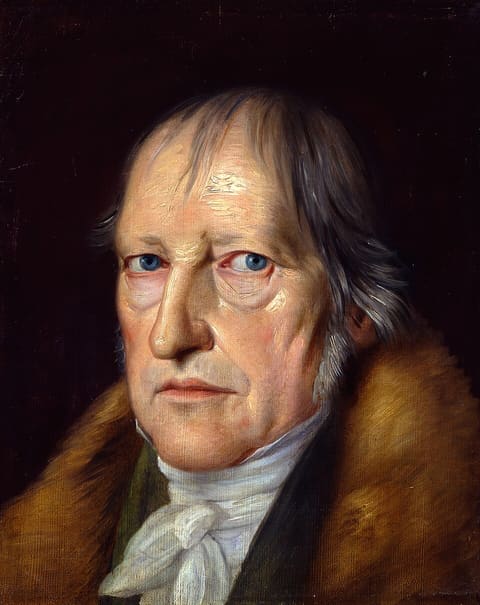
A founder of the United States, Hamilton championed strong federal government, robust public finances, a national bank, and industrialization, combining constitutional republicanism with modernizing economic nationalism.
Closest, by dimension

Other compatible profiles





The most distant
Reference country
A global power and presidential federal republic, the United States combines a strong liberal tradition, a dynamic market economy, technological innovation, and a two-party system that polarizes national political life.
Other close countries
A presidential republic between Europe and Asia, Turkey combines electoral democracy with strong concentration of power, nationalism, religious conservatism, and an assertive foreign policy in the Middle East and the Mediterranean.
Also close, by dimension


The most distant
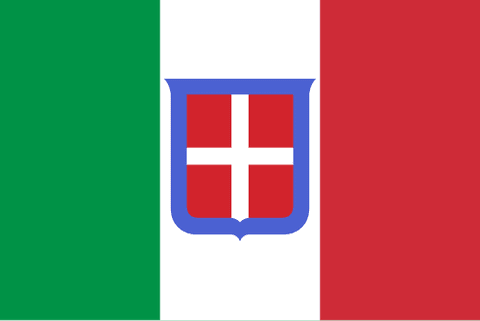
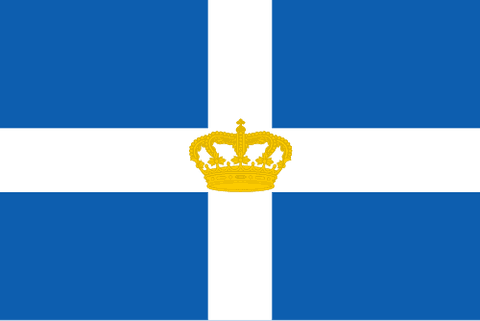
Italian state unified by the House of Savoy under the Albertine Statute, characterized by administrative centralization, liberal politics, and Mediterranean ambitions.
Also close, by dimension
The most distant
Ideological proximity
Closest within Right
Ideology that places the nation as the central value, defending its sovereignty, unity, and identity, and prioritizing the interests of the people and the nation-state over external influences and globalism.
Thoroughly secular conservatism that rejects faith and clergy while defending hierarchy, family, authority, nation and inherited customs as civilizational goods, treating traditional morality as a social necessity rather than a divine commandment.
Prioritizes national sovereignty, identity, and cohesion, associating them with right-wing positions such as social hierarchy, cultural conservatism, or immigration restriction. Currents vary in their views of the state and economy, from free markets to national protectionism.
Closest in other spectrums
Caesarist current that legitimises a charismatic leader by plebiscite above parties, combining personal authority, bureaucratic centralisation, military mobilisation and state-led modernising reforms.
Doctrine that defends the territorial, military and economic expansion of a nation over other peoples and territories, keeping colonies and spheres of influence tied to the interests of the metropole through military and political power.
Regime centered on the armed forces as the core of political power, governing by junta or military hierarchy, with centralization, discipline, a high value on order and expansionism, and civilian politics subordinate to military command.
The most distant ideology
Anarcho-PacifismAnarchist24%