Bonapartism
Caesarist current that legitimises a charismatic leader by plebiscite above parties, combining personal authority, bureaucratic centralisation, military mobilisation and state-led modernising reforms.
Compare with…Home / Ideologies / Bonapartism
Caesarist current that legitimises a charismatic leader by plebiscite above parties, combining personal authority, bureaucratic centralisation, military mobilisation and state-led modernising reforms.
Compare with…In one sentence
I want a nation mobilised by a plebiscitary leader above parties, modernising the state and directing strategic sectors with authority.
Political axes
Leans further toward autocracy than 80% of the 276 ideologies in the catalog.
Of all the axes, Representation is where it stands furthest from the rest.
On Immigration, it sits close to the catalog median.
Here it shares common ground with most ideologies.
Analytical Summary & Scientific Audit
Bonapartism belongs to the Far-Right political family across the 12 Axes framework. Core measured positions: Structure: 86% Unitary; Geopolitics: 81% Militarist; Power: 79% Security; Representation: 77% Autocracy.
Historical or radical ideology calibrated from comparative regime historiography and political thought literature (SEP / OpenAlex).
Primary sources & scientific datasets
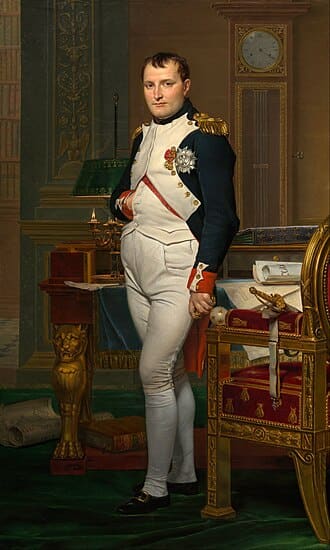
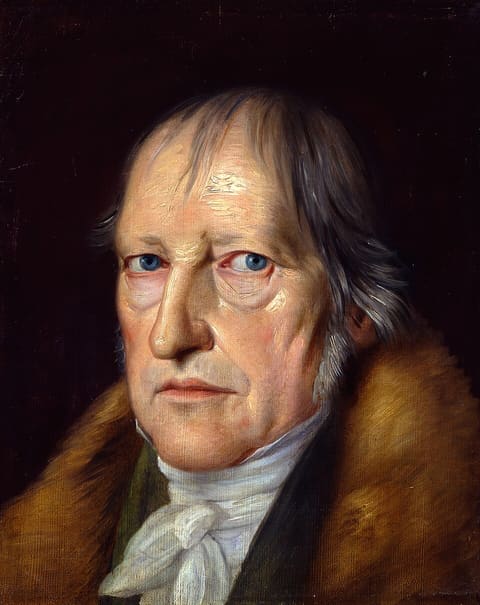
A French general and emperor, Napoleon consolidated the Revolution's administrative and legal reforms while concentrating personal power, expanding France militarily and shaping European modernizing authoritarianism.
Closest, by dimension


Other compatible profiles
The most distant
Reference country
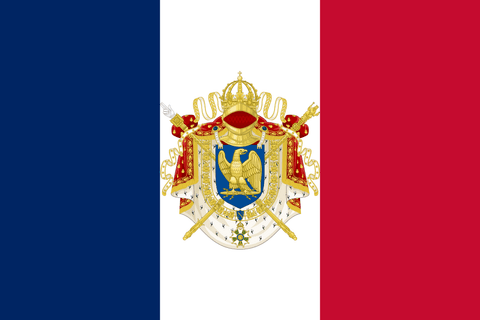
Under Napoleon Bonaparte, the First French Empire concentrated absolute power in the emperor, imposed the Civil Code and a centralized administration across conquered Europe, and sustained its territorial expansion through continuous warfare and a mass-conscription army.
Other close countries
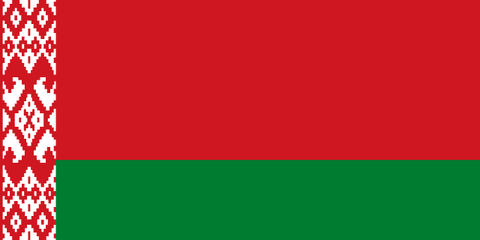
A post-Soviet presidential republic, Belarus is ruled by an authoritarian, personalist regime, with strong state control of the economy, repression of the opposition, and a close political alliance with Russia.
Also close, by dimension

The most distant
During the Meiji Era, Japan underwent rapid modernization directed by the emperor, who abolished feudalism, industrialized the country, and created modern institutions, uniting tradition, nationalism, and military ascent.
Also close, by dimension
The most distant
Ideological proximity
Closest within Far-Right
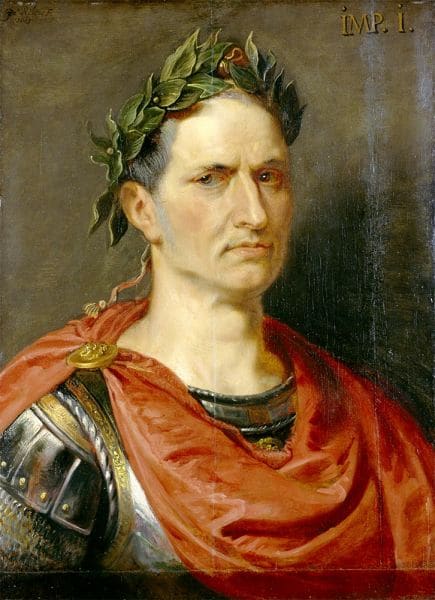
Doctrine that defends the territorial, military and economic expansion of a nation over other peoples and territories, keeping colonies and spheres of influence tied to the interests of the metropole through military and political power.
Regime centered on the armed forces as the core of political power, governing by junta or military hierarchy, with centralization, discipline, a high value on order and expansionism, and civilian politics subordinate to military command.
System that unites free enterprise with strong protectionism and state direction, prioritizing industry, jobs, and national sovereignty over global free trade and unchecked foreign capital.
Closest in other spectrums
Autocratic, militarized imperial order that expands territory by conquest yet governs conquered peoples through communal autonomy, administered religious tolerance and tribute, without demanding cultural assimilation from its subjects.
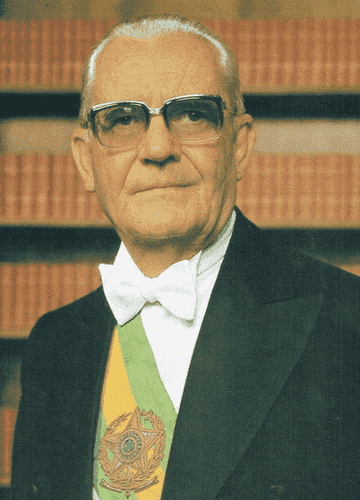
Getúlio Vargas's Estado Novo doctrine joining economic nationalism, a centralized state, state-tied unions, labor law and state firms such as Petrobras, against the regional oligarchies and liberalism.
Nationalist and syndicalist current that rejects liberalism and Marxism, advocating national unity, corporatist organization of labor, authoritarian social justice, and popular mobilization around the state.
The most distant ideology
Anarcho-PacifismAnarchist4%