National Syndicalism
Nationalist and syndicalist current that rejects liberalism and Marxism, advocating national unity, corporatist organization of labor, authoritarian social justice, and popular mobilization around the state.
Compare with…Home / Ideologies / National Syndicalism
Nationalist and syndicalist current that rejects liberalism and Marxism, advocating national unity, corporatist organization of labor, authoritarian social justice, and popular mobilization around the state.
Compare with…In one sentence
I want a nation mobilized around the state, with corporatist unions organizing labor and rejecting liberalism and Marxism.
Political axes
Leans further toward autocracy than 80% of the 276 ideologies in the catalog.
Of all the axes, Representation is where it stands furthest from the rest.
On Technoscience, it sits practically at the catalog median.
Here it shares common ground with most ideologies.
Analytical Summary & Scientific Audit
National Syndicalism belongs to the Third Position political family across the 12 Axes framework. Core measured positions: Immigration: 89% Assimilation; Trade: 89% Protectionism; Structure: 86% Unitary; Power: 84% Security.
Historical or radical ideology calibrated from comparative regime historiography and political thought literature (SEP / OpenAlex).
Primary sources & scientific datasets
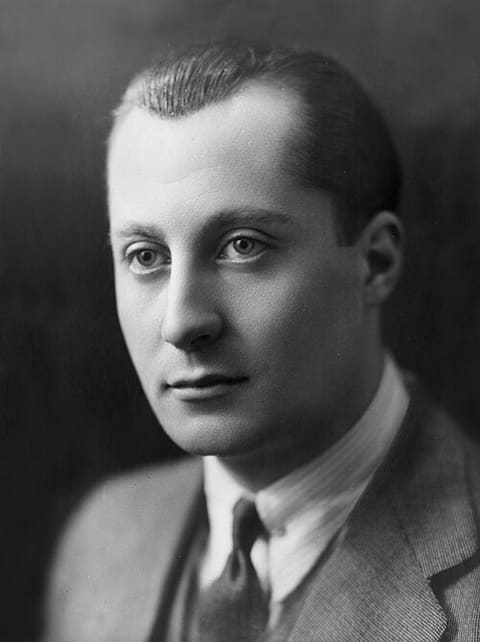
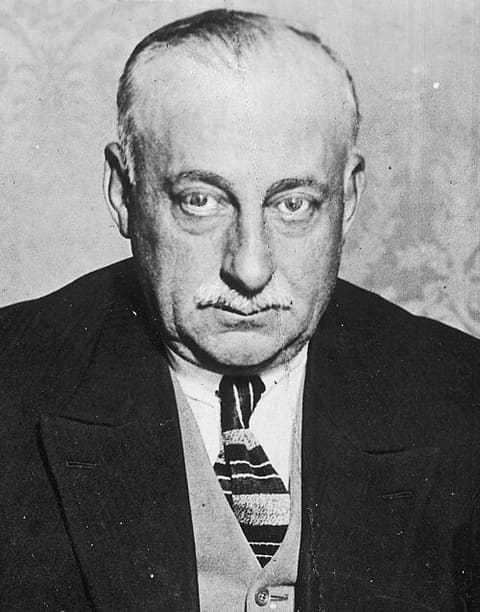
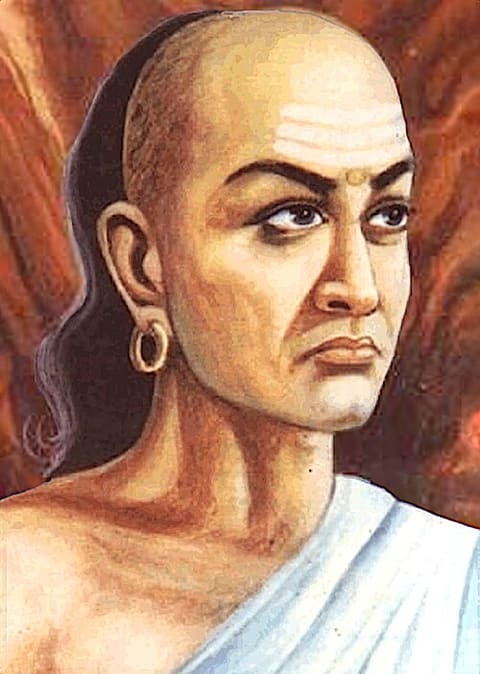
Founder of the Spanish Falange, Primo de Rivera created national syndicalism, advocating a corporatist, nationalist, Catholic state against liberalism and Marxism, becoming a martyr of the Francoist right.
Closest, by dimension
Other compatible profiles

The most distant
Reference country
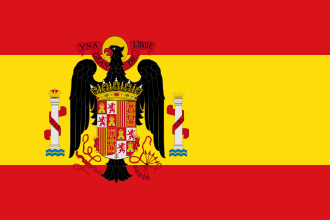
A dictatorship born of the Civil War, Franco's Spain was an authoritarian, Catholic, corporatist regime that united nationalism and political repression and lasted until the democratic transition after the dictator's death.
Other close countries
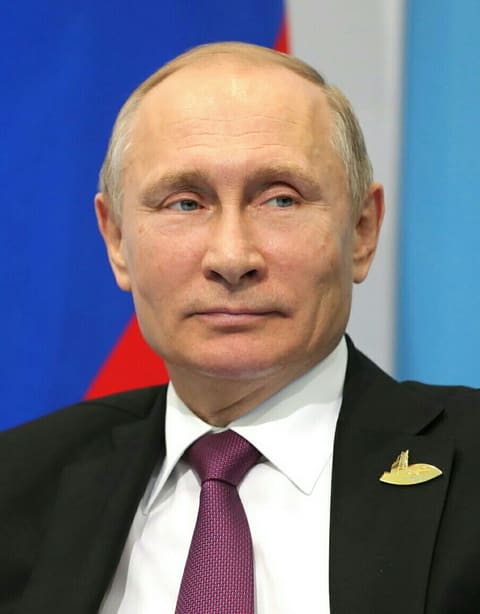
A Eurasian presidential republic, Russia concentrates power in an authoritarian, nationalist regime, with an economy dependent on natural resources, a strong military apparatus, and a foreign policy of confrontation with the West.
Also close, by dimension
The most distant
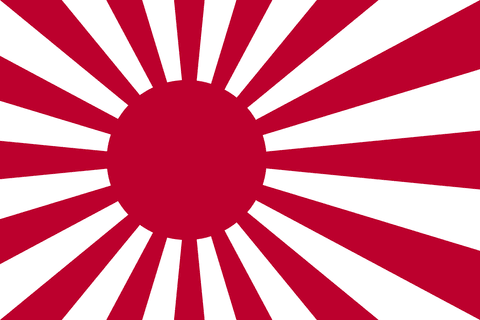
The Japanese imperial regime of the early 20th century combined sacred monarchy, militarism, accelerated industrialization, expansionist nationalism, and strong social discipline until its defeat in World War II.
Also close, by dimension
The most distant
Ideological proximity
Closest within Third Position
Getúlio Vargas's Estado Novo doctrine joining economic nationalism, a centralized state, state-tied unions, labor law and state firms such as Petrobras, against the regional oligarchies and liberalism.
Model that organizes society into corporations of workers and employers integrated into the state, seeking harmony between classes and directed economic cooperation instead of conflict or free competition.
Theory by Aleksandr Dugin that rejects liberalism, communism, and fascism and proposes a multipolar world founded on civilizations, tradition, and collective identity, opposing globalism and Western hegemony.
Closest in other spectrums
Conception that defines the nation by shared origin, language and descent, defending a state for the majority ethnic group and the preservation of its identity, which usually implies membership criteria tied to ancestry.
Current that preserves order, tradition, and hierarchy through a strong state, restricting freedoms and political participation in the name of social stability, morality, religion, and established authority.
System that unites free enterprise with strong protectionism and state direction, prioritizing industry, jobs, and national sovereignty over global free trade and unchecked foreign capital.
The most distant ideology
Techno-AnarchismAnarchist0%