Varguist Nationalism
Getúlio Vargas's Estado Novo doctrine joining economic nationalism, a centralized state, state-tied unions, labor law and state firms such as Petrobras, against the regional oligarchies and liberalism.
Compare with…Home / Ideologies / Varguist Nationalism
Getúlio Vargas's Estado Novo doctrine joining economic nationalism, a centralized state, state-tied unions, labor law and state firms such as Petrobras, against the regional oligarchies and liberalism.
Compare with…In one sentence
I want a nation united under a strong state, with labor laws protecting workers, national industry and oil, and no regional oligarchy.
Political axes
Leans further toward autocracy than 76% of the 276 ideologies in the catalog.
Of all the axes, Representation is where it stands furthest from the rest.
On Technoscience, it sits practically at the catalog median.
Here it shares common ground with most ideologies.
Analytical Summary & Scientific Audit
Varguist Nationalism belongs to the Third Position political family across the 12 Axes framework. Core measured positions: Structure: 88% Unitary; Immigration: 83% Assimilation; Power: 82% Security; Control: 82% Planning.
Vargas Era state corporatism (1930–1945 & 1951–1954): union tutelage under CLT and basic SOEs (CSN, Vale, Petrobras) allied with tariff-protected private industry (`controle: 82.0`).
Recorded divergence between rhetoric/stereotype and practice
| Axis | Rhetoric / Prior | Audited Practice | Delta |
|---|---|---|---|
| Representation | 18% | 26% | +9 pts |
| Structure | 4% | 12% | +8 pts |
Primary sources & scientific datasets
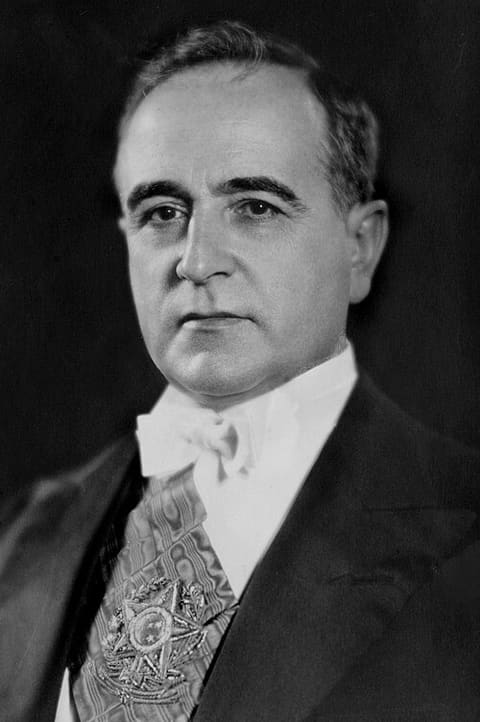
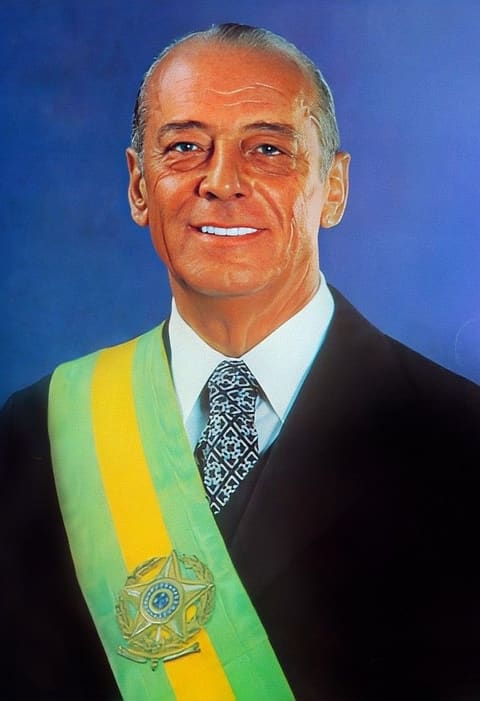
A Brazilian statesman, Vargas shaped modern Brazil with developmentalist nationalism, state-directed industrialization, and labor legislation, founding Brazilian labourism and marking decades of national politics.
Closest, by dimension


Other compatible profiles


The most distant
Reference country
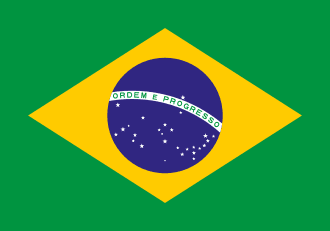
Under Vargas, Brazil experienced a nationalist, developmentalist regime that promoted state-directed industrialization, labor legislation, and the centralization of power, laying the foundations of Brazilian labourism.
Other close countries
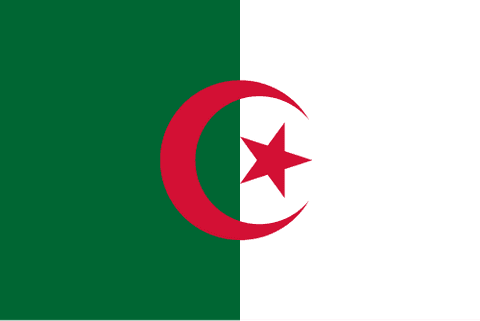
Born from the war of independence against France, Algeria is an army-dominated republic with Islam as the state religion, a state-run economy dependent on oil and gas, a non-aligned foreign policy and repression of the Hirak movement.
Also close, by dimension
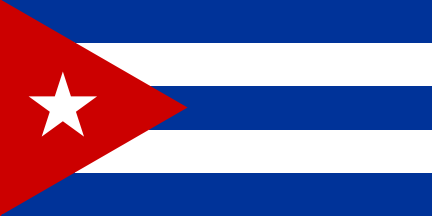

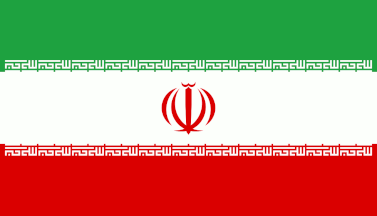
The most distant
Under Vargas, Brazil experienced a nationalist, developmentalist regime that promoted state-directed industrialization, labor legislation, and the centralization of power, laying the foundations of Brazilian labourism.
Also close, by dimension



The most distant
Ideological proximity
Closest within Third Position
Nationalist and syndicalist current that rejects liberalism and Marxism, advocating national unity, corporatist organization of labor, authoritarian social justice, and popular mobilization around the state.
Model that organizes society into corporations of workers and employers integrated into the state, seeking harmony between classes and directed economic cooperation instead of conflict or free competition.
Spanish authoritarian nationalism of Catholic and syndicalist inspiration, created by José Antonio Primo de Rivera on the corporatism of his father Miguel's dictatorship; it defends a corporatist state, national unity and social hierarchy, and was a pillar of Francoism.
Closest in other spectrums
System that unites free enterprise with strong protectionism and state direction, prioritizing industry, jobs, and national sovereignty over global free trade and unchecked foreign capital.
Current that preserves order, tradition, and hierarchy through a strong state, restricting freedoms and political participation in the name of social stability, morality, religion, and established authority.
Conception that defines the nation by shared origin, language and descent, defending a state for the majority ethnic group and the preservation of its identity, which usually implies membership criteria tied to ancestry.
The most distant ideology
Anarcho-PacifismAnarchist4%