Corporatism
Model that organizes society into corporations of workers and employers integrated into the state, seeking harmony between classes and directed economic cooperation instead of conflict or free competition.
Compare with…Home / Ideologies / Corporatism
Model that organizes society into corporations of workers and employers integrated into the state, seeking harmony between classes and directed economic cooperation instead of conflict or free competition.
Compare with…In one sentence
I want a society organized into corporations of employers and workers integrated into the state, in directed harmony between the classes.
Political axes
Leans further toward autocracy than 80% of the 276 ideologies in the catalog.
Of all the axes, Representation is where it stands furthest from the rest.
On Economy, it sits practically at the catalog median.
Here it shares common ground with most ideologies.
Analytical Summary & Scientific Audit
Corporatism belongs to the Third Position political family across the 12 Axes framework. Core measured positions: Structure: 84% Unitary; Religion: 81% Religious; Representation: 78% Autocracy; Trade: 78% Protectionism.
Historical or radical ideology calibrated from comparative regime historiography and political thought literature (SEP / OpenAlex).
Primary sources & scientific datasets
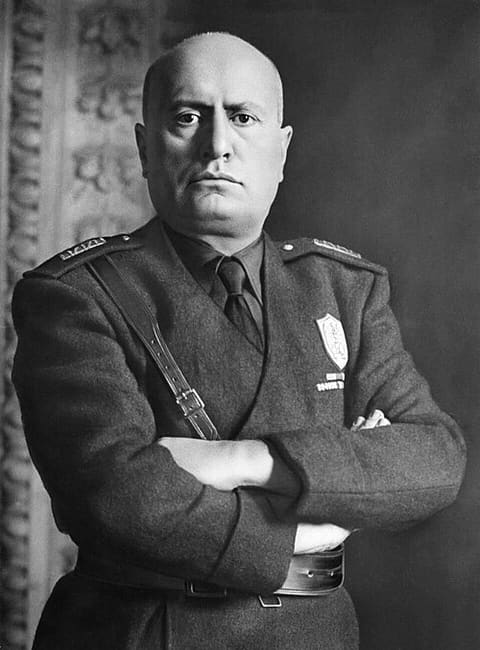
The creator of fascism, Mussolini ruled Italy as a totalitarian dictatorship built on a leader cult and a corporatist state. An atheist and anticlerical in his youth, he made the Church a political ally through the 1929 Lateran Pacts, more from expediency than faith.
Closest, by dimension
Other compatible profiles
The most distant
Reference country
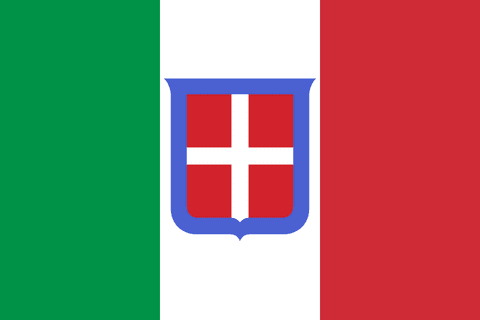
The birthplace of fascism, Mussolini's Italy was a totalitarian dictatorship that fused nationalism, a cult of the leader, a corporatist state, and militarism, suppressing opposition and seeking imperial expansion by force.
Other close countries
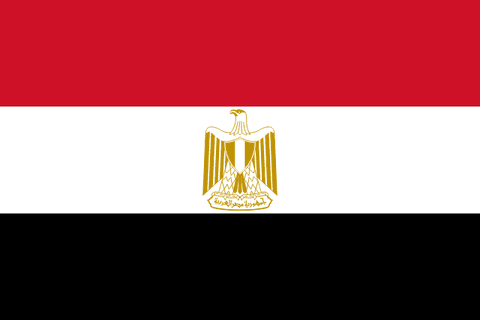
An Arab presidential republic, Egypt is governed by an authoritarian regime with heavy military weight, which prioritizes security and stability, controls the opposition, and directs much of the economy through the state.
Also close, by dimension
The most distant
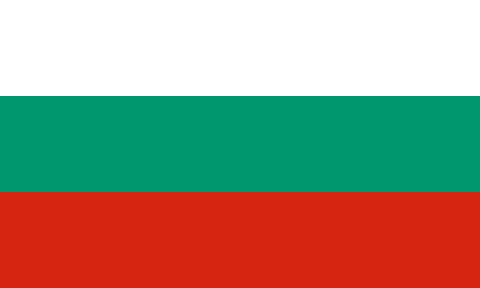
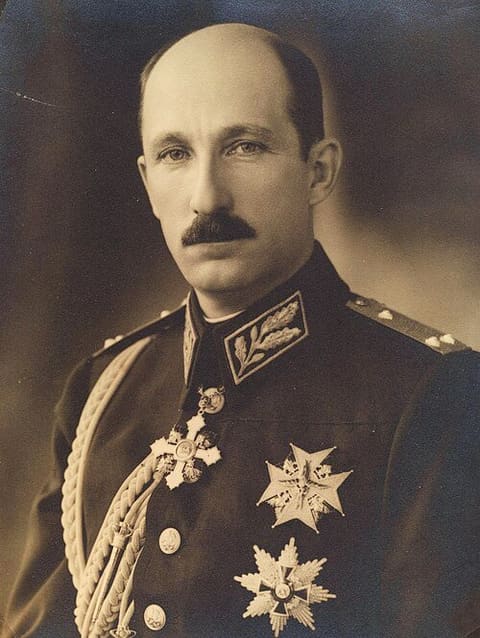
An independent kingdom from 1908 to 1946, the Bulgaria of Tsars Ferdinand and Boris III fought in the Balkan and world wars, allied with the Axis in 1941, shielded Bulgarian Jews from deportation and was abolished by the communist regime in 1946.
Also close, by dimension
The most distant
Ideological proximity
Closest within Third Position
Spanish authoritarian nationalism of Catholic and syndicalist inspiration, created by José Antonio Primo de Rivera on the corporatism of his father Miguel's dictatorship; it defends a corporatist state, national unity and social hierarchy, and was a pillar of Francoism.
Justicialist doctrine of Juan and Eva Perón uniting political sovereignty, economic independence and social justice, with CGT unions, nationalizations, protected industrialization, social Catholicism and a charismatic leader above parties.
Getúlio Vargas's Estado Novo doctrine joining economic nationalism, a centralized state, state-tied unions, labor law and state firms such as Petrobras, against the regional oligarchies and liberalism.
Closest in other spectrums
Christian theocratist doctrine that subordinates political power to religious authority, holding that divine law and the Church should govern the state and customs, from medieval and papal ultramontanism to modern reconstructionist projects.
System that unites free enterprise with strong protectionism and state direction, prioritizing industry, jobs, and national sovereignty over global free trade and unchecked foreign capital.
Current that mobilizes the people against political and cultural elites, combining nationalism, immigration restriction, traditional values, public religion, strong security, and anti-establishment economic pragmatism around personalist leaders.
The most distant ideology
Progressive LibertarianismLibertarian20%