New Deal Liberalism
Democratic Party current born with Franklin Roosevelt that joins financial regulation, social security, public works and strong unions with civic patriotism, preserved capitalism and international leadership.
Compare with…Home / Ideologies / New Deal Liberalism
Democratic Party current born with Franklin Roosevelt that joins financial regulation, social security, public works and strong unions with civic patriotism, preserved capitalism and international leadership.
Compare with…In one sentence
I want a patriotic nation of faith, with a strong federal government reining in banks, protected unions, social security and world leadership.
Political axes
Leans further toward religious than 75% of the 276 ideologies in the catalog.
Of all the axes, Religion is where it stands furthest from the rest.
On Economy, it sits practically at the catalog median.
Here it shares common ground with most ideologies.
Analytical Summary & Scientific Audit
New Deal Liberalism belongs to the Center political family across the 12 Axes framework. Core measured positions: Structure: 73% Unitary; Representation: 72% Democracy; Religion: 71% Religious; Technoscience: 68% Acceleration.
US New Deal coalition (FDR): Social Security, Wagner Act, banking supervision (Glass-Steagall/SEC) and institutional pragmatism within capitalist federalism.
Recorded divergence between rhetoric/stereotype and practice
| Axis | Rhetoric / Prior | Audited Practice | Delta |
|---|---|---|---|
| Morality | 23% | 48% | +26 pts |
| Representation | 59% | 72% | +13 pts |
| Ecology | 29% | 38% | +9 pts |
Primary sources & scientific datasets
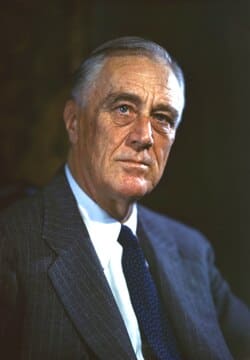
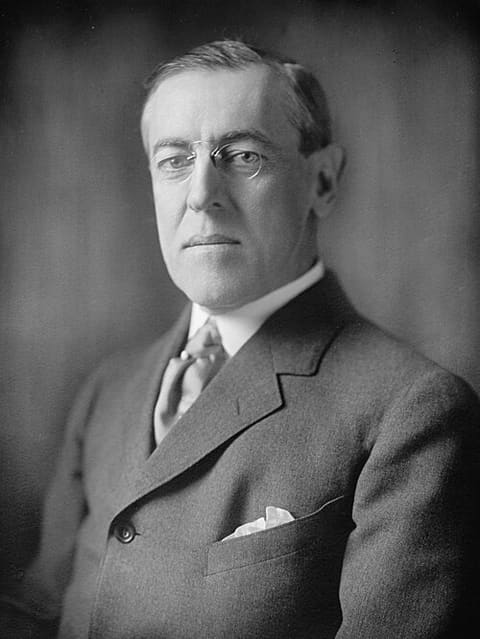
US president during the Great Depression and World War II, Roosevelt created the New Deal, expanding regulation, social rights, and federal intervention to save liberal democracy and reformed capitalism.
Closest, by dimension
Other compatible profiles
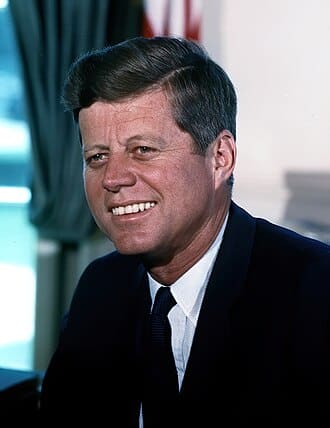
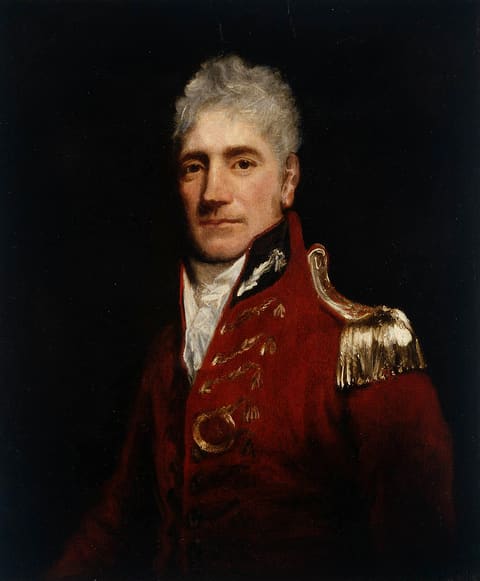
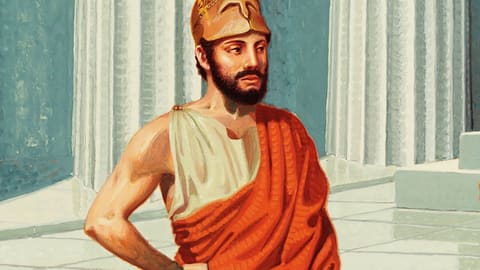


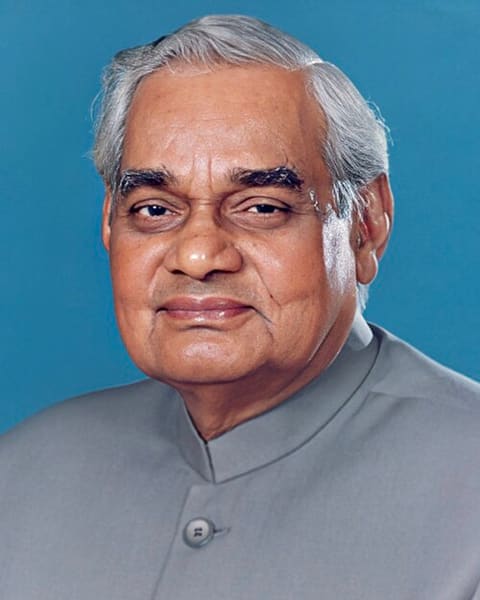

The most distant
Reference country
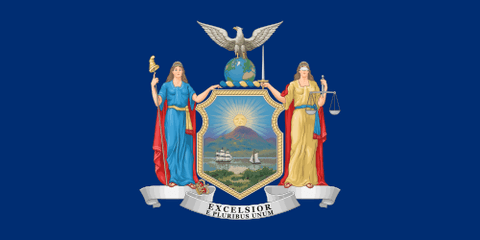
The financial and cultural center of the United States, New York combines liberal, progressive politics, enormous immigrant diversity, a globalized service-based economy, and strong symbolic weight in the world.
Other close countries
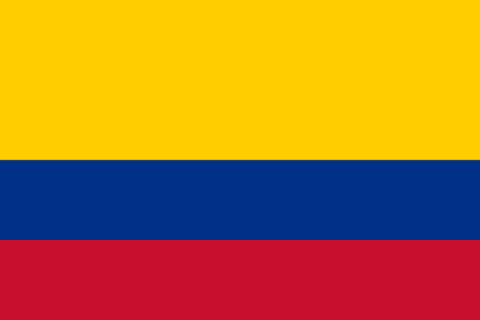
South American presidential republic governed since 2026 by Abelardo de la Espriella, who ended talks with armed groups, resumed airstrikes and extraditions, and ordered irregular migrants deported; Congress and the courts remain independent.
Also close, by dimension

The most distant
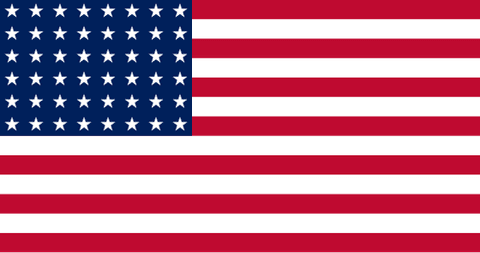
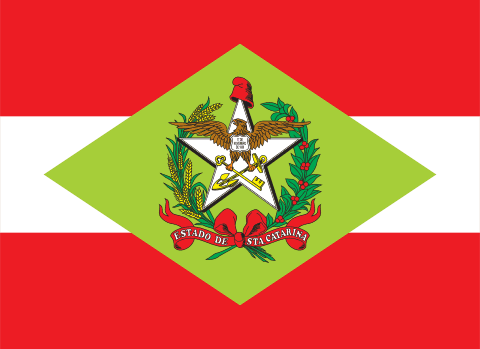
Under Franklin Roosevelt, the United States expanded federal power with Social Security, bank regulation, public works and stronger unions, while keeping capitalism, racial segregation in the South and mobilizing for the Second World War.
Also close, by dimension

The most distant
Ideological proximity
Closest within Center
Current that seeks to overcome underdevelopment through accelerated industrialization, state planning, public infrastructure, protection of infant industry and a partnership between the state, national capital and foreign capital, as in Kubitschek's Targets Plan.
Current that keeps the welfare state, trade unions and mixed economy, but defends family, nation, public order and restricted immigration, as in Mette Frederiksen's Danish social democracy.
Militant democracy doctrine, authorizing a democratic state to restrict the enemies of democracy itself by banning anti-system parties, monitoring extremists and maintaining conscription and reinforced security to defend the constitutional order.
Closest in other spectrums
Jewish national movement created by Herzl in 1897 that led to the State of Israel in 1948. It spans labor, revisionist and religious currents and today is expressed in a parliamentary democracy with strong military defense and a Law of Return.
Nationalism based on shared language, traditions, and heritage rather than race, which values the people's cultural identity and the integration of those who adopt these values, defending the nation's cohesion.
Conservatism that protects institutions, family and order without doctrinal rigidity: it allows gradual reform and concessions in order to conserve the essential, in the line of Burke and Disraeli, rather than restoring an idealized past.
The most distant ideology
Anarcho-NaturismAnarchist31%