Home / Countries / Suriname

Multiethnic parliamentary republicModern country

Suriname

A former Dutch colony in South America, Suriname is a multiethnic parliamentary republic of Hindustanis, Creoles, Javanese and Maroons, with ethnically based parties, a legacy of the dictator Bouterse and an economy of gold, offshore oil and high debt.

Predominant spectrum
Center
Closest ideology
Christian Democracy
Closest personality
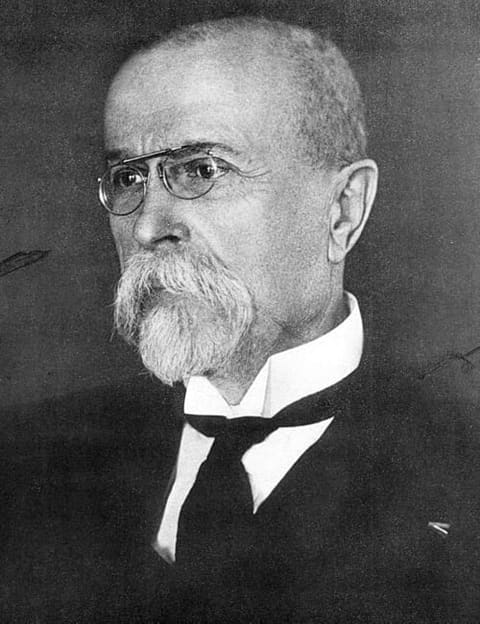
Tomáš Garrigue Masaryk
Compare with…
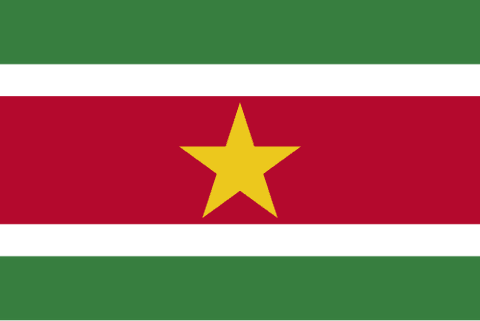
Flag: Suriname

Political axes

Profile across the 13 axes

  • Structure

    Leaning · Unitary
    Federal28%
    Unitary72%
  • Representation

    Strong · Democracy
    Democracy76%
    Autocracy24%
  • Power

    Balanced
    Security46%
    Liberty54%
  • Immigration

    Leaning · Multiculturalism
    Assimilation35%
    Multiculturalism65%
  • Geopolitics

    Leaning · Pacifist
    Militarist30%
    Pacifist70%
  • Sovereignty

    Leaning · Multilateralist
    Sovereigntist36%
    Multilateralist64%
  • Economy

    Balanced
    Public54%
    Private46%
  • Control

    Leaning · Planning
    Planning63%
    Free market37%
  • Trade

    Leaning · Free trade
    Protectionism39%
    Free trade61%
  • Religion

    Leaning · Religious
    Secular35%
    Religious65%
  • Morality

    Leaning · Traditionalist
    Progressive40%
    Traditionalist60%
  • Ecology

    Balanced
    Conservation46%
    Productivism54%
  • Technoscience

    Balanced
    Acceleration54%
    Precaution46%

What sets Suriname apart

Most unusual position

Immigration

Leans further toward multiculturalism than 87% of the 320 countries and regimes in the catalog.

Country median 62Suriname 35

Of all the axes, Immigration is where it stands furthest from the rest.

Most common position

Structure

On Structure, it sits practically at the catalog median.

Country median 27Suriname 28

Here it shares common ground with most countries.

Analytical Summary & Scientific Audit

12-Axis Synthesis & Primary Sources

Verified Methodological Grounding

Suriname exhibits a predominantly Center institutional profile on comparative datasets. Core measured traits: Representation: 76% Democracy; Structure: 72% Unitary; Geopolitics: 70% Pacifist; Immigration: 65% Multiculturalism.

Baseline vector referenced against comparative institutional, fiscal and trade indices (V-Dem, IMF, KOF).

Primary sources & scientific datasets