Home / Countries / Guyana

Rising oil presidential republicModern country

Guyana

An English-speaking South American presidential republic, Guyana has enjoyed an offshore oil boom since 2019, with among the world's highest growth, politics split between Indo-Guyanese and Afro-Guyanese and a dispute over Essequibo with Venezuela.

Predominant spectrum
Center
Closest ideology
Christian Democracy
Closest personality
George Weah
Compare with…
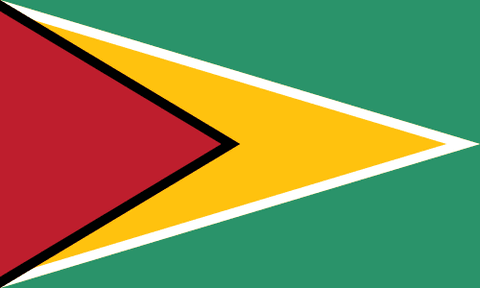
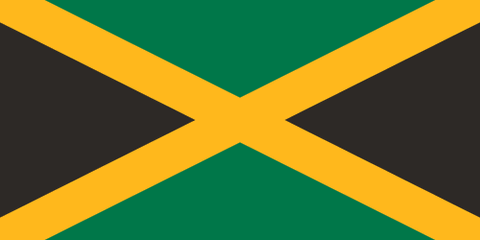
Flag: Guyana

Political axes

Profile across the 13 axes

  • Structure

    Strong · Unitary
    Federal27%
    Unitary73%
  • Representation

    Strong · Democracy
    Democracy78%
    Autocracy23%
  • Power

    Balanced
    Security56%
    Liberty44%
  • Immigration

    Balanced
    Assimilation45%
    Multiculturalism56%
  • Geopolitics

    Leaning · Pacifist
    Militarist38%
    Pacifist63%
  • Sovereignty

    Leaning · Multilateralist
    Sovereigntist41%
    Multilateralist59%
  • Economy

    Balanced
    Public50%
    Private50%
  • Control

    Leaning · Planning
    Planning62%
    Free market38%
  • Trade

    Leaning · Free trade
    Protectionism39%
    Free trade61%
  • Religion

    Strong · Religious
    Secular22%
    Religious78%
  • Morality

    Strong · Traditionalist
    Progressive27%
    Traditionalist74%
  • Ecology

    Leaning · Productivism
    Conservation39%
    Productivism62%
  • Technoscience

    Leaning · Acceleration
    Acceleration58%
    Precaution42%

What sets Guyana apart

Most unusual position

Representation

Leans further toward democracy than 71% of the 320 countries and regimes in the catalog.

Country median 50Guyana 78

Of all the axes, Representation is where it stands furthest from the rest.

Most common position

Ecology

On Ecology, it sits practically at the catalog median.

Country median 39Guyana 39

Here it shares common ground with most countries.

Analytical Summary & Scientific Audit

12-Axis Synthesis & Primary Sources

Verified Methodological Grounding

Guyana exhibits a predominantly Center institutional profile on comparative datasets. Core measured traits: Religion: 78% Religious; Representation: 78% Democracy; Morality: 74% Traditionalist; Structure: 73% Unitary.

Baseline vector referenced against comparative institutional, fiscal and trade indices (V-Dem, IMF, KOF).

Primary sources & scientific datasets