Paternalistic Conservatism
Conservative tradition that accepts social reforms and protection for the poorest to preserve national cohesion, seeing elites as responsible for the people's welfare and for harmony between classes.
Compare with…Home / Ideologies / Paternalistic Conservatism
Conservative tradition that accepts social reforms and protection for the poorest to preserve national cohesion, seeing elites as responsible for the people's welfare and for harmony between classes.
Compare with…In one sentence
I want a nation united by responsible elites, who reform and protect the poorest to keep harmony among the classes.
Political axes
Leans further toward religious than 79% of the 276 ideologies in the catalog.
Of all the axes, Religion is where it stands furthest from the rest.
On Geopolitics, it sits practically at the catalog median.
Here it shares common ground with most ideologies.
Analytical Summary & Scientific Audit
Paternalistic Conservatism belongs to the Right political family across the 12 Axes framework. Core measured positions: Morality: 80% Traditionalist; Religion: 75% Religious; Structure: 70% Unitary; Control: 65% Planning.
Ideology calibrated from canonical comparative Political Science literature (Heywood, Bobbio, Freeden, MARPOR and CHES).
Primary sources & scientific datasets
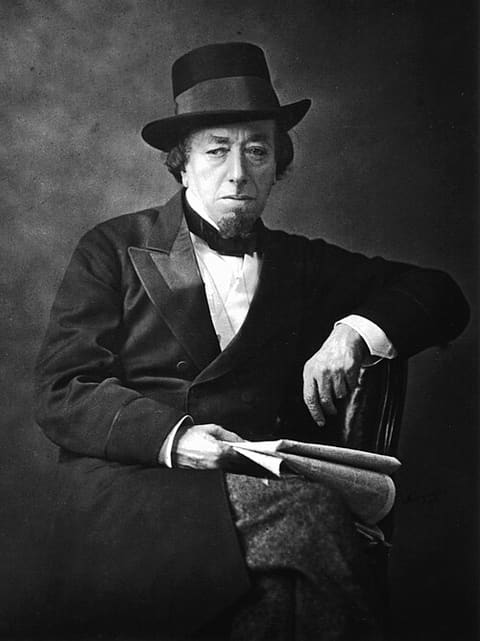
A British statesman, Disraeli formulated one-nation paternalistic conservatism, reconciling tradition, monarchy, and social reforms to integrate the working classes and strengthen the country's cohesion.
Closest, by dimension
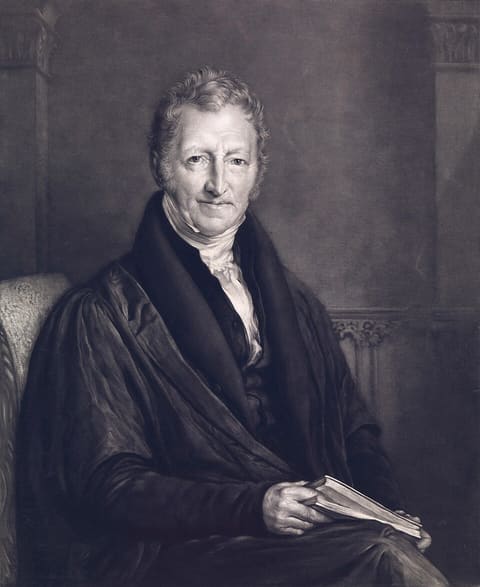


Other compatible profiles



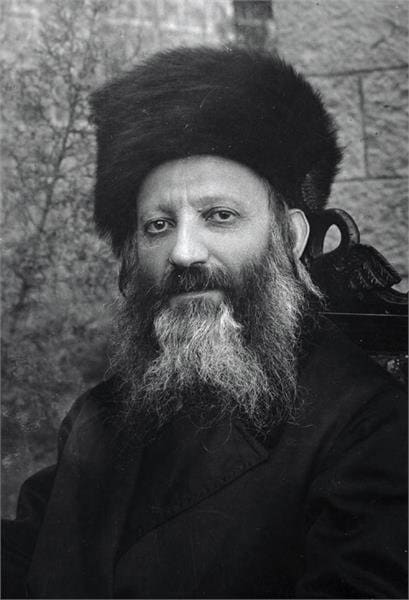
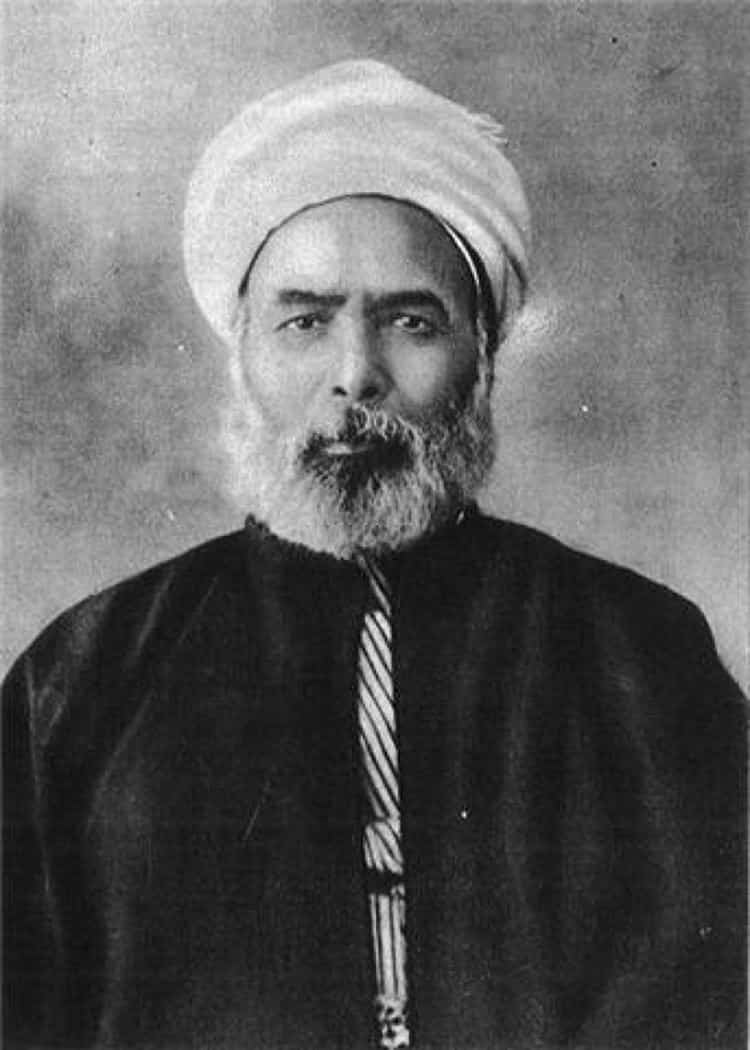



The most distant
Reference country

At its Victorian height, the British Empire was the largest in history, uniting parliamentary monarchy, the industrial revolution, and global colonial rule, with strong commercial, naval, and cultural expansion across the world.
Other close countries

The world's largest Muslim country, Indonesia is a democratic presidential archipelagic republic, with an expanding market economy, great ethnic and religious diversity, and growing regional weight in Southeast Asia.
Also close, by dimension


The most distant
Under Franklin Roosevelt, the United States expanded federal power with Social Security, bank regulation, public works and stronger unions, while keeping capitalism, racial segregation in the South and mobilizing for the Second World War.
Also close, by dimension
The most distant
Ideological proximity
Closest within Right
Political movement advocating a state governed by sharia and Islamic identity, born with Hassan al-Banna's and Sayyid Qutb's Muslim Brotherhood, combining mass activism, religious social welfare and rejection of Western secularism.
Nationalism based on shared language, traditions, and heritage rather than race, which values the people's cultural identity and the integration of those who adopt these values, defending the nation's cohesion.
Current that combines popular sovereignty and democratic institutions with strong cultural nationalism, prioritizing the nation's interests and identity over supranational commitments and multiculturalism.
Closest in other spectrums
Justicialist doctrine of Juan and Eva Perón uniting political sovereignty, economic independence and social justice, with CGT unions, nationalizations, protected industrialization, social Catholicism and a charismatic leader above parties.
Democratic Party current born with Franklin Roosevelt that joins financial regulation, social security, public works and strong unions with civic patriotism, preserved capitalism and international leadership.
Socrates' dialectical method, examining beliefs through rational questioning and the pursuit of virtue, distrustful of mass politics and the rhetoric of demagogues, yet respectful of the city's rule of law.
The most distant ideology
Progressive LibertarianismLibertarian31%