Socratism
Socrates' dialectical method, examining beliefs through rational questioning and the pursuit of virtue, distrustful of mass politics and the rhetoric of demagogues, yet respectful of the city's rule of law.
Compare with…Home / Ideologies / Socratism
Socrates' dialectical method, examining beliefs through rational questioning and the pursuit of virtue, distrustful of mass politics and the rhetoric of demagogues, yet respectful of the city's rule of law.
Compare with…In one sentence
I want a city that examines its beliefs through rational dialogue and seeks virtue, wary of demagogues but obedient to the polis's laws.
Political axes
Leans further toward precaution than 80% of the 276 ideologies in the catalog.
Of all the axes, Technoscience is where it stands furthest from the rest.
On Sovereignty, it sits practically at the catalog median.
Here it shares common ground with most ideologies.
Analytical Summary & Scientific Audit
Socratism belongs to the Center political family across the 12 Axes framework. Core measured positions: Structure: 74% Unitary; Control: 70% Planning; Trade: 70% Protectionism; Morality: 69% Traditionalist.
Ideology calibrated from canonical comparative Political Science literature (Heywood, Bobbio, Freeden, MARPOR and CHES).
Primary sources & scientific datasets
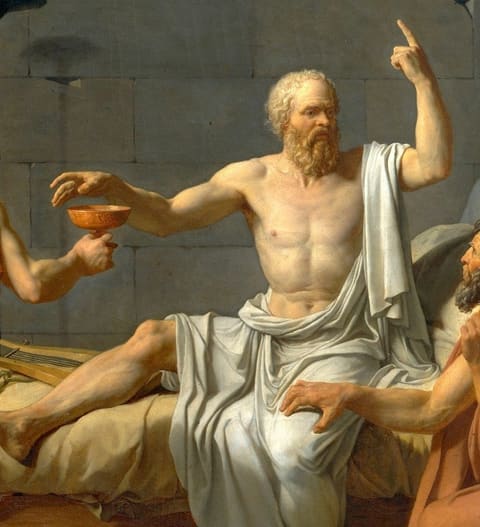
Athenian philosopher, Socrates created the dialectical method of questioning to examine beliefs and pursue virtue, distrusted mass politics and the rhetoric of demagogues, and was executed for corrupting the youth.
Closest, by dimension
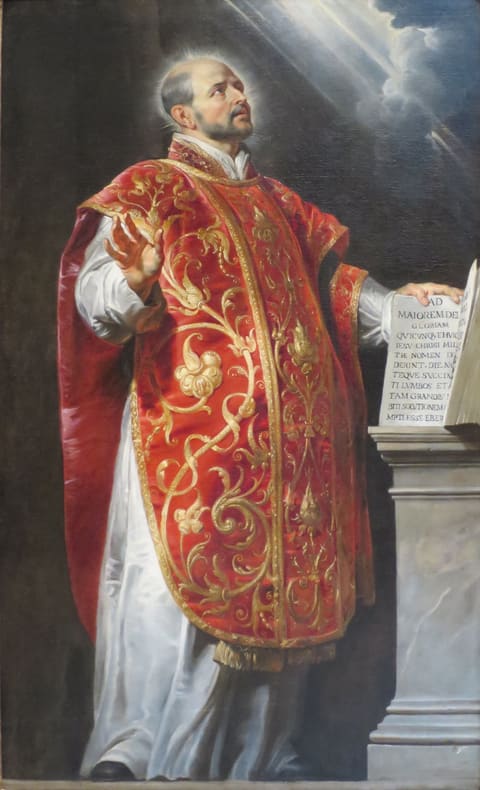

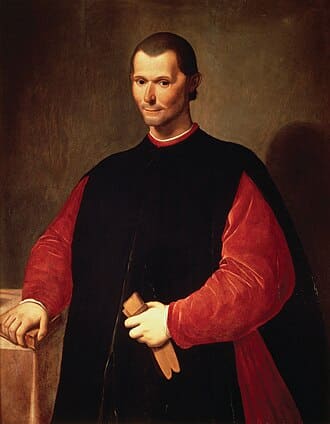
Other compatible profiles
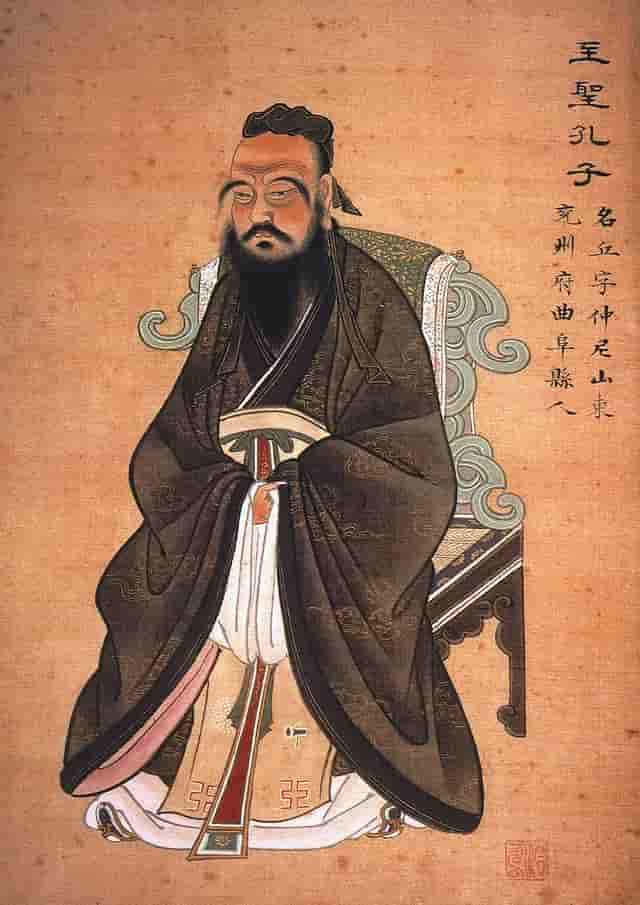
The most distant
Reference country
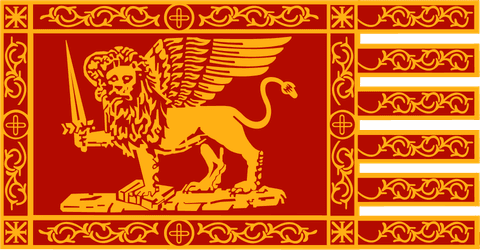
A powerful medieval merchant republic, Venice was governed by a commercial oligarchy that dominated Mediterranean trade, uniting stable institutions, a strong navy, and immense economic power for centuries.
Other close countries
An Andean presidential republic, Bolivia is marked by indigenous leadership, the defense of natural resources, and a plurinational state project that unites economic nationalism and broad popular participation.
Also close, by dimension
The most distant
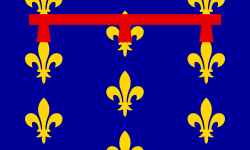
Bourbon realm of southern Italy with an agrarian base, popular Catholic piety, counter-revolutionary resistance, and royal centralism prior to unification.
Also close, by dimension
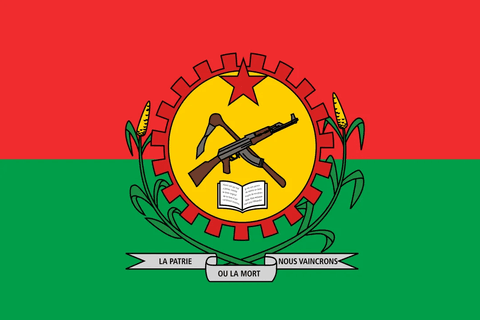
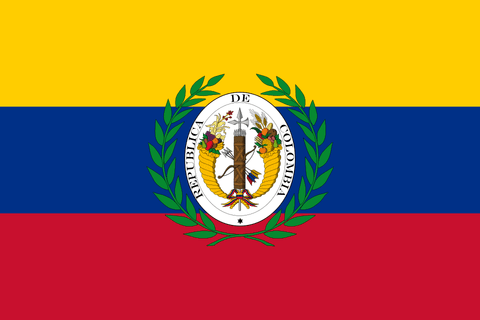
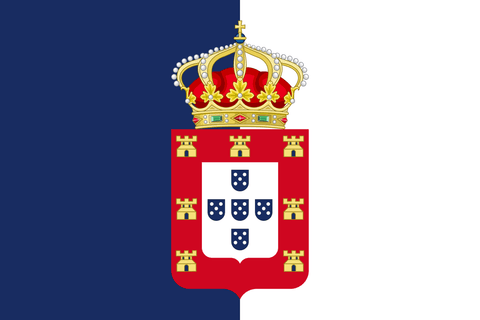
The most distant
Ideological proximity
Closest within Center
Current that links environmental protection to national sovereignty, prioritizing the protection of the country's own natural resources and land and sustainable development within national borders.
Current that keeps the welfare state, trade unions and mixed economy, but defends family, nation, public order and restricted immigration, as in Mette Frederiksen's Danish social democracy.
Defense of monarchy as a symbol of unity and continuity, with the king subject to the constitution and parliament, uniting tradition and institutional stability with representative democracy and the rule of law.
Closest in other spectrums
Doctrine of rule by the best, which entrusts power to a minority qualified by virtue, education or birth, rejecting political equality and majority rule, which it sees as a risk to competence.
Conservative tradition that accepts social reforms and protection for the poorest to preserve national cohesion, seeing elites as responsible for the people's welfare and for harmony between classes.
Doctrine that grounds political order in the ruler's virtue, ritual hierarchy and filial piety, favouring bureaucratic merit and moral education over coercive law or popular participation.
The most distant ideology
Crypto-AnarchismLibertarian30%