Crypto-Anarchism
Current that uses cryptography and digital technologies to guarantee privacy, freedom, and transactions beyond state control, seeking to weaken surveillance and authority through technological means.
Compare with…Home / Ideologies / Crypto-Anarchism
Current that uses cryptography and digital technologies to guarantee privacy, freedom, and transactions beyond state control, seeking to weaken surveillance and authority through technological means.
Compare with…In one sentence
I want a life protected by cryptography, free of surveillance and borders that block transactions, dissolving the state's authority through technology.
Political axes
Leans further toward federal than 97% of the 276 ideologies in the catalog.
Of all the axes, Structure is where it stands furthest from the rest.
On Ecology, it sits practically at the catalog median.
Here it shares common ground with most ideologies.
Analytical Summary & Scientific Audit
Crypto-Anarchism belongs to the Libertarian political family across the 12 Axes framework. Core measured positions: Power: 99% Liberty; Structure: 98% Federal; Control: 95% Free market; Technoscience: 94% Acceleration.
Political current calibrated from primary treatises in political philosophy and history of economic thought (SEP / HET).
Primary sources & scientific datasets
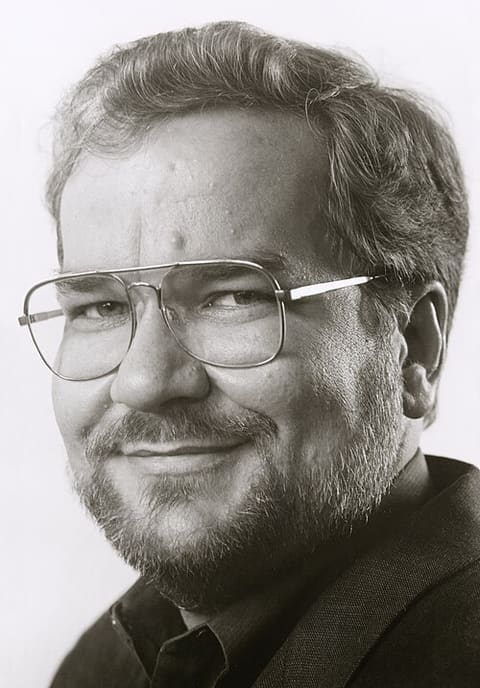
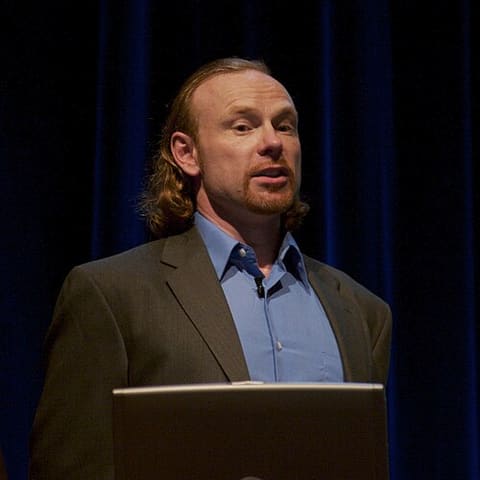
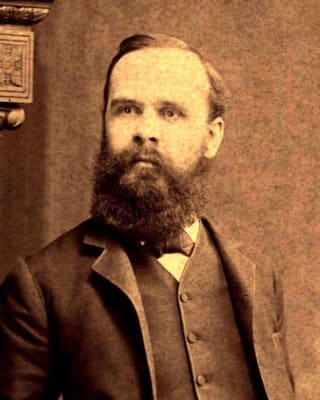
An American cryptographer, Zimmermann created PGP, making strong cryptography accessible to everyone and defending digital privacy as a right, becoming a reference for crypto-anarchism and civil liberties.
Closest, by dimension

Other compatible profiles


The most distant
Reference country

A European federal confederation, Switzerland is known for its direct democracy, strong cantonal autonomy, historic neutrality, and a prosperous economy based on finance, precision industry, and institutional stability.
Other close countries

Switzerland's smallest canton and one of the lowest-taxed jurisdictions in the world, Zug attracts holdings and foundations through low taxation, hosts the Crypto Valley around Ethereum and accepts tax payments in bitcoin, under cantonal direct democracy.
Also close, by dimension
The most distant
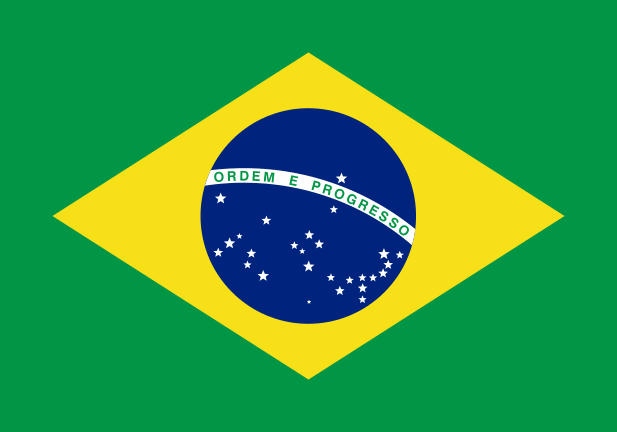
With Fernando Henrique Cardoso at the Finance Ministry and then in the Presidency, Brazil stabilized its currency with the Plano Real, privatized state firms and adopted a Fiscal Responsibility Law, in a democracy that approved presidential re-election.
Also close, by dimension

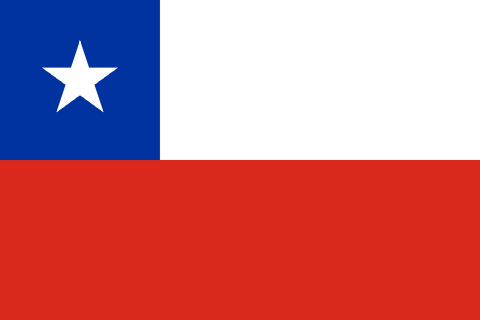
The most distant
Ideological proximity
Closest within Libertarian
Current that proposes abolishing the state and organizing all of society through contracts and free markets, with security, justice, and services provided by competing private companies under absolute property rights.
Branch that pursues gender equality through individual freedom and the market rather than the state, defending autonomy, equal rights, and the end of legal restrictions on women's choices.
Libertarian branch that defends a minimal state limited to police, courts, and defense, leaving everything else to the market and private initiative, to protect individual rights without oppressing freedom.
Closest in other spectrums
Current founded by Max Stirner in The Ego and Its Own (1844), which rejects the state, morality, religion and rights as spooks and proposes voluntary unions of egoists who associate only while it serves them.
Current that advocates free markets, deregulation, privatization, and fiscal discipline, reducing the state's economic role and trusting competition and monetary stability as engines of prosperity.
Political tradition that places individual freedom at the center, defending rights, tolerance, the rule of law, a market economy, and limits on power, with government subject to the consent of citizens.
The most distant ideology
Techno-SocialismRadical Left0%