Liberalism
Political tradition that places individual freedom at the center, defending rights, tolerance, the rule of law, a market economy, and limits on power, with government subject to the consent of citizens.
Compare with…Home / Ideologies / Liberalism
Political tradition that places individual freedom at the center, defending rights, tolerance, the rule of law, a market economy, and limits on power, with government subject to the consent of citizens.
Compare with…In one sentence
I want a tolerant society founded on individual rights, with government limited by the rule of law and a free market economy.
Political axes
Leans further toward free market than 84% of the 276 ideologies in the catalog.
Of all the axes, Control is where it stands furthest from the rest.
On Religion, it sits practically at the catalog median.
Here it shares common ground with most ideologies.
Analytical Summary & Scientific Audit
Liberalism belongs to the Right political family across the 12 Axes framework. Core measured positions: Power: 80% Liberty; Trade: 79% Free trade; Representation: 79% Democracy; Control: 75% Free market.
Ideology calibrated from canonical comparative Political Science literature (Heywood, Bobbio, Freeden, MARPOR and CHES).
Primary sources & scientific datasets
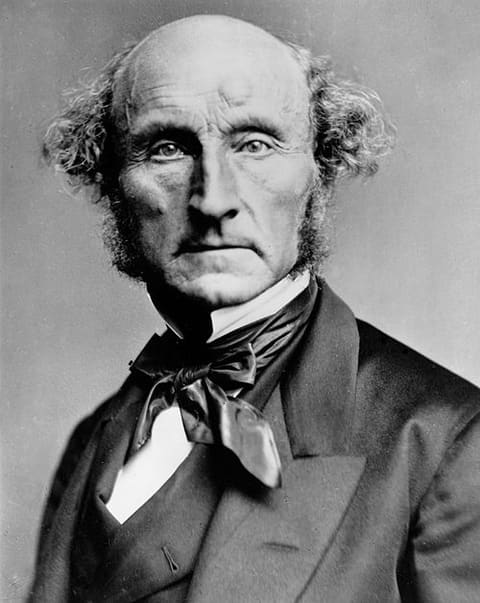
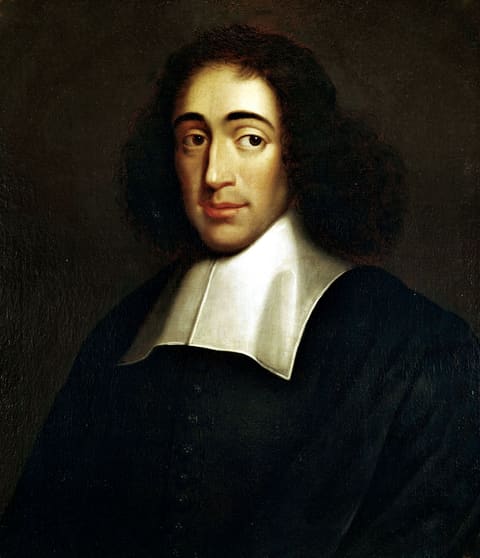
A British liberal philosopher, Mill championed individual liberty, tolerance, utilitarianism, and the harm principle, making him a foundational figure of modern liberalism.
Closest, by dimension

Other compatible profiles




The most distant
Reference country
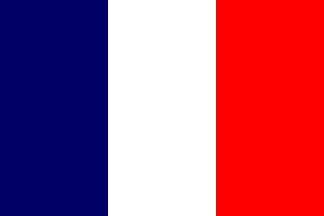
A European semi-presidential republic, France combines a strong republican and secular tradition, a robust welfare state, a mixed economy, and a prominent diplomatic, cultural, and military role in the European Union and the world.
Other close countries
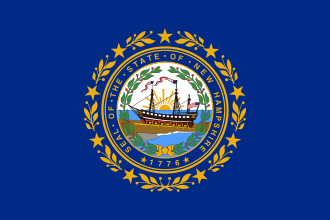
A small state in the northeastern United States, New Hampshire is known for its strong libertarian culture, low taxation, absence of a state income tax, and a motto that exalts liberty above all.
Also close, by dimension
The most distant
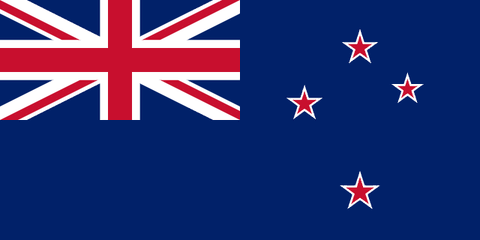
Under David Lange's Labour government and minister Roger Douglas, New Zealand privatized state firms, cut farm subsidies, opened trade and deregulated the economy, keeping democracy and its anti-nuclear policy.
Also close, by dimension
The most distant
Ideological proximity
Closest within Right
Economic system based on private property, free markets, and the pursuit of profit, in which production and prices are regulated by competition and supply and demand, with individual initiative as its engine.
Current that advocates free markets, deregulation, privatization, and fiscal discipline, reducing the state's economic role and trusting competition and monetary stability as engines of prosperity.
Current that seeks to solve the environmental crisis through the market, using pricing, green technology, and incentives to make protecting nature profitable and compatible with growth and free enterprise.
Closest in other spectrums
Original branch of liberalism that defends natural rights, property, free markets, and a minimal state, seeing individual freedom and the strict limitation of power as the foundations of a just society.
Economic philosophy founded by Henry George holding that natural resources and land belong to the whole community, advocating a single land value tax (LVT) and the abolition of taxes on labor and capital.
Eighteenth-century European intellectual movement that champions reason, science and tolerance against superstition and absolutism, with natural rights, separation of powers, education and progress as the basis of society.
The most distant ideology
Stalinist SocialismRadical Left23%