Eco-Capitalism
Current that seeks to solve the environmental crisis through the market, using pricing, green technology, and incentives to make protecting nature profitable and compatible with growth and free enterprise.
Compare with…Home / Ideologies / Eco-Capitalism
Current that seeks to solve the environmental crisis through the market, using pricing, green technology, and incentives to make protecting nature profitable and compatible with growth and free enterprise.
Compare with…In one sentence
I want a green market economy, where pricing, technology and profit make protecting nature compatible with growth and free enterprise.
Political axes
Leans further toward free trade than 90% of the 276 ideologies in the catalog.
Of all the axes, Trade is where it stands furthest from the rest.
On Ecology, it sits practically at the catalog median.
Here it shares common ground with most ideologies.
Analytical Summary & Scientific Audit
Eco-Capitalism belongs to the Right political family across the 12 Axes framework. Core measured positions: Representation: 84% Democracy; Geopolitics: 84% Pacifist; Trade: 81% Free trade; Economy: 80% Private.
Ideology calibrated from canonical comparative Political Science literature (Heywood, Bobbio, Freeden, MARPOR and CHES).
Primary sources & scientific datasets
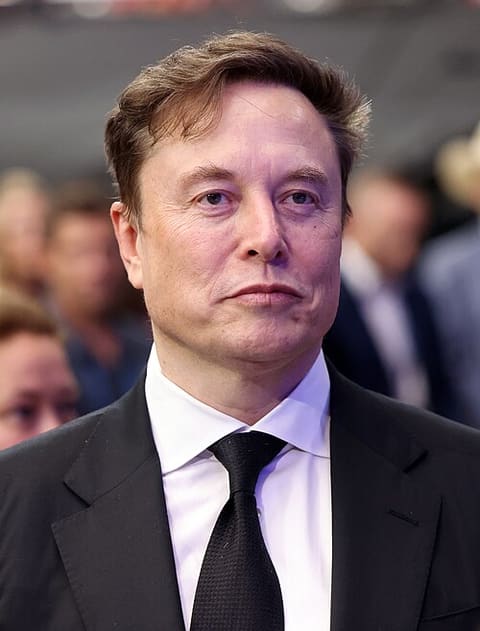
An entrepreneur and billionaire, Musk leads technology companies such as Tesla and SpaceX and champions technological accelerationism, the colonization of Mars, and libertarian ideas, influencing the global public debate.
Closest, by dimension
Other compatible profiles
The most distant
Reference country
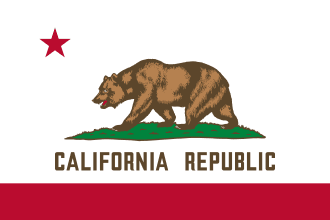
The most populous US state, California is a global hub of technology and culture, with strongly progressive, environmentalist, and technocratic politics and a gigantic, innovative market economy.
Other close countries
A European grand duchy and global financial center, Luxembourg combines parliamentary monarchy, an open economy, deep European integration, and a multicultural society sustained by services, technology, and finance.
Also close, by dimension
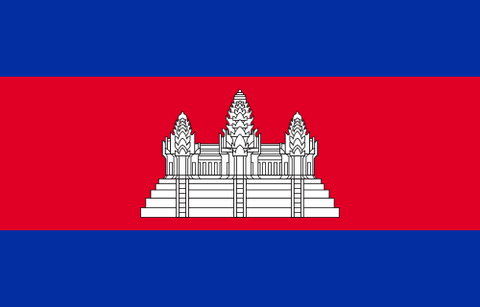
The most distant
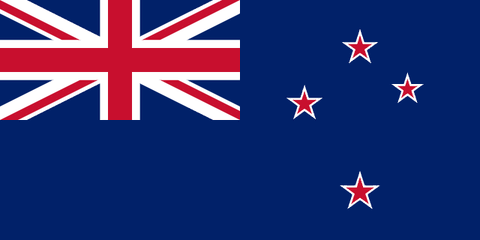
Under David Lange's Labour government and minister Roger Douglas, New Zealand privatized state firms, cut farm subsidies, opened trade and deregulated the economy, keeping democracy and its anti-nuclear policy.
Also close, by dimension
The most distant
Ideological proximity
Closest within Right
Current that advocates free markets, deregulation, privatization, and fiscal discipline, reducing the state's economic role and trusting competition and monetary stability as engines of prosperity.
Political tradition that places individual freedom at the center, defending rights, tolerance, the rule of law, a market economy, and limits on power, with government subject to the consent of citizens.
Economic system based on private property, free markets, and the pursuit of profit, in which production and prices are regulated by competition and supply and demand, with individual initiative as its engine.
Closest in other spectrums
Eighteenth-century European intellectual movement that champions reason, science and tolerance against superstition and absolutism, with natural rights, separation of powers, education and progress as the basis of society.
Original branch of liberalism that defends natural rights, property, free markets, and a minimal state, seeing individual freedom and the strict limitation of power as the foundations of a just society.
Economic philosophy founded by Henry George holding that natural resources and land belong to the whole community, advocating a single land value tax (LVT) and the abolition of taxes on labor and capital.
The most distant ideology
Strasserist SocialismThird Position22%