Capitalism
Economic system based on private property, free markets, and the pursuit of profit, in which production and prices are regulated by competition and supply and demand, with individual initiative as its engine.
Compare with…Home / Ideologies / Capitalism
Economic system based on private property, free markets, and the pursuit of profit, in which production and prices are regulated by competition and supply and demand, with individual initiative as its engine.
Compare with…In one sentence
I want a society driven by individual initiative, where competition and the free market, not the state, decide prices, production and profit.
Political axes
Leans further toward free market than 89% of the 276 ideologies in the catalog.
Of all the axes, Control is where it stands furthest from the rest.
On Representation, it sits practically at the catalog median.
Here it shares common ground with most ideologies.
Analytical Summary & Scientific Audit
Capitalism belongs to the Right political family across the 12 Axes framework. Core measured positions: Economy: 81% Private; Control: 81% Free market; Trade: 81% Free trade; Technoscience: 79% Acceleration.
Ideology calibrated from canonical comparative Political Science literature (Heywood, Bobbio, Freeden, MARPOR and CHES).
Primary sources & scientific datasets
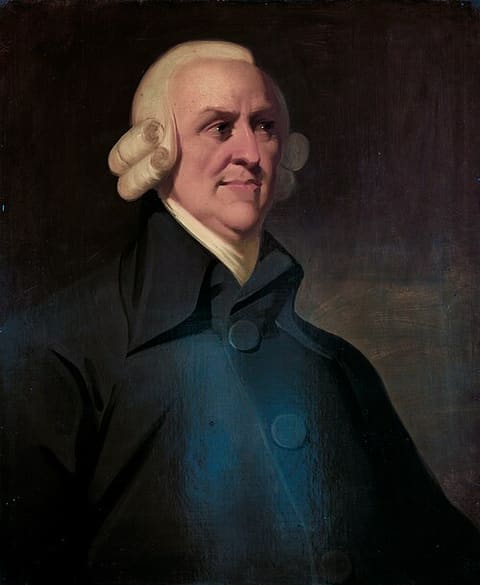
A Scottish economist, Adam Smith founded modern economics in The Wealth of Nations, showing how the market and the division of labor generate prosperity and how the invisible hand coordinates individual interests.
Closest, by dimension
Other compatible profiles
The most distant
Reference country
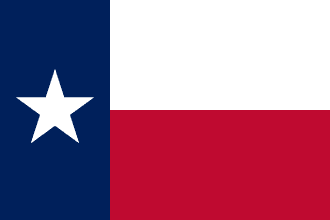
The second-largest US state, Texas stands out for its conservatism, its culture of strong individual freedom, low taxation, and a dynamic market economy tied to energy and industry.
Other close countries
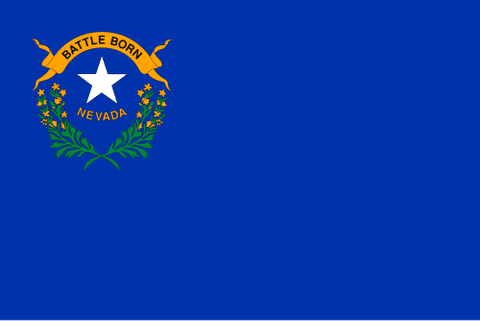
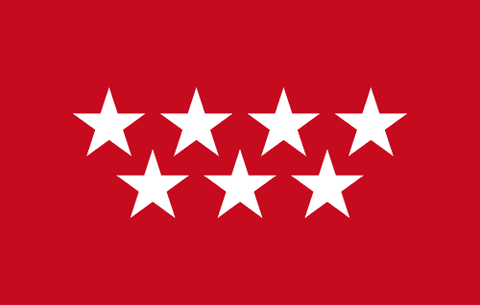
A western US state, Nevada levies no state income tax and lives on casinos, tourism and mining, with legal gambling, quick marriage and regulated prostitution in some counties.
Also close, by dimension
The most distant
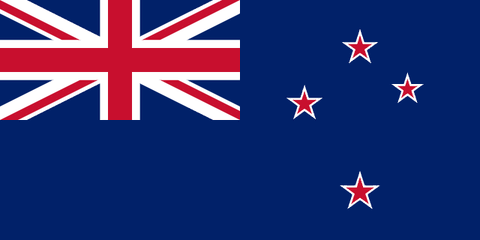
Under David Lange's Labour government and minister Roger Douglas, New Zealand privatized state firms, cut farm subsidies, opened trade and deregulated the economy, keeping democracy and its anti-nuclear policy.
Also close, by dimension
The most distant
Ideological proximity
Closest within Right
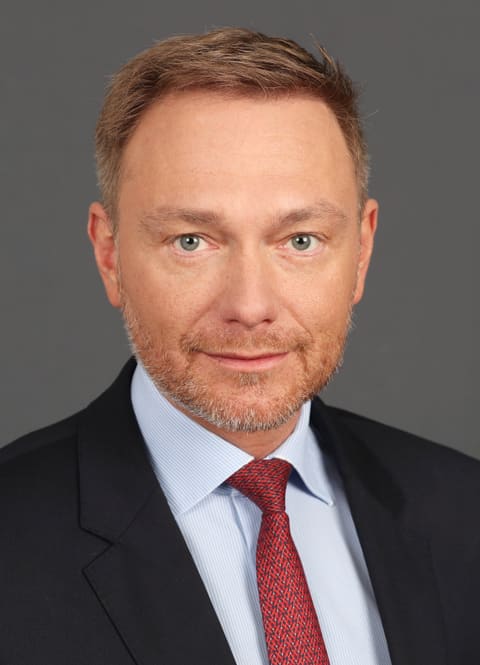
Current that advocates free markets, deregulation, privatization, and fiscal discipline, reducing the state's economic role and trusting competition and monetary stability as engines of prosperity.
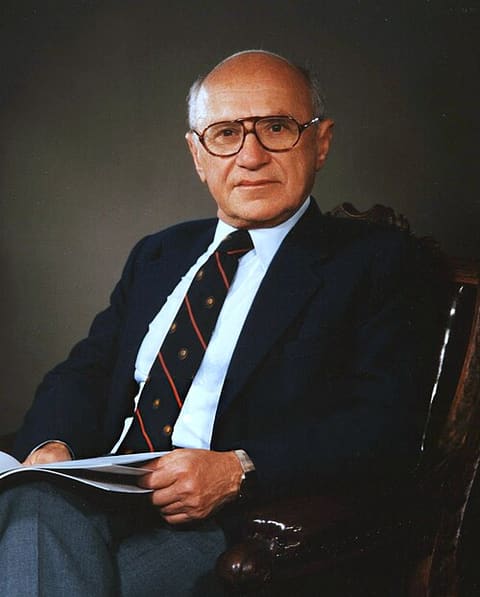
Political tradition that places individual freedom at the center, defending rights, tolerance, the rule of law, a market economy, and limits on power, with government subject to the consent of citizens.
Current that takes life itself, Bergson's élan vital and Nietzsche's will to power, as the supreme value, exalting instinct, physical vigor, creation and heroism against decadence, sickness and egalitarianism.
Closest in other spectrums
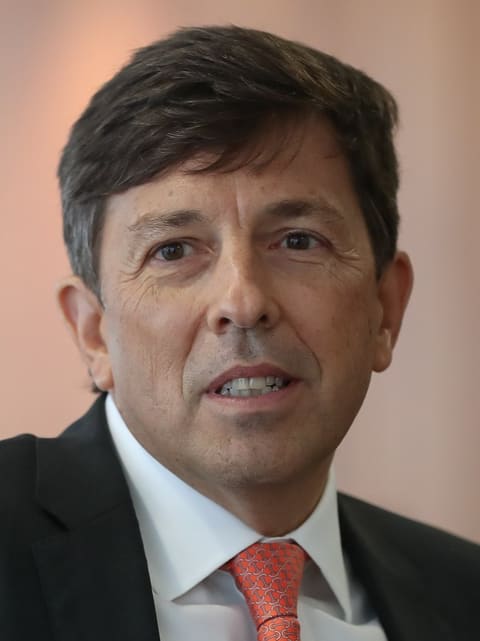
Original branch of liberalism that defends natural rights, property, free markets, and a minimal state, seeing individual freedom and the strict limitation of power as the foundations of a just society.
A movement born online in 2022 that argues for accelerating AI, energy and innovation through the market and without regulation, treating technological progress as a moral imperative and rejecting advocates of slowing down.
A world divided into independent city-states and microstates that compete like a market, with free secession, the right of exit and political experimentation, from the medieval free cities to Yarvin's "patchwork" and seasteading.
The most distant ideology
Pol Pot SocialismRadical Left23%