Conservative Social Democracy
Current that keeps the welfare state, trade unions and mixed economy, but defends family, nation, public order and restricted immigration, as in Mette Frederiksen's Danish social democracy.
Compare with…Home / Ideologies / Conservative Social Democracy
Current that keeps the welfare state, trade unions and mixed economy, but defends family, nation, public order and restricted immigration, as in Mette Frederiksen's Danish social democracy.
Compare with…In one sentence
I want a cohesive nation of family, work and firm borders, with parliamentary democracy, strong unions and universal welfare in a mixed economy.
Political axes
Leans further toward assimilation than 82% of the 276 ideologies in the catalog.
Of all the axes, Immigration is where it stands furthest from the rest.
On Geopolitics, it sits practically at the catalog median.
Here it shares common ground with most ideologies.
Analytical Summary & Scientific Audit
Conservative Social Democracy belongs to the Center political family across the 12 Axes framework. Core measured positions: Representation: 81% Democracy; Immigration: 77% Assimilation; Structure: 73% Unitary; Economy: 69% Public.
Ideology calibrated from canonical comparative Political Science literature (Heywood, Bobbio, Freeden, MARPOR and CHES).
Primary sources & scientific datasets

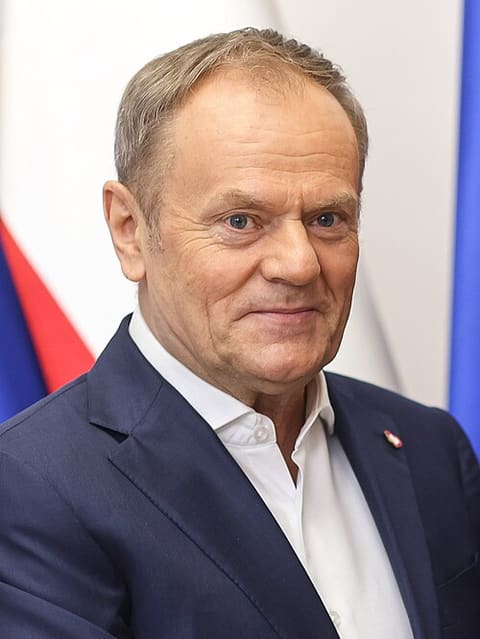
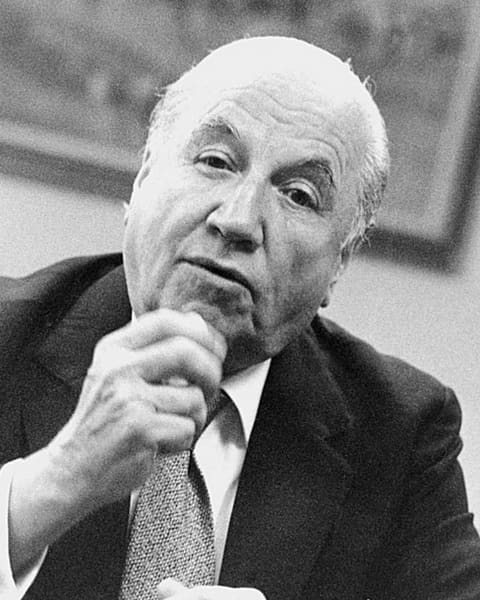
Leading figure of republican Gaullism and two-term French president, blending defense of the French social model and pragmatic privatization with assertive diplomatic independence in refusing the 2003 Iraq War.
Closest, by dimension

Other compatible profiles







The most distant
Reference country
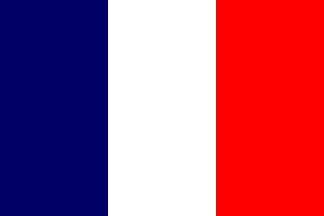
A European semi-presidential republic, France combines a strong republican and secular tradition, a robust welfare state, a mixed economy, and a prominent diplomatic, cultural, and military role in the European Union and the world.
Other close countries
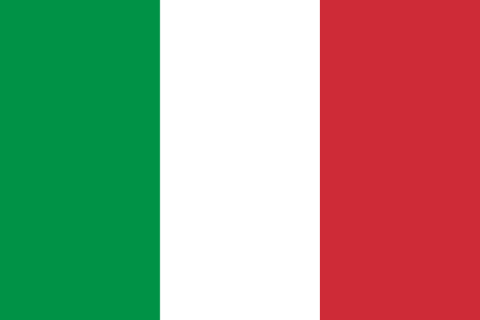
A Mediterranean parliamentary republic, Italy unites a long cultural heritage, a diversified market economy, and unstable, fragmented politics, with the recent rise of conservative and nationalist forces.
Also close, by dimension
The most distant
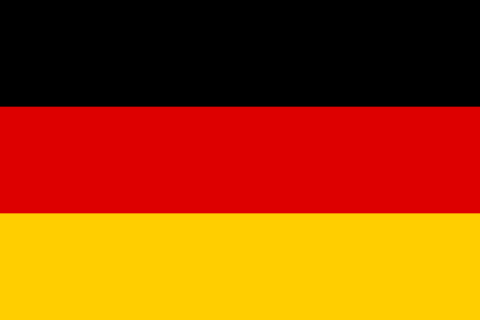
Germany's first democracy, the Weimar Republic united parliamentarism, proportional representation, and intense cultural life, but was undermined by economic crises and political instability that paved the way for Nazism.
Also close, by dimension
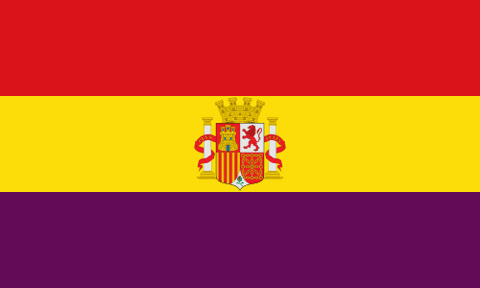
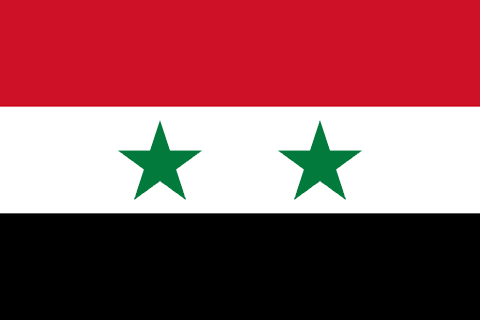
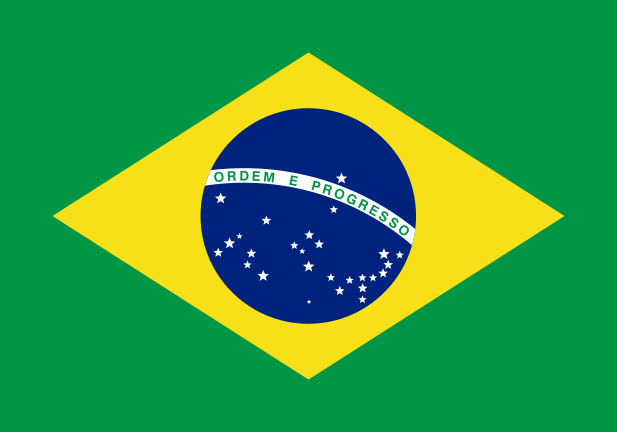
The most distant
Ideological proximity
Closest within Center
Armed neutrality that refuses alliances, interventions and foreign projection, yet sustains robust armed forces, compulsory service and prepared territorial defense, treating military strength as the guarantee of not being dragged into other nations wars.
Current that links environmental protection to national sovereignty, prioritizing the protection of the country's own natural resources and land and sustainable development within national borders.
Democratic Party current born with Franklin Roosevelt that joins financial regulation, social security, public works and strong unions with civic patriotism, preserved capitalism and international leadership.
Closest in other spectrums
Nationalism based on shared language, traditions, and heritage rather than race, which values the people's cultural identity and the integration of those who adopt these values, defending the nation's cohesion.
Current that combines popular sovereignty and democratic institutions with strong cultural nationalism, prioritizing the nation's interests and identity over supranational commitments and multiculturalism.
Conservative tradition that accepts social reforms and protection for the poorest to preserve national cohesion, seeing elites as responsible for the people's welfare and for harmony between classes.
The most distant ideology
Crypto-AnarchismLibertarian34%