Home / Countries / Latvia

National-Atlanticist parliamentary republicModern country

Latvia

A Baltic parliamentary republic, Latvia combines the EU, NATO and an open economy with defence of the Latvian language, citizenship withheld from part of the Russian-speaking minority, distrust of Russia and a Lutheran, Catholic and Orthodox society that is highly secular.

Predominant spectrum
Right
Closest ideology
Liberal Developmentalism
Closest personality
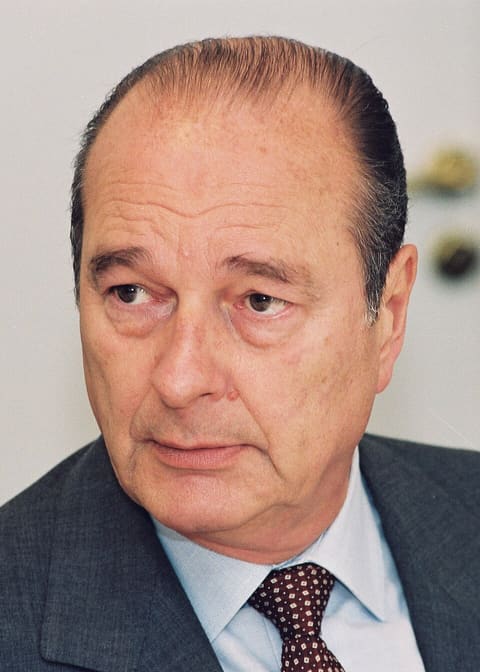
Jacques Chirac
Compare with…
Flag: Latvia

Political axes

Profile across the 13 axes

  • Structure

    Strong · Unitary
    Federal25%
    Unitary75%
  • Representation

    Strong · Democracy
    Democracy81%
    Autocracy19%
  • Power

    Balanced
    Security52%
    Liberty48%
  • Immigration

    Strong · Assimilation
    Assimilation77%
    Multiculturalism23%
  • Geopolitics

    Leaning · Militarist
    Militarist63%
    Pacifist37%
  • Sovereignty

    Balanced
    Sovereigntist51%
    Multilateralist49%
  • Economy

    Balanced
    Public48%
    Private52%
  • Control

    Balanced
    Planning45%
    Free market55%
  • Trade

    Leaning · Free trade
    Protectionism29%
    Free trade71%
  • Religion

    Leaning · Secular
    Secular59%
    Religious41%
  • Morality

    Leaning · Traditionalist
    Progressive37%
    Traditionalist63%
  • Ecology

    Balanced
    Conservation44%
    Productivism56%
  • Technoscience

    Balanced
    Acceleration54%
    Precaution46%

What sets Latvia apart

Most unusual position

Representation

Leans further toward democracy than 80% of the 320 countries and regimes in the catalog.

Country median 50Latvia 81

Of all the axes, Representation is where it stands furthest from the rest.

Most common position

Sovereignty

On Sovereignty, it sits practically at the catalog median.

Country median 51Latvia 51

Here it shares common ground with most countries.

Analytical Summary & Scientific Audit

12-Axis Synthesis & Primary Sources

Verified Methodological Grounding

Latvia exhibits a predominantly Right institutional profile on comparative datasets. Core measured traits: Representation: 81% Democracy; Immigration: 77% Assimilation; Structure: 75% Unitary; Trade: 71% Free trade.

Baseline vector referenced against comparative institutional, fiscal and trade indices (V-Dem, IMF, KOF).

Primary sources & scientific datasets