Confucianism
Doctrine that grounds political order in the ruler's virtue, ritual hierarchy and filial piety, favouring bureaucratic merit and moral education over coercive law or popular participation.
Compare with…Home / Ideologies / Confucianism
Doctrine that grounds political order in the ruler's virtue, ritual hierarchy and filial piety, favouring bureaucratic merit and moral education over coercive law or popular participation.
Compare with…In one sentence
I want an order founded on the ruler's virtue, filial piety and bureaucratic merit, not on coercive laws or votes.
Political axes
Leans further toward autocracy than 82% of the 276 ideologies in the catalog.
Of all the axes, Representation is where it stands furthest from the rest.
On Economy, it sits practically at the catalog median.
Here it shares common ground with most ideologies.
Analytical Summary & Scientific Audit
Confucianism belongs to the Right political family across the 12 Axes framework. Core measured positions: Morality: 86% Traditionalist; Trade: 81% Protectionism; Structure: 80% Unitary; Immigration: 80% Assimilation.
Ideology calibrated from canonical comparative Political Science literature (Heywood, Bobbio, Freeden, MARPOR and CHES).
Primary sources & scientific datasets
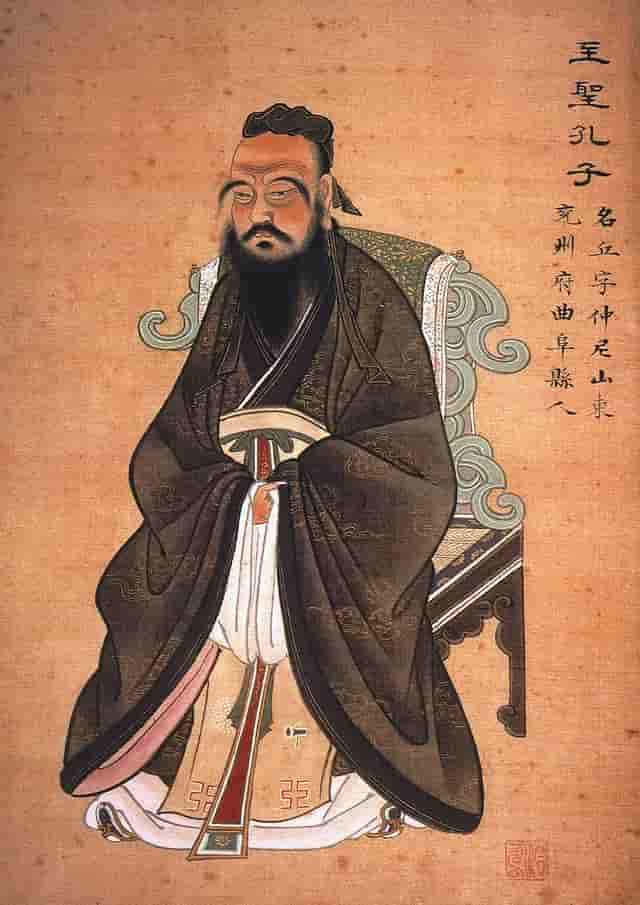
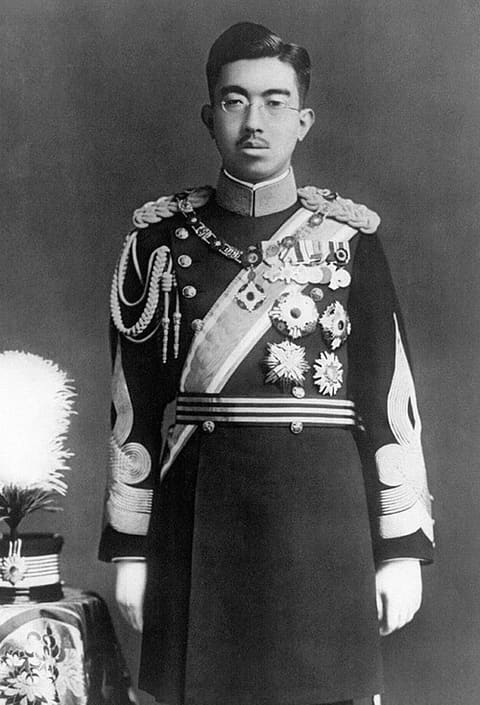
An ancient Chinese philosopher, Confucius created an ethic based on virtue, social harmony, and respect for hierarchies and traditions, shaping Chinese culture, morality, and politics for millennia.
Closest, by dimension


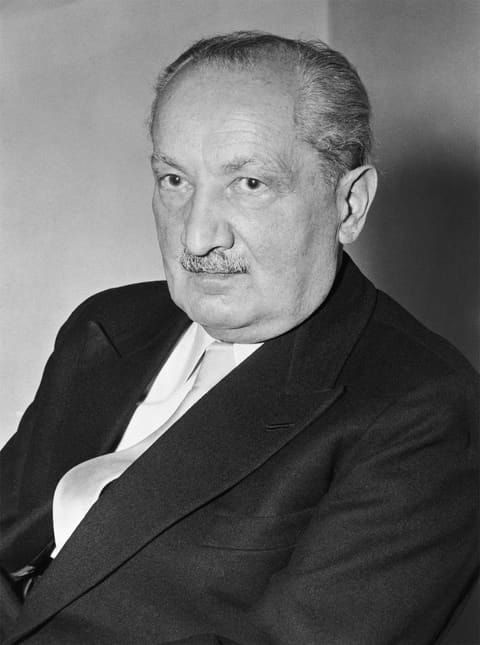
Other compatible profiles




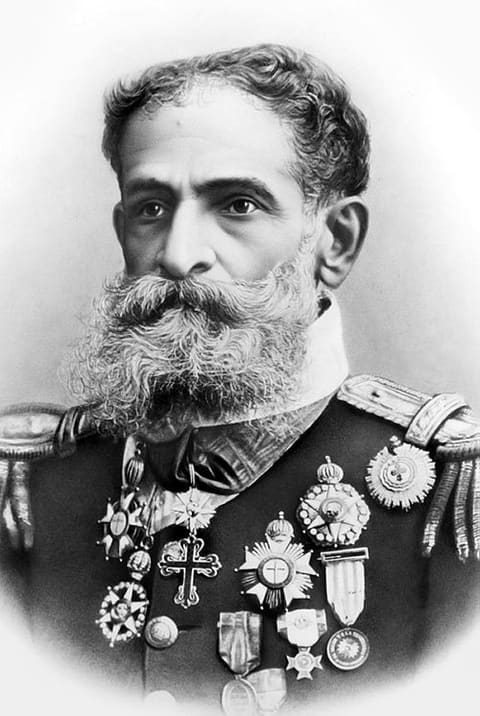
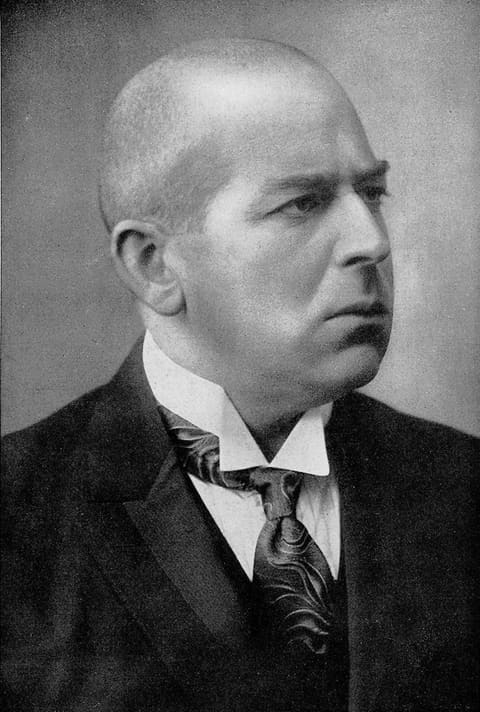

The most distant
Reference country
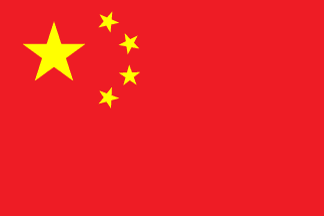
A single-party socialist state, China unites the absolute political control of the Communist Party with a state-directed market economy, becoming a global industrial, technological, and geopolitical power.
Other close countries
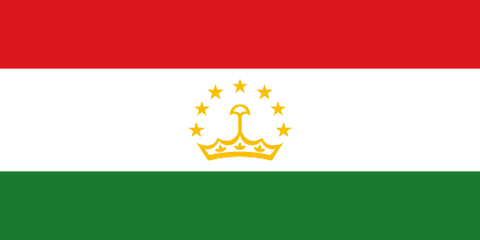
Tajikistan has been ruled by Emomali Rahmon since 1992, with power gradually passed to his son, a banned opposition, repression of Islamists and the hijab, a remittance and aluminum economy and reliance on Russia and China.
Also close, by dimension
The most distant
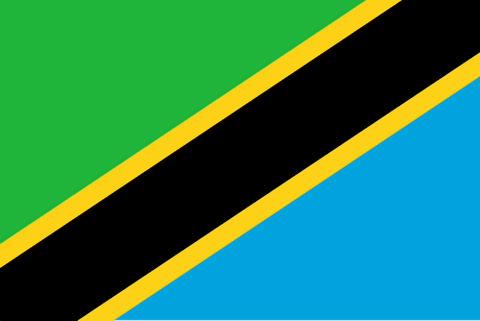
Under Julius Nyerere, Tanzania adopted ujamaa socialism, with a single party, nationalized banks and industries, collective villages, Swahili literacy and a non-aligned foreign policy.
Also close, by dimension
The most distant
Ideological proximity
Closest within Right
Doctrine of rule by the best, which entrusts power to a minority qualified by virtue, education or birth, rejecting political equality and majority rule, which it sees as a risk to competence.
Plato's political philosophy, entrusting the city's government to a philosophical elite formed by virtue and knowledge, with strong control over education, property and customs in the name of justice and social harmony.
Ideology that places the nation as the central value, defending its sovereignty, unity, and identity, and prioritizing the interests of the people and the nation-state over external influences and globalism.
Closest in other spectrums
Socrates' dialectical method, examining beliefs through rational questioning and the pursuit of virtue, distrustful of mass politics and the rhetoric of demagogues, yet respectful of the city's rule of law.
Current that builds socialism from the countryside, with a single party, collectivization into villages and cooperatives, food self-sufficiency and protection of land and forests, as in Nyerere's Ujamaa.
Current that joins radical ecology, authoritarianism and organic nationalism, defending population control, environmental preservation imposed by the state and the subordination of individual liberties to the survival of the national community.
The most distant ideology
Techno-AnarchismAnarchist9%