Home / Countries / Nyerere's Tanzania

African ujamaa socialismHistorical regime · 1964–1985

Nyerere's Tanzania

Under Julius Nyerere, Tanzania adopted ujamaa socialism, with a single party, nationalized banks and industries, collective villages, Swahili literacy and a non-aligned foreign policy.

Predominant spectrum
Third Position
Closest ideology
Socialist Conservatism
Closest personality
Julius Nyerere
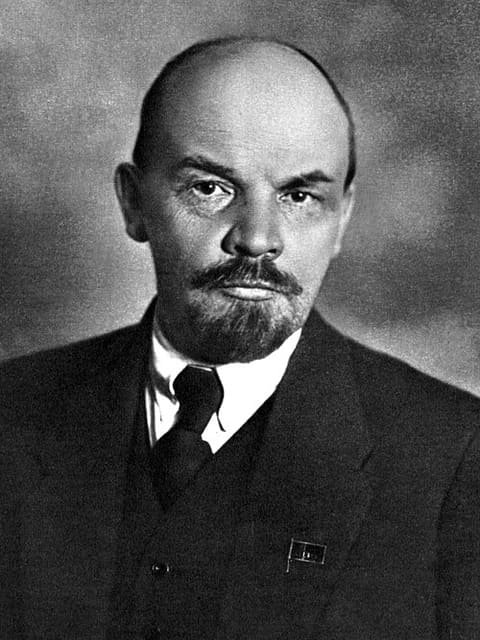
Compare with…
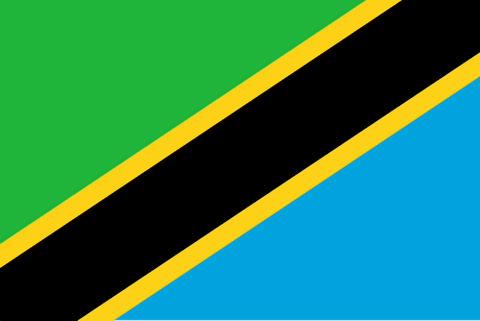
Flag: Nyerere's Tanzania

Political axes

Profile across the 13 axes

  • Structure

    Strong · Unitary
    Federal13%
    Unitary87%
  • Representation

    Leaning · Autocracy
    Democracy39%
    Autocracy61%
  • Power

    Strong · Security
    Security80%
    Liberty20%
  • Immigration

    Balanced
    Assimilation51%
    Multiculturalism49%
  • Geopolitics

    Balanced
    Militarist44%
    Pacifist56%
  • Sovereignty

    Leaning · Sovereigntist
    Sovereigntist66%
    Multilateralist34%
  • Economy

    Strong · Public
    Public85%
    Private15%
  • Control

    Very strong · Planning
    Planning89%
    Free market11%
  • Trade

    Strong · Protectionism
    Protectionism81%
    Free trade19%
  • Religion

    Balanced
    Secular54%
    Religious46%
  • Morality

    Strong · Traditionalist
    Progressive24%
    Traditionalist76%
  • Ecology

    Leaning · Productivism
    Conservation39%
    Productivism61%
  • Technoscience

    Balanced
    Acceleration48%
    Precaution52%

What sets Nyerere's Tanzania apart

Most unusual position

Trade

Leans further toward protectionism than 89% of the 320 countries and regimes in the catalog.

Country median 44Nyerere's Tanzania 81

Of all the axes, Trade is where it stands furthest from the rest.

Most common position

Ecology

On Ecology, it sits practically at the catalog median.

Country median 39Nyerere's Tanzania 39

Here it shares common ground with most countries.

Analytical Summary & Scientific Audit

12-Axis Synthesis & Primary Sources

Verified Methodological Grounding

Nyerere's Tanzania exhibits a predominantly Third Position institutional profile on comparative datasets. Core measured traits: Control: 89% Planning; Structure: 87% Unitary; Economy: 85% Public; Trade: 81% Protectionism.

Calibrated from documented institutional, fiscal and military arrangements of the historical era.

Primary sources & scientific datasets