Paleolibertarianism
Branch that combines radical free markets with traditional, conservative cultural values, defending economic freedom, property, and autonomous local communities against the state and progressivism.
Compare with…Home / Ideologies / Paleolibertarianism
Branch that combines radical free markets with traditional, conservative cultural values, defending economic freedom, property, and autonomous local communities against the state and progressivism.
Compare with…In one sentence
I want radical free markets united with traditional values, with property and autonomous local communities against the state.
Political axes
Leans further toward free market than 100% of the 276 ideologies in the catalog.
Of all the axes, Control is where it stands furthest from the rest.
On Ecology, it sits practically at the catalog median.
Here it shares common ground with most ideologies.
Analytical Summary & Scientific Audit
Paleolibertarianism belongs to the Libertarian political family across the 12 Axes framework. Core measured positions: Structure: 99% Federal; Control: 99% Free market; Power: 95% Liberty; Economy: 94% Private.
Political current calibrated from primary treatises in political philosophy and history of economic thought (SEP / HET).
Primary sources & scientific datasets

An American politician, Ron Paul popularized libertarianism in the United States, defending the minimal state, individual freedom, sound money, and a non-interventionist foreign policy against the establishment.
Closest, by dimension
Other compatible profiles




The most distant
Reference country
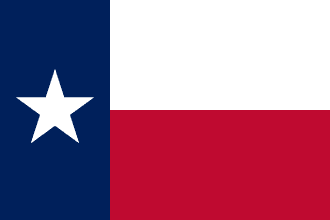
The second-largest US state, Texas stands out for its conservatism, its culture of strong individual freedom, low taxation, and a dynamic market economy tied to energy and industry.
Other close countries
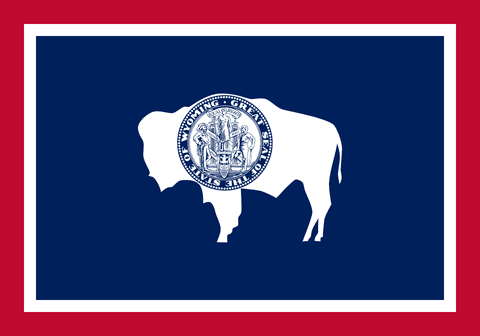
The least populous U.S. state, Wyoming levies no state income or corporate tax, bases its economy on oil, gas, and mining, and combines a strong gun culture with deep distrust of the federal government.
Also close, by dimension
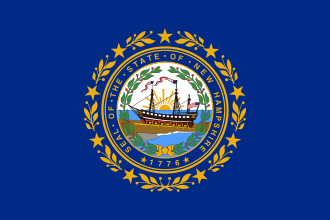
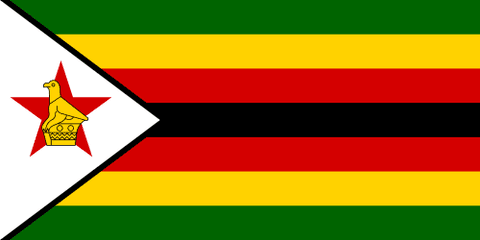

The most distant
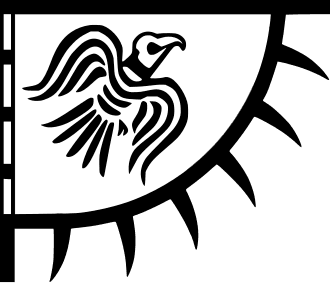
A rare society without a central state, medieval Iceland was organized by local chieftains and an assembly, the Althing, settling disputes through laws and private agreements in a decentralized system close to anarchy.
Also close, by dimension

The most distant
Ideological proximity
Closest within Libertarian
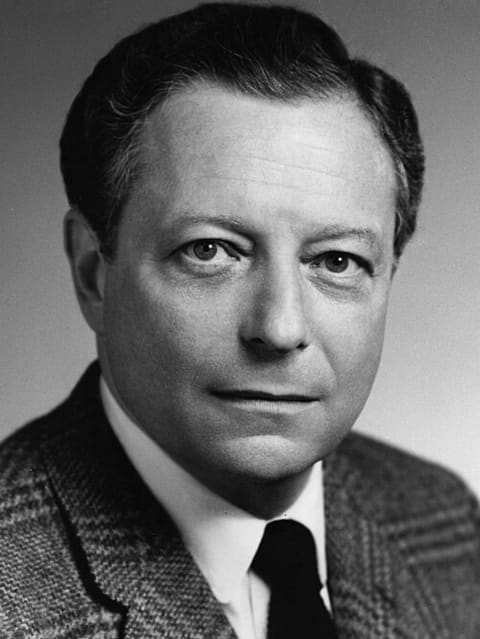
Current that rejects the state but preserves tradition, religion, and community values, defending a spontaneous social order based on customs, family, and natural authority instead of central political power.
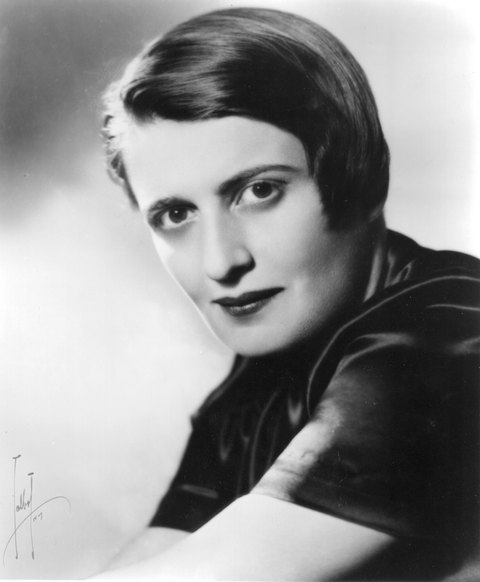
Syncretic doctrine that proposes the abolition of the state while retaining a traditional monarch without coercive power, serving as a symbol of unity, voluntary arbiter, and guardian of order against tyranny.
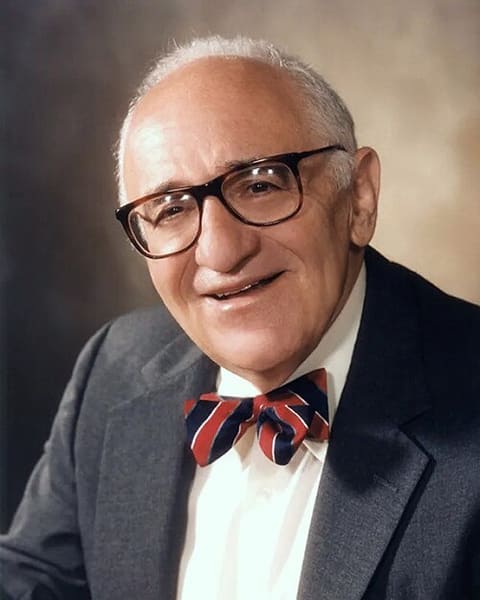
Synthesis that unites free markets and a minimal state with the defense of tradition, family, and order, valuing individual freedom and personal responsibility alongside the preservation of customs and institutions.
Closest in other spectrums
Tradition of republics made of sovereign provinces or cantons, such as the Dutch Republic and the old Swiss Confederacy, with local self-government, open trade, armed neutrality and deep-rooted Protestant faith.
Republican tradition that idealizes the small landowning farmer as the basis of civic virtue and liberty, advocating wide distribution of land, limited and decentralized government, and distrust of banks, public debt, industry and large cities.
Doctrine that organizes the state through a constitutional division of power between a central government and autonomous regional units, such as cantons or states, with their own competencies, independent courts, and mutual checks against excessive concentration of power.
The most distant ideology
Techno-SocialismRadical Left0%