Anarcho-Conservatism
Current that rejects the state but preserves tradition, religion, and community values, defending a spontaneous social order based on customs, family, and natural authority instead of central political power.
Compare with…Home / Ideologies / Anarcho-Conservatism
Current that rejects the state but preserves tradition, religion, and community values, defending a spontaneous social order based on customs, family, and natural authority instead of central political power.
Compare with…In one sentence
I want to abolish central political power and live under custom, family and natural authority, in a spontaneous order that preserves tradition and faith.
Political axes
Leans further toward federal than 98% of the 276 ideologies in the catalog.
Of all the axes, Structure is where it stands furthest from the rest.
On Representation, it sits close to the catalog median.
Here it shares common ground with most ideologies.
Analytical Summary & Scientific Audit
Anarcho-Conservatism belongs to the Libertarian political family across the 12 Axes framework. Core measured positions: Structure: 99% Federal; Control: 98% Free market; Economy: 96% Private; Morality: 93% Traditionalist.
Political current calibrated from primary treatises in political philosophy and history of economic thought (SEP / HET).
Primary sources & scientific datasets

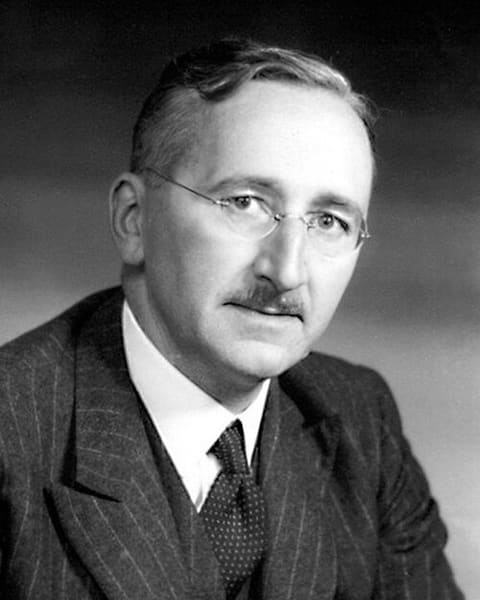
A German economist, Hoppe radicalized anarcho-capitalism, defending absolute private property and criticizing democracy as a system that erodes freedom, proposing social orders based on voluntary contract.
Closest, by dimension

Other compatible profiles



The most distant
Reference country
A rare society without a central state, medieval Iceland was organized by local chieftains and an assembly, the Althing, settling disputes through laws and private agreements in a decentralized system close to anarchy.
Other close countries
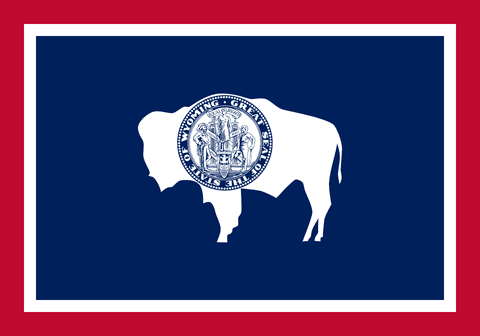
The least populous U.S. state, Wyoming levies no state income or corporate tax, bases its economy on oil, gas, and mining, and combines a strong gun culture with deep distrust of the federal government.
Also close, by dimension
The most distant
A rare society without a central state, medieval Iceland was organized by local chieftains and an assembly, the Althing, settling disputes through laws and private agreements in a decentralized system close to anarchy.
Also close, by dimension
The most distant
Ideological proximity
Closest within Libertarian
Syncretic doctrine that proposes the abolition of the state while retaining a traditional monarch without coercive power, serving as a symbol of unity, voluntary arbiter, and guardian of order against tyranny.
Branch that combines radical free markets with traditional, conservative cultural values, defending economic freedom, property, and autonomous local communities against the state and progressivism.
Synthesis that unites free markets and a minimal state with the defense of tradition, family, and order, valuing individual freedom and personal responsibility alongside the preservation of customs and institutions.
Closest in other spectrums
Tradition of republics made of sovereign provinces or cantons, such as the Dutch Republic and the old Swiss Confederacy, with local self-government, open trade, armed neutrality and deep-rooted Protestant faith.
Political tradition of the nineteenth-century American South tied to the Confederacy, defending states' rights and secession, an agrarian, patriarchal and Christian society, free trade and a military tradition. Historically, this tradition also defended slavery and racial hierarchy.
Doctrine that organizes the state through a constitutional division of power between a central government and autonomous regional units, such as cantons or states, with their own competencies, independent courts, and mutual checks against excessive concentration of power.
The most distant ideology
Techno-SocialismRadical Left0%