Socialist Conservatism
Current that unites a socialist economy with traditional values, defending social protection and a strong state role alongside family, order, and customs, far from the cultural progressivism of liberal lefts.
Compare with…Home / Ideologies / Socialist Conservatism
Current that unites a socialist economy with traditional values, defending social protection and a strong state role alongside family, order, and customs, far from the cultural progressivism of liberal lefts.
Compare with…In one sentence
I want a strong state that guarantees social protection and public industry, but guards family, order and customs against cultural progressivism.
Political axes
Leans further toward religious than 80% of the 276 ideologies in the catalog.
Of all the axes, Religion is where it stands furthest from the rest.
On Ecology, it sits practically at the catalog median.
Here it shares common ground with most ideologies.
Analytical Summary & Scientific Audit
Socialist Conservatism belongs to the Third Position political family across the 12 Axes framework. Core measured positions: Control: 91% Planning; Economy: 90% Public; Structure: 88% Unitary; Power: 83% Security.
Historical or radical ideology calibrated from comparative regime historiography and political thought literature (SEP / OpenAlex).
Primary sources & scientific datasets
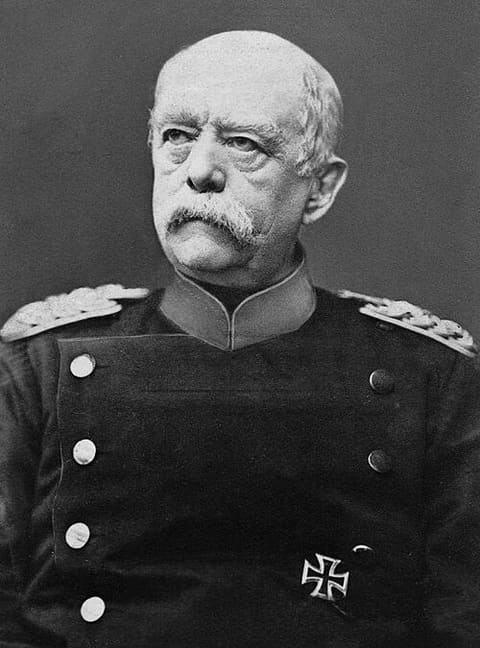
The unifier of Germany, Bismarck created the first modern welfare state, using conservative social reforms to contain socialism and strengthen order, and steered European diplomacy for decades.
Closest, by dimension

Other compatible profiles


The most distant
Reference country
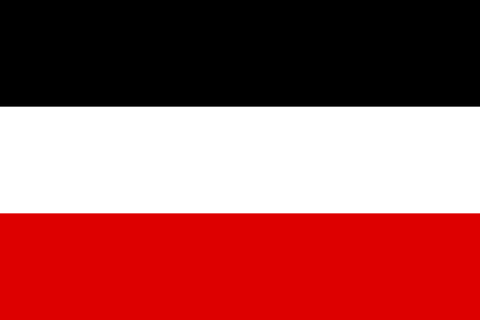
The German imperial state from 1871 to 1918 united Prussian-led federalism, limited constitutional monarchy, male suffrage for the Reichstag, strong Kaiser and chancellor authority, rapid industrialization, militarism, and the foreign policy of a rising power.
Other close countries
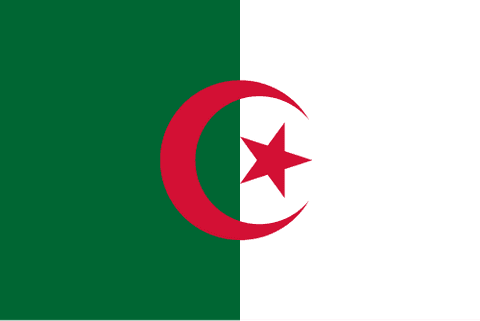
Born from the war of independence against France, Algeria is an army-dominated republic with Islam as the state religion, a state-run economy dependent on oil and gas, a non-aligned foreign policy and repression of the Hirak movement.
Also close, by dimension
The most distant
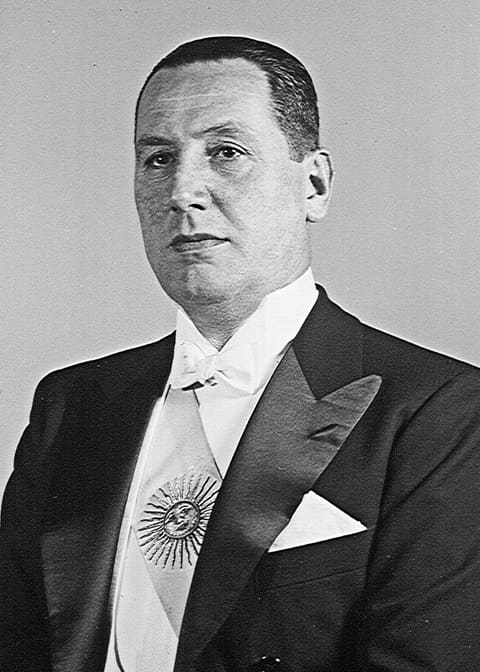
Under Perón, Argentina experienced a populist, nationalist regime that united strong working-class support, corporatism, industrialization, and the expansion of social rights, leaving a lasting mark on the country's politics.
Also close, by dimension
The most distant
Ideological proximity
Closest within Third Position
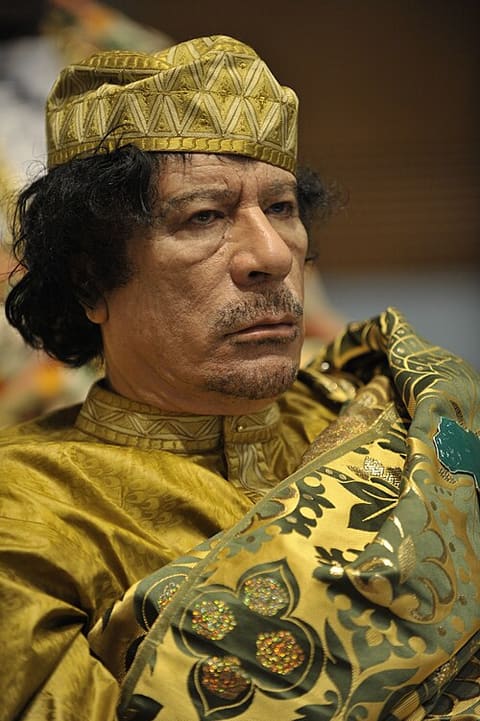
Current grounding socialism in Islamic principles such as zakat, the ban on usury and Quranic social justice, combining anti-imperialism with a state-run economy, from Gaddafi's Third Universal Theory to Ali Shariati's thought.
Justicialist doctrine of Juan and Eva Perón uniting political sovereignty, economic independence and social justice, with CGT unions, nationalizations, protected industrialization, social Catholicism and a charismatic leader above parties.
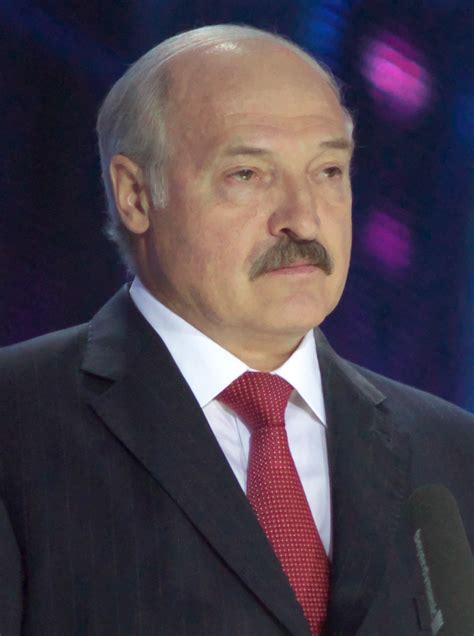
Current that joins a state-run socialist economy and a strong party with patriotism, the traditional family, religion as national heritage and rejection of cultural progressivism, seeing identity politics as a liberal distraction from class struggle.
Closest in other spectrums
Plato's political philosophy, entrusting the city's government to a philosophical elite formed by virtue and knowledge, with strong control over education, property and customs in the name of justice and social harmony.
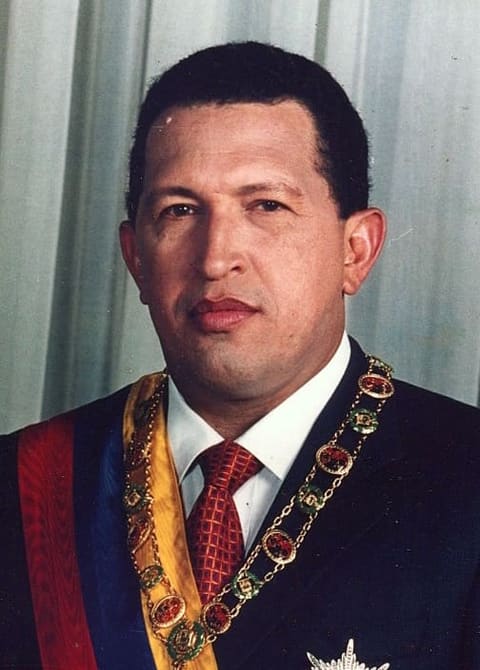
Latin American project that combines popular nationalism, anti-imperialism, social redistribution, and strong presidential leadership, using the state and strategic resources to promote sovereignty and popular inclusion.
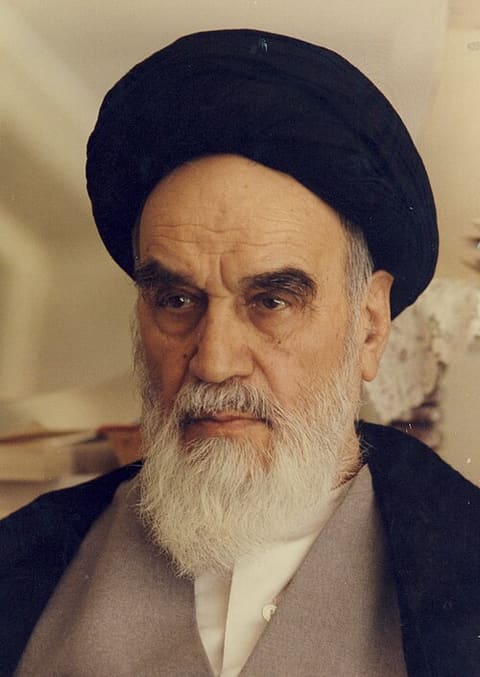
A doctrine that hands the state to the Islamic clergy and makes sharia the supreme law, above popular sovereignty, as in Khomeini's guardianship of the jurist (velayat-e faqih) in Iran and the Taliban emirate in Afghanistan.
The most distant ideology
PaleolibertarianismLibertarian0%