Alt-Lite
Branch of the radical right that is nationalist and anti-globalist, emphasizing cultural identity, criticism of immigration and opposition to political correctness, without adopting race-based positions.
Compare with…Home / Ideologies / Alt-Lite
Branch of the radical right that is nationalist and anti-globalist, emphasizing cultural identity, criticism of immigration and opposition to political correctness, without adopting race-based positions.
Compare with…In one sentence
I want to preserve my people's cultural identity, with immigration controls and free speech against political correctness.
Political axes
Leans further toward religious than 83% of the 276 ideologies in the catalog.
Of all the axes, Religion is where it stands furthest from the rest.
On Structure, it sits practically at the catalog median.
Here it shares common ground with most ideologies.
Analytical Summary & Scientific Audit
Alt-Lite belongs to the Right political family across the 12 Axes framework. Core measured positions: Morality: 86% Traditionalist; Immigration: 85% Assimilation; Trade: 83% Protectionism; Religion: 83% Religious.
Ideology calibrated from canonical comparative Political Science literature (Heywood, Bobbio, Freeden, MARPOR and CHES).
Primary sources & scientific datasets
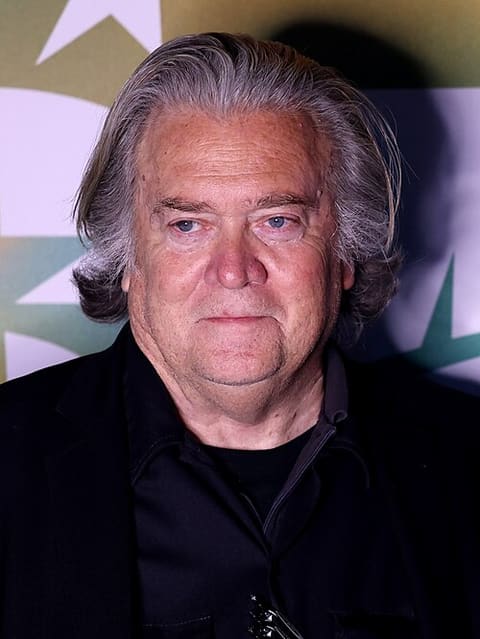
An American political strategist, Bannon articulated right-wing national populism, pitting globalist elites against an economic, cultural, and sovereigntist nationalism that influenced populist campaigns around the world.
Closest, by dimension

Other compatible profiles







The most distant
Reference country
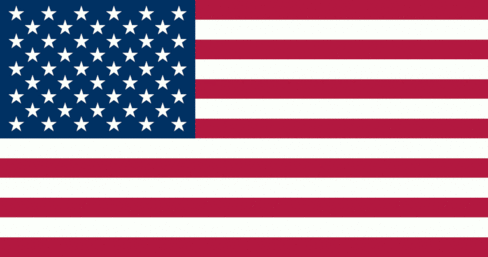
A global power and presidential federal republic, the United States combines a strong liberal tradition, a dynamic market economy, technological innovation, and a two-party system that polarizes national political life.
Other close countries
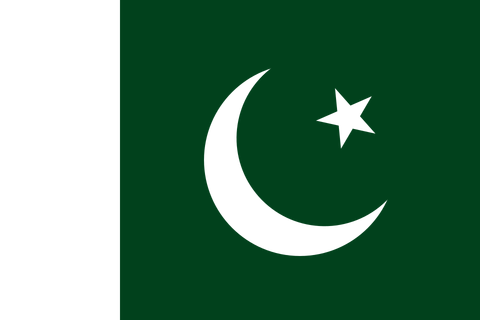
A parliamentary Islamic republic and nuclear power, Pakistan alternates civilian governments with strong army tutelage, with sharia-inspired laws, a mixed economy dependent on foreign aid, and a permanent rivalry with India.
Also close, by dimension
The most distant
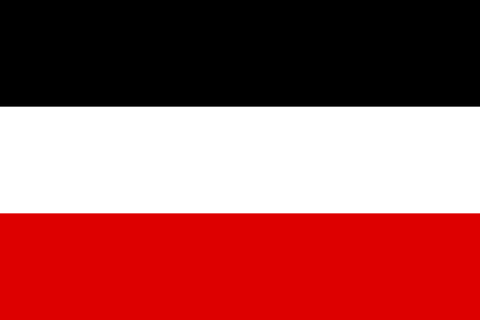
The German imperial state from 1871 to 1918 united Prussian-led federalism, limited constitutional monarchy, male suffrage for the Reichstag, strong Kaiser and chancellor authority, rapid industrialization, militarism, and the foreign policy of a rising power.
Also close, by dimension
The most distant
Ideological proximity
Closest within Right
Current that mobilizes the people against political and cultural elites, combining nationalism, immigration restriction, traditional values, public religion, strong security, and anti-establishment economic pragmatism around personalist leaders.
Current that unites traditional values, family, and religion with strong cultural nationalism, defending sovereignty, borders, and the people's identity within democracy, with clear distrust of globalism.
Platform of the Republican Party, combining border security and deportations, tariffs and industrial protectionism, tax cuts and deregulation, gun rights, Christian values and returning abortion to the states.
Closest in other spectrums
A doctrine coined by Guillaume Faye that fuses archaic, hierarchical and traditionalist values — ethnic identity, spirituality and a warrior ethos — with an unreserved embrace of advanced technology, arguing that an approaching civilizational collapse will force humanity to combine tribal social order with hyper-modern science.
Radical right movement born on the internet, combining identitarian nationalism, opposition to immigration and multiculturalism, criticism of globalism and provocative rhetoric. Part of its voices defend a nationalism based on race.
Model that organizes society into corporations of workers and employers integrated into the state, seeking harmony between classes and directed economic cooperation instead of conflict or free competition.
The most distant ideology
Techno-CommunismAnarchist2%