Authoritarian Capitalism
Model that combines a market economy and private property with a closed political regime, in which the state guarantees order, growth, and stability while restricting civil liberties and political competition.
Compare with…Home / Ideologies / Authoritarian Capitalism
Model that combines a market economy and private property with a closed political regime, in which the state guarantees order, growth, and stability while restricting civil liberties and political competition.
Compare with…In one sentence
I want a market economy with private property, under a closed state that guarantees order and growth by restricting political competition.
Political axes
Leans further toward autocracy than 90% of the 276 ideologies in the catalog.
Of all the axes, Representation is where it stands furthest from the rest.
On Control, it sits close to the catalog median.
Here it shares common ground with most ideologies.
Analytical Summary & Scientific Audit
Authoritarian Capitalism belongs to the Far-Right political family across the 12 Axes framework. Core measured positions: Power: 88% Security; Structure: 86% Unitary; Representation: 86% Autocracy; Morality: 85% Traditionalist.
Historical or radical ideology calibrated from comparative regime historiography and political thought literature (SEP / OpenAlex).
Primary sources & scientific datasets
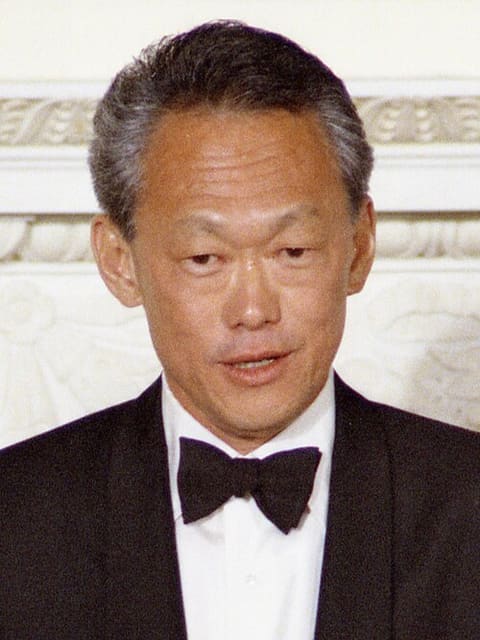
Founder of Singapore, Lee Kuan Yew transformed the city-state into a model of authoritarian capitalism, uniting open markets, technocratic meritocracy, strict order, and heavily restricted political freedoms.
Closest, by dimension
Other compatible profiles
The most distant
Reference country
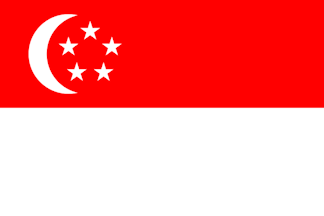
An Asian city-state, Singapore is a parliamentary republic dominated by a single party, combining open capitalism, efficient technocratic management, strict order, and limited political freedoms in the name of progress.
Other close countries
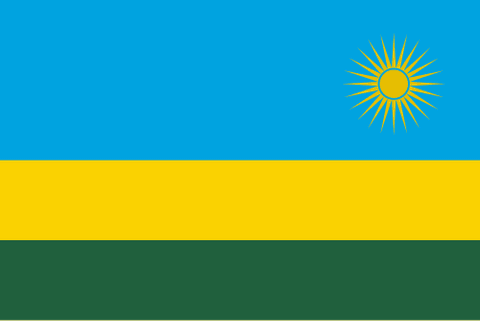
An authoritarian developmental state under Paul Kagame since 2000, Rwanda rebuilt after the 1994 genocide, bans ethnic discourse, restricts the opposition, grows with a tech focus and, per the UN, backs the M23 in Congo.
Also close, by dimension
The most distant
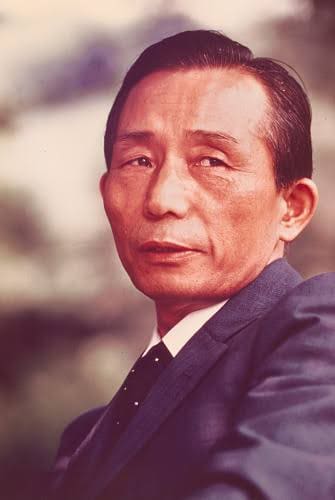
Under Park Chung Hee, South Korea combined military-authoritarian rule, rigid anti-communism, social discipline, and state planning aimed at export-led industrialization, building the major chaebols and preparing the country's technological rise.
Also close, by dimension
The most distant
Ideological proximity
Closest within Far-Right
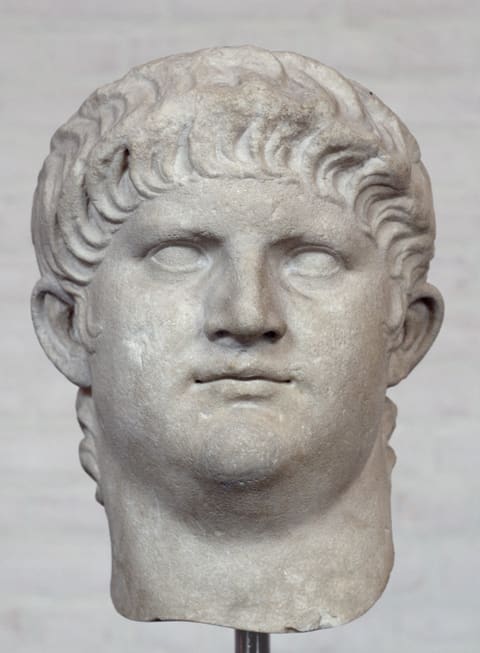
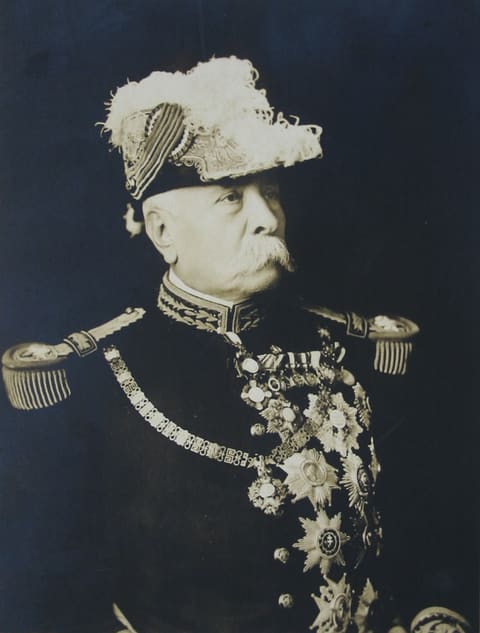
Caesarist current that legitimises a charismatic leader by plebiscite above parties, combining personal authority, bureaucratic centralisation, military mobilisation and state-led modernising reforms.
A doctrine coined by Guillaume Faye that fuses archaic, hierarchical and traditionalist values — ethnic identity, spirituality and a warrior ethos — with an unreserved embrace of advanced technology, arguing that an approaching civilizational collapse will force humanity to combine tribal social order with hyper-modern science.
Regime centered on the armed forces as the core of political power, governing by junta or military hierarchy, with centralization, discipline, a high value on order and expansionism, and civilian politics subordinate to military command.
Closest in other spectrums
Current that joins the totalitarian authoritarianism of fascism to digital surveillance, artificial intelligence and technological control of the population, using technique to secure order and national unity.
Model inspired by Park Chung-hee's regime, combining state-led industrialization, credit for private firms, and planning with anti-communist political repression.
Model that entrusts the management of the state and the economy to experts and technological efficiency, combining markets, innovation, and technical decisions instead of political deliberation and traditional party competition.
The most distant ideology
Techno-AnarchismAnarchist0%