Religious Fundamentalism
Project that seeks to organize state and society according to the strict interpretation of a religious doctrine, subordinating laws, customs, and politics to sacred precepts and rejecting modern secularism.
Compare with…Home / Ideologies / Religious Fundamentalism
Project that seeks to organize state and society according to the strict interpretation of a religious doctrine, subordinating laws, customs, and politics to sacred precepts and rejecting modern secularism.
Compare with…In one sentence
I want a state subordinated to sacred law, where customs and politics obey religious doctrine and reject secularism.
Political axes
Leans further toward religious than 97% of the 276 ideologies in the catalog.
Of all the axes, Religion is where it stands furthest from the rest.
On Economy, it sits practically at the catalog median.
Here it shares common ground with most ideologies.
Analytical Summary & Scientific Audit
Religious Fundamentalism belongs to the Far-Right political family across the 12 Axes framework. Core measured positions: Religion: 99% Religious; Morality: 95% Traditionalist; Structure: 90% Unitary; Immigration: 89% Assimilation.
Historical or radical ideology calibrated from comparative regime historiography and political thought literature (SEP / OpenAlex).
Primary sources & scientific datasets
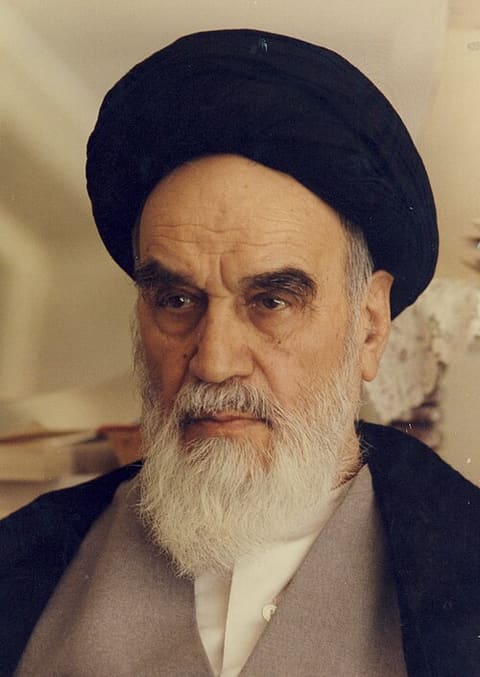
Leader of the 1979 Iranian Revolution, Khomeini created the Islamic republic and instituted the rule of the religious jurist, fusing theocracy and state and transforming Iran into a revolutionary power of Shia Islam.
Closest, by dimension

Other compatible profiles



The most distant
Reference country
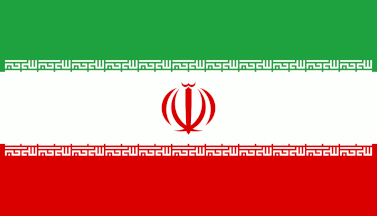
A theocratic Islamic republic, Iran combines elected institutions with the supreme authority of the clerics, under the rule of the religious jurist, a state-controlled economy, and strong regional projection in the Middle East.
Other close countries
A theocratic Islamic republic, Iran combines elected institutions with the supreme authority of the clerics, under the rule of the religious jurist, a state-controlled economy, and strong regional projection in the Middle East.
Also close, by dimension


The most distant
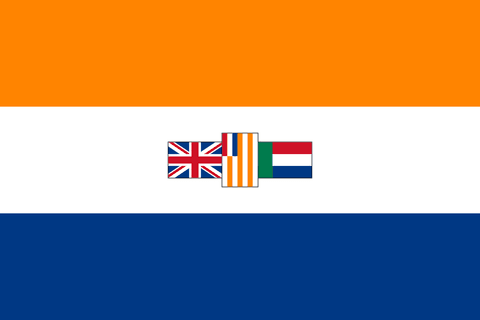
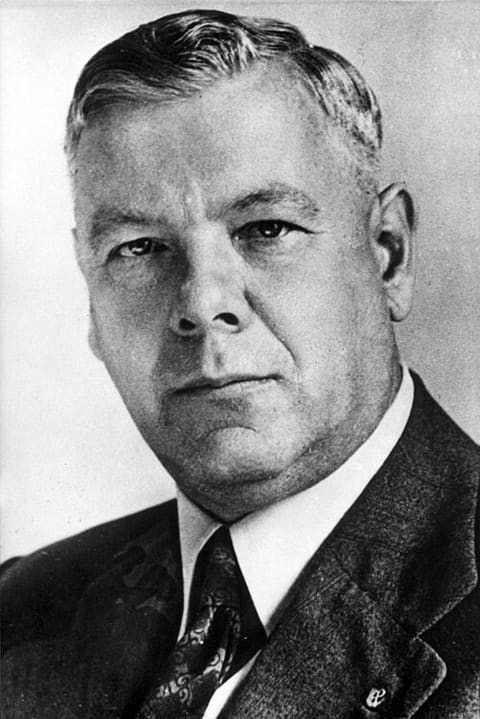
A regime of institutional racial segregation, apartheid South Africa denied rights to the Black majority and concentrated power in the white minority, with separation laws that provoked strong internal resistance and sanctions.
Also close, by dimension
The most distant
Ideological proximity
Closest within Far-Right
Current that preserves order, tradition, and hierarchy through a strong state, restricting freedoms and political participation in the name of social stability, morality, religion, and established authority.
Christian theocratist doctrine that subordinates political power to religious authority, holding that divine law and the Church should govern the state and customs, from medieval and papal ultramontanism to modern reconstructionist projects.
Defense of monarchy with unlimited power concentrated in the sovereign, legitimized by tradition or divine right, without a constitution or parliament to restrict the king's authority over state and society.
Closest in other spectrums
Authoritarian nationalist movement that arose in 1930s Brazil, Christian and corporatist, with the motto God, Fatherland and Family, a mass aesthetic and opposition to liberalism and communism.
Nationalist and syndicalist current that rejects liberalism and Marxism, advocating national unity, corporatist organization of labor, authoritarian social justice, and popular mobilization around the state.
Theory by Aleksandr Dugin that rejects liberalism, communism, and fascism and proposes a multipolar world founded on civilizations, tradition, and collective identity, opposing globalism and Western hegemony.
The most distant ideology
Techno-CommunismAnarchist0%