Progressive Liberalism
Current that unites market capitalism and globalized trade with a robust welfare state, advocating progressive morality, secularism, and democratic institutions, in the Nordic social model.
Compare with…Home / Ideologies / Progressive Liberalism
Current that unites market capitalism and globalized trade with a robust welfare state, advocating progressive morality, secularism, and democratic institutions, in the Nordic social model.
Compare with…In one sentence
I want the Nordic model: a market open to global trade sustaining a robust welfare state, secular and progressive in customs.
Political axes
Leans further toward progressive than 91% of the 276 ideologies in the catalog.
Of all the axes, Morality is where it stands furthest from the rest.
On Economy, it sits practically at the catalog median.
Here it shares common ground with most ideologies.
Analytical Summary & Scientific Audit
Progressive Liberalism belongs to the Left political family across the 12 Axes framework. Core measured positions: Morality: 84% Progressive; Religion: 81% Secular; Representation: 80% Democracy; Immigration: 79% Multiculturalism.
Ideology calibrated from canonical comparative Political Science literature (Heywood, Bobbio, Freeden, MARPOR and CHES).
Primary sources & scientific datasets
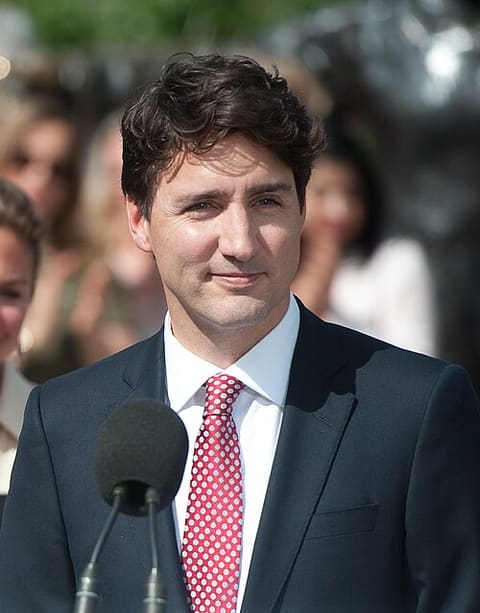
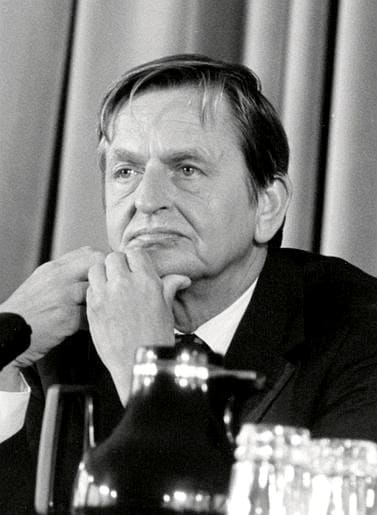
Prime Minister of Canada (2015–2025) for the Liberal Party, Trudeau promoted multiculturalism, welcoming immigrants and refugees, progressive gender and environmental policies, and a centrist governing style backed by strong state social intervention.
Closest, by dimension
Other compatible profiles



The most distant
Reference country
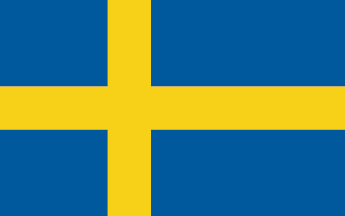
A Nordic parliamentary monarchy, Sweden is a benchmark of social democracy, with a broad welfare state, high taxes, strong social equality, and an open, innovative market economy combined with progressive values.
Other close countries
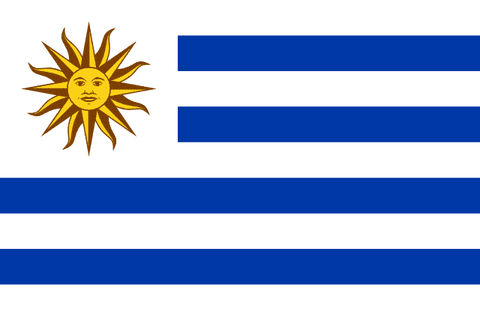
A South American presidential republic, Uruguay is recognized for solid democracy, strong secularism, broad social rights, and progressive policies, pairing institutional stability with a market economy.
Also close, by dimension
The most distant
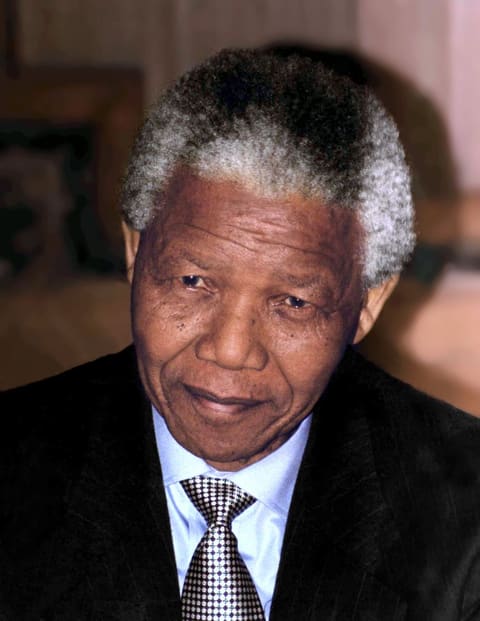
Post-apartheid transition under Nelson Mandela: first multiracial elections, a government of national unity, the 1996 Constitution, the Truth and Reconciliation Commission and moderately liberal economic policy.
Also close, by dimension


The most distant
Ideological proximity
Closest within Left
Synthesis of Georgism and socialism advocating the socialization of economic rent from land and natural monopolies to fund universal public services and a citizen dividend.
Doctrine proposing a democratic and federated global political order where citizens and nations deliberate jointly through multilateral representative institutions and lawful cooperation.
Current that advocates social reforms and the expansion of rights to promote equality and justice, trusting progress, science, and collective action to transform institutions and overcome inequalities.
Closest in other spectrums
Nationalism based on citizenship and shared values rather than ethnicity, defining the nation by adherence to common laws and institutions, open to all who accept its democratic and civic principles.
Current that unites individual freedom, markets, and democracy with the ecological agenda, defending sustainability, rights, and innovation to reconcile economic prosperity with effective environmental protection.
Eighteenth-century European intellectual movement that champions reason, science and tolerance against superstition and absolutism, with natural rights, separation of powers, education and progress as the basis of society.
The most distant ideology
ColonialismFar-Right23%