Colonialism
System in which a metropole rules distant territories and peoples to settle them and extract wealth, imposing an exclusive trade pact, compulsory labor and hierarchy under the pretext of a civilizing or religious mission.
Compare with…Home / Ideologies / Colonialism
System in which a metropole rules distant territories and peoples to settle them and extract wealth, imposing an exclusive trade pact, compulsory labor and hierarchy under the pretext of a civilizing or religious mission.
Compare with…In one sentence
I want a metropole that settles and rules colonies through appointed governors, with an exclusive trade pact, compulsory labor and a civilizing mission.
Political axes
Leans further toward religious than 98% of the 276 ideologies in the catalog.
Of all the axes, Religion is where it stands furthest from the rest.
On Control, it sits close to the catalog median.
Here it shares common ground with most ideologies.
Analytical Summary & Scientific Audit
Colonialism belongs to the Far-Right political family across the 12 Axes framework. Core measured positions: Religion: 99% Religious; Morality: 94% Traditionalist; Structure: 91% Unitary; Geopolitics: 89% Militarist.
Historical or radical ideology calibrated from comparative regime historiography and political thought literature (SEP / OpenAlex).
Primary sources & scientific datasets
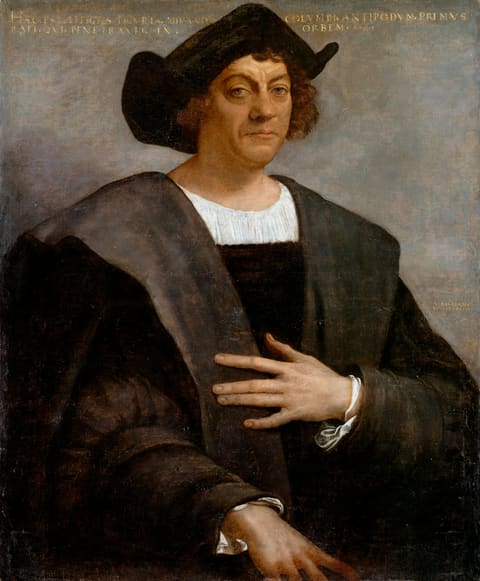
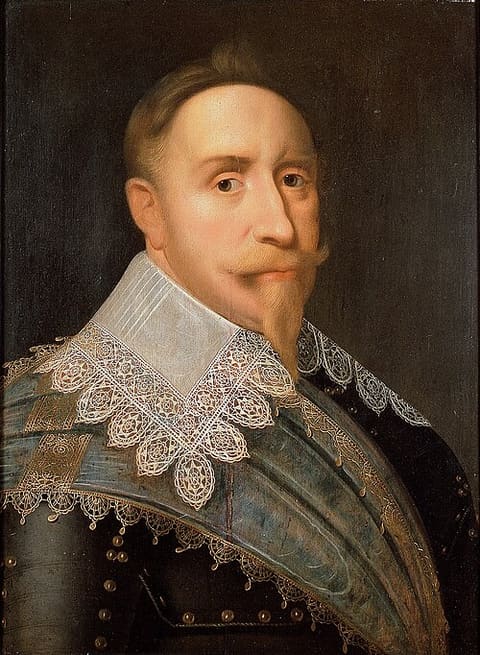
A Genoese navigator sailing for the Catholic Monarchs, he reached the Americas in 1492 seeking a trade route to the Indies. As colonial governor, he enslaved indigenous people in pursuit of gold and was arrested and sent to Spain in chains for abuses of power.
Closest, by dimension

Other compatible profiles




The most distant
Reference country
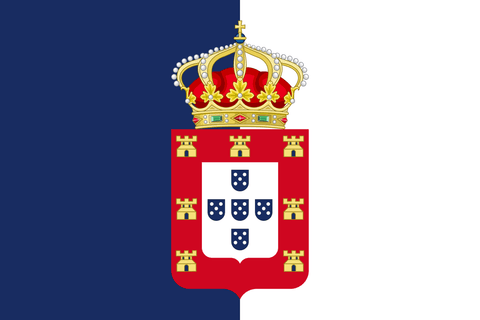
The first and longest-lasting of the European colonial empires (1415–1822), it united absolute monarchy, militant Catholicism, and global thalassocracy, carrying Christian faith, language, and Portuguese administration from the Americas to Africa, India, and Asia.
Other close countries
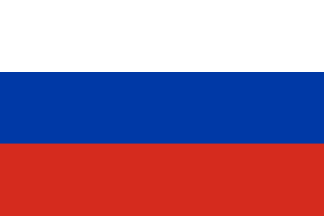
A Eurasian presidential republic, Russia concentrates power in an authoritarian, nationalist regime, with an economy dependent on natural resources, a strong military apparatus, and a foreign policy of confrontation with the West.
Also close, by dimension
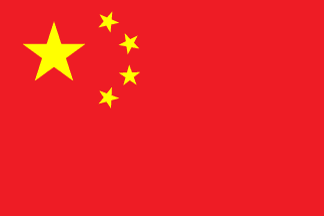
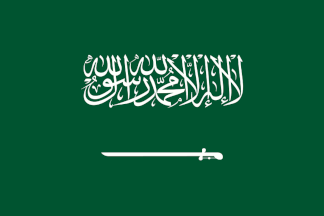
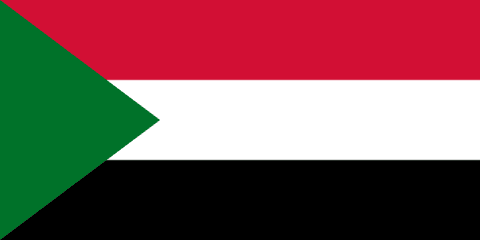
The most distant
The Japanese imperial regime of the early 20th century combined sacred monarchy, militarism, accelerated industrialization, expansionist nationalism, and strong social discipline until its defeat in World War II.
Also close, by dimension
The most distant
Ideological proximity
Closest within Far-Right
Current that preserves order, tradition, and hierarchy through a strong state, restricting freedoms and political participation in the name of social stability, morality, religion, and established authority.
System that unites free enterprise with strong protectionism and state direction, prioritizing industry, jobs, and national sovereignty over global free trade and unchecked foreign capital.
Conception that defines the nation by shared origin, language and descent, defending a state for the majority ethnic group and the preservation of its identity, which usually implies membership criteria tied to ancestry.
Closest in other spectrums
German variant of fascism based on racism, antisemitism, and expansionism, which united totalitarianism, the cult of Hitler, and the idea of a superior race, culminating in World War II and the Holocaust.
Nationalist and syndicalist current that rejects liberalism and Marxism, advocating national unity, corporatist organization of labor, authoritarian social justice, and popular mobilization around the state.
Authoritarian nationalist movement that arose in 1930s Brazil, Christian and corporatist, with the motto God, Fatherland and Family, a mass aesthetic and opposition to liberalism and communism.
The most distant ideology
Techno-CommunismAnarchist0%