Libertarian Monarchism
Current that sees monarchy as a guarantee of freedom and stability, defending a king with limited power who protects property and individual rights and maintains a lean, minimally interventionist state.
Compare with…Home / Ideologies / Libertarian Monarchism
Current that sees monarchy as a guarantee of freedom and stability, defending a king with limited power who protects property and individual rights and maintains a lean, minimally interventionist state.
Compare with…In one sentence
I want a king of limited power who guarantees property and individual rights, keeping the state lean and out of people's lives.
Political axes
Leans further toward free market than 95% of the 276 ideologies in the catalog.
Of all the axes, Control is where it stands furthest from the rest.
On Immigration, it sits close to the catalog median.
Here it shares common ground with most ideologies.
Analytical Summary & Scientific Audit
Libertarian Monarchism belongs to the Libertarian political family across the 12 Axes framework. Core measured positions: Control: 94% Free market; Power: 93% Liberty; Economy: 91% Private; Trade: 88% Free trade.
Political current calibrated from primary treatises in political philosophy and history of economic thought (SEP / HET).
Primary sources & scientific datasets
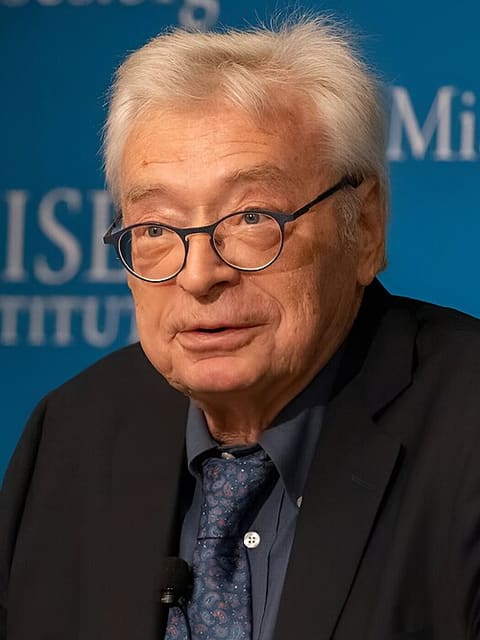
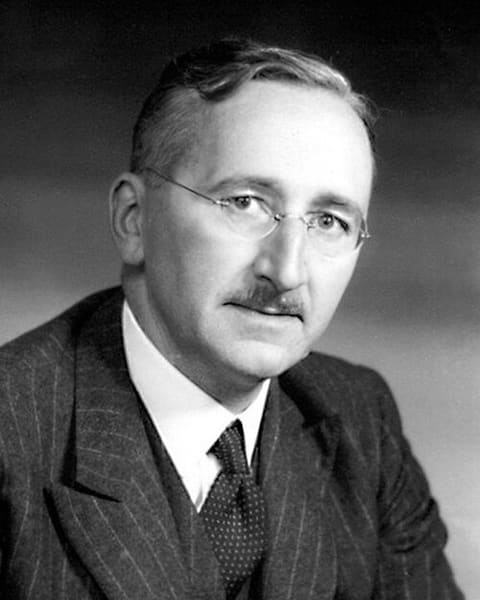
A German economist, Hoppe radicalized anarcho-capitalism, defending absolute private property and criticizing democracy as a system that erodes freedom, proposing social orders based on voluntary contract.
Closest, by dimension

Other compatible profiles



The most distant
Reference country
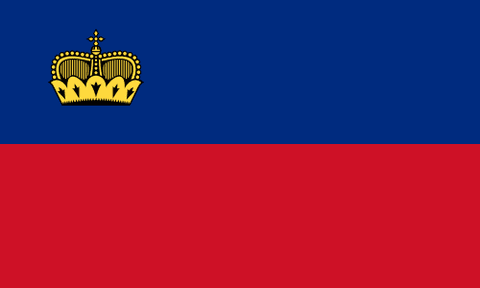
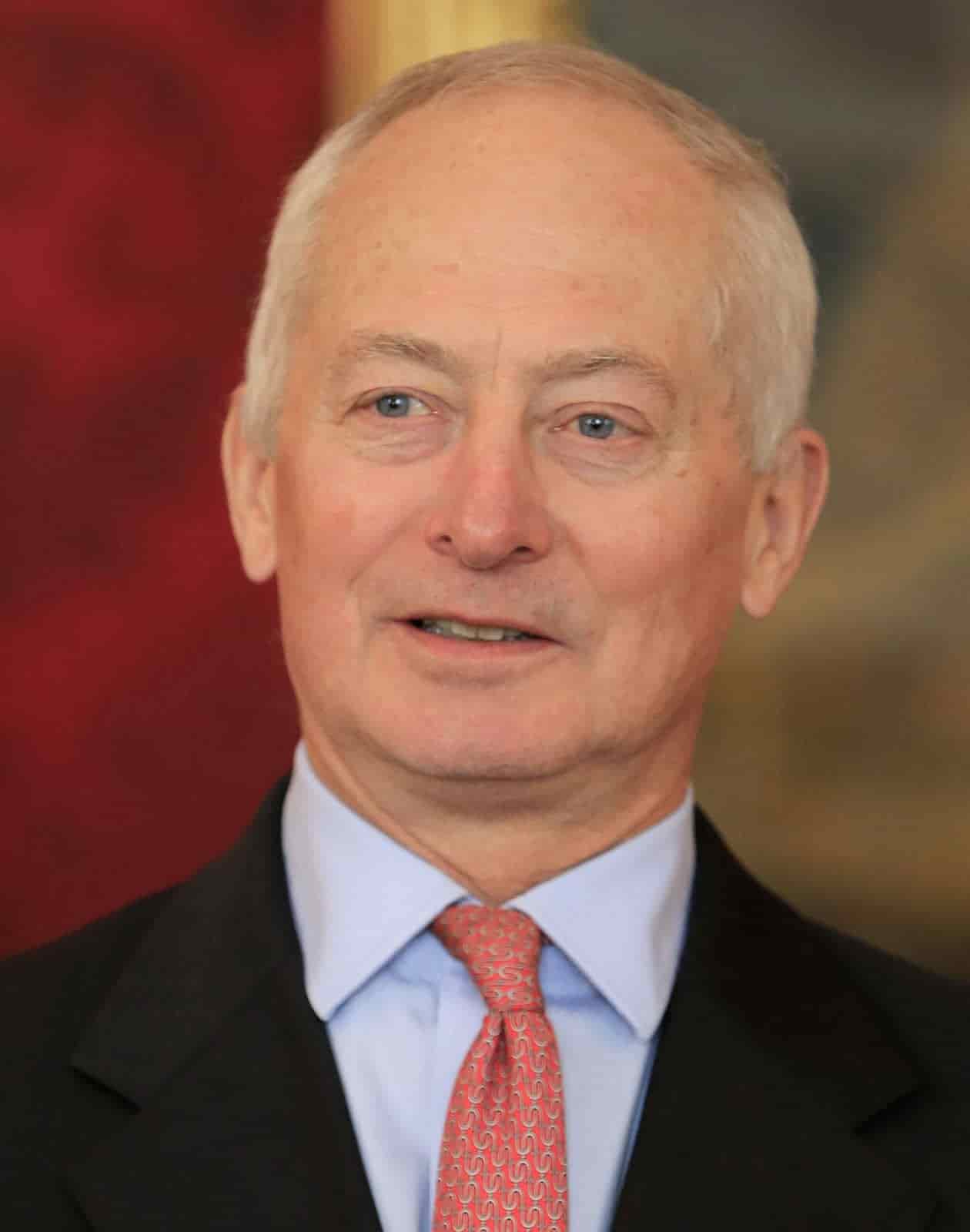
A tiny European principality, Liechtenstein is a prosperous constitutional monarchy, with strong local autonomy, a liberal economy based on finance and industry, and one of the highest income levels per capita in the world.
Other close countries

Switzerland's smallest canton and one of the lowest-taxed jurisdictions in the world, Zug attracts holdings and foundations through low taxation, hosts the Crypto Valley around Ethereum and accepts tax payments in bitcoin, under cantonal direct democracy.
Also close, by dimension
The most distant
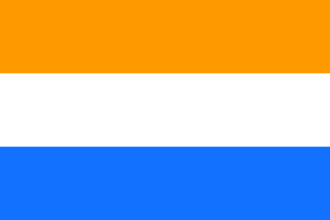
A pioneering modern merchant republic, the United Provinces were a confederation governed by a commercial oligarchy, marked by religious tolerance, free trade, and immense naval and financial power at their height.
Also close, by dimension
The most distant
Ideological proximity
Closest within Libertarian
Current tied to Hans-Hermann Hoppe that joins anarcho-capitalism, absolute private property and criticism of democracy, defending social orders based on contract, voluntary association and private authority.
Synthesis that unites free markets and a minimal state with the defense of tradition, family, and order, valuing individual freedom and personal responsibility alongside the preservation of customs and institutions.
Branch that unites anti-politics, radical free markets, and direct popular communication, attacking bureaucracies, taxes, and party elites in the name of individual freedom, entrepreneurship, and the sovereignty of the ordinary citizen.
Closest in other spectrums
Liberalism before mass democracy: it guarantees civil liberty, property, a free press and a lean state, but restricts the vote to educated property owners, fearing that unlimited popular sovereignty would destroy the very liberties it protects.
Tradition of republics made of sovereign provinces or cantons, such as the Dutch Republic and the old Swiss Confederacy, with local self-government, open trade, armed neutrality and deep-rooted Protestant faith.
Economic system based on private property, free markets, and the pursuit of profit, in which production and prices are regulated by competition and supply and demand, with individual initiative as its engine.
The most distant ideology
Stalinist SocialismRadical Left0%