Mutualism
Anarchist current founded by Proudhon that advocates fair exchange, free credit, and use-based property, with producers and cooperatives trading among themselves without exploitation, bosses, or a central state.
Compare with…Home / Ideologies / Mutualism
Anarchist current founded by Proudhon that advocates fair exchange, free credit, and use-based property, with producers and cooperatives trading among themselves without exploitation, bosses, or a central state.
Compare with…In one sentence
I want cooperatives and producers trading fairly, with free credit and possession by use, free of bosses, exploitation and a central state.
Political axes
Leans further toward federal than 97% of the 276 ideologies in the catalog.
Of all the axes, Structure is where it stands furthest from the rest.
On Economy, it sits practically at the catalog median.
Here it shares common ground with most ideologies.
Analytical Summary & Scientific Audit
Mutualism belongs to the Anarchist political family across the 12 Axes framework. Core measured positions: Structure: 98% Federal; Power: 96% Liberty; Geopolitics: 96% Pacifist; Immigration: 91% Multiculturalism.
Political current calibrated from primary treatises in political philosophy and history of economic thought (SEP / HET).
Primary sources & scientific datasets
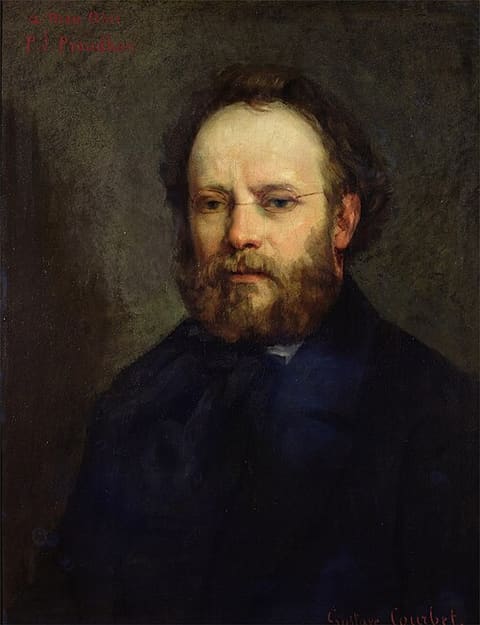
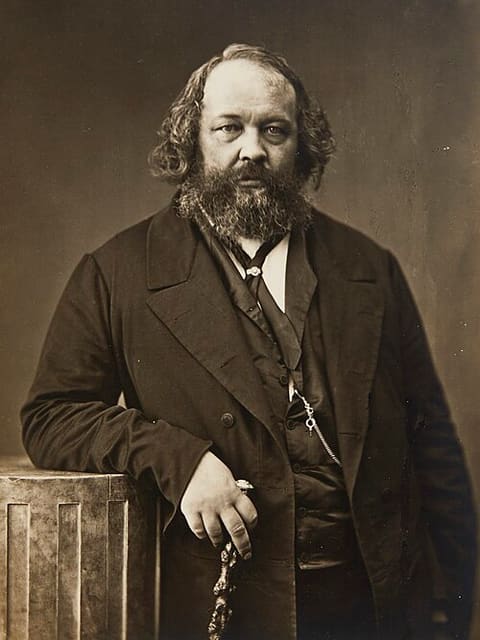
A French philosopher, Proudhon was the first to declare himself an anarchist and formulated mutualism, defending fair exchange, free credit, and use-based property, with the famous phrase that property is theft.
Closest, by dimension
Other compatible profiles
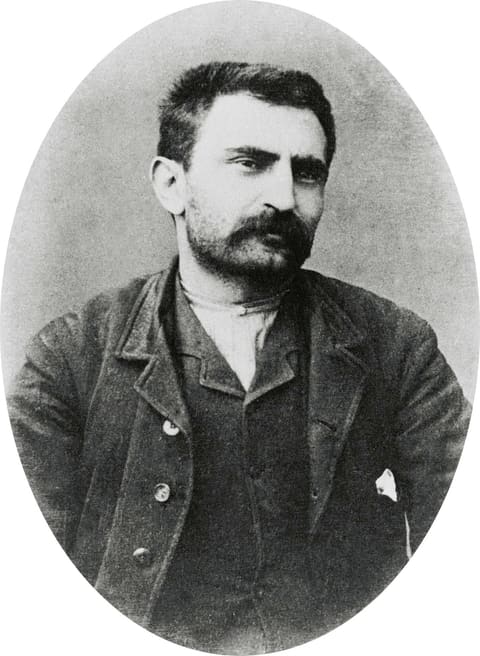
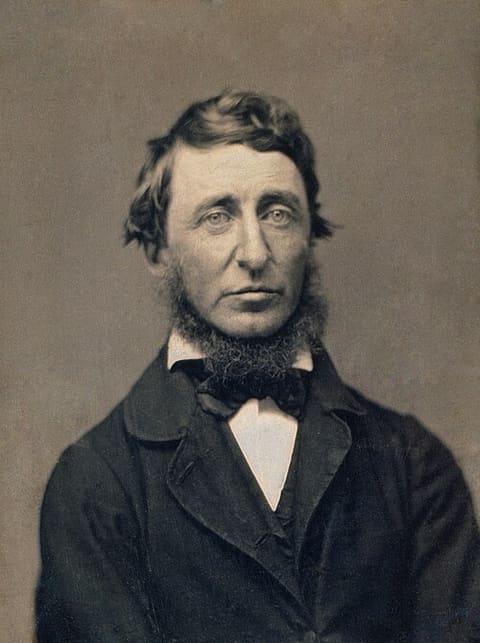
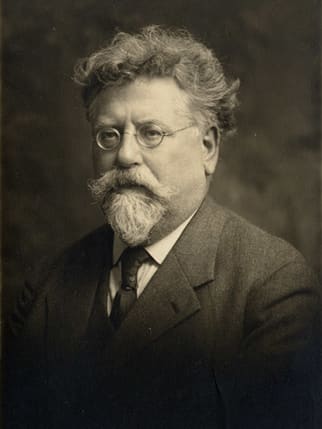
The most distant
Reference country

A European semi-presidential republic, France combines a strong republican and secular tradition, a robust welfare state, a mixed economy, and a prominent diplomatic, cultural, and military role in the European Union and the world.
Other close countries
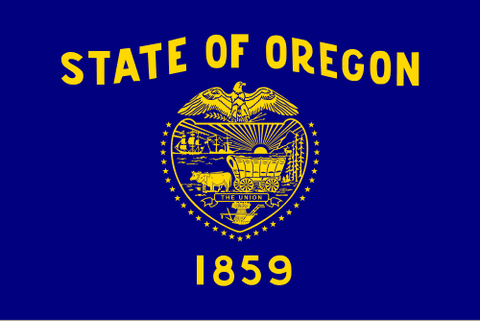
West Coast state, Oregon combines voting by mail, citizen initiatives, environmentalism and one of the least religious populations in the country, with liberal laws on drugs and assisted dying and an economy of forestry, technology and wine.
Also close, by dimension
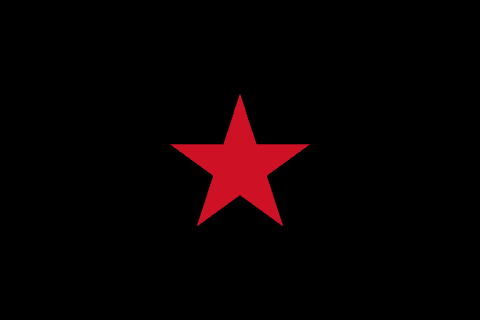
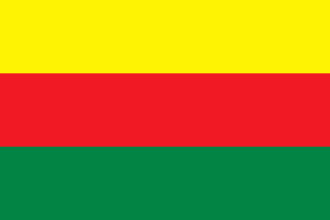
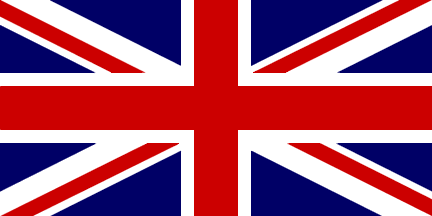
The most distant

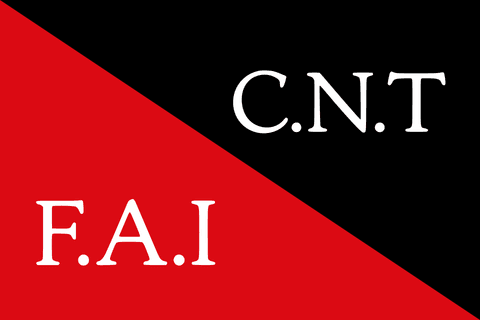
During the Russian Revolution, Makhno's Free Territory was an anarchist experiment in Ukraine, with self-managed peasant communes and popular militias that rejected both the White state and Bolshevik power.
Also close, by dimension


The most distant
Ideological proximity
Closest within Anarchist
Philosophy that rejects the state and all coercive authority, defending the free organization of society through voluntary associations, cooperation, and self-management, with freedom and equality as central values.
Synthesis of anarchism and Georgism that rejects the state but treats land and natural resources as commons, defending that their rent be shared by the whole community in a free and egalitarian way.
Current that sees revolutionary unions as the basis for overthrowing capitalism through direct action and the general strike, organizing production by the workers themselves in a free, stateless society.
Closest in other spectrums
Synthesis that unites mutualism with a minimal state, combining fair exchange, cooperatives, and free credit with a public structure reduced to the essential functions of protecting rights, contracts, and freedoms.
Current that unites free markets and individual freedoms with concern for social justice, holding that economic freedom must also concretely improve the lives of the poorest and most vulnerable.
A plural critique of universalism, linear progress, and grand narratives. In a Foucauldian reading, genealogy and power/knowledge analysis show how institutions, norms, and discourses produce subjects and open possibilities for local resistance.
The most distant ideology
Techno-FascismThird Position0%