Neo-Malthusianism
Current that proposes tackling population pressure on resources through contraception, voluntary family planning, sex education and women's reproductive autonomy, backed by public health and development.
Compare with…Home / Ideologies / Neo-Malthusianism
Current that proposes tackling population pressure on resources through contraception, voluntary family planning, sex education and women's reproductive autonomy, backed by public health and development.
Compare with…In one sentence
I want voluntary family planning, contraception and education within everyone's reach, with reproductive autonomy and development to sustain resources.
Political axes
Leans further toward progressive than 87% of the 276 ideologies in the catalog.
Of all the axes, Morality is where it stands furthest from the rest.
On Structure, it sits practically at the catalog median.
Here it shares common ground with most ideologies.
Analytical Summary & Scientific Audit
Neo-Malthusianism belongs to the Center political family across the 12 Axes framework. Core measured positions: Representation: 88% Democracy; Religion: 82% Secular; Morality: 80% Progressive; Immigration: 72% Multiculturalism.
Ideology calibrated from canonical comparative Political Science literature (Heywood, Bobbio, Freeden, MARPOR and CHES).
Primary sources & scientific datasets
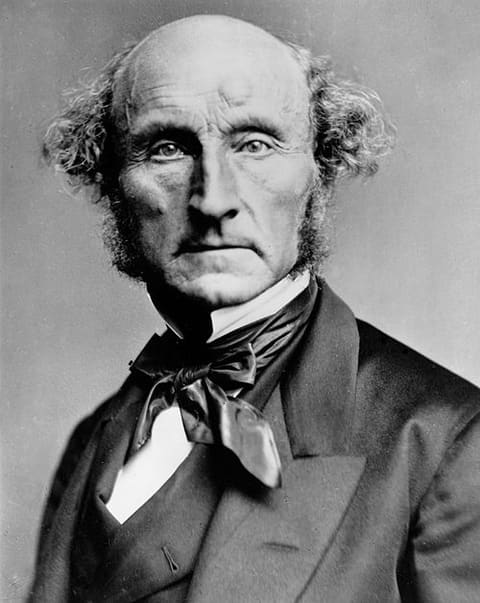
A British liberal philosopher, Mill championed individual liberty, tolerance, utilitarianism, and the harm principle, making him a foundational figure of modern liberalism.
Closest, by dimension


Other compatible profiles







The most distant
Reference country

At its Victorian height, the British Empire was the largest in history, uniting parliamentary monarchy, the industrial revolution, and global colonial rule, with strong commercial, naval, and cultural expansion across the world.
Other close countries

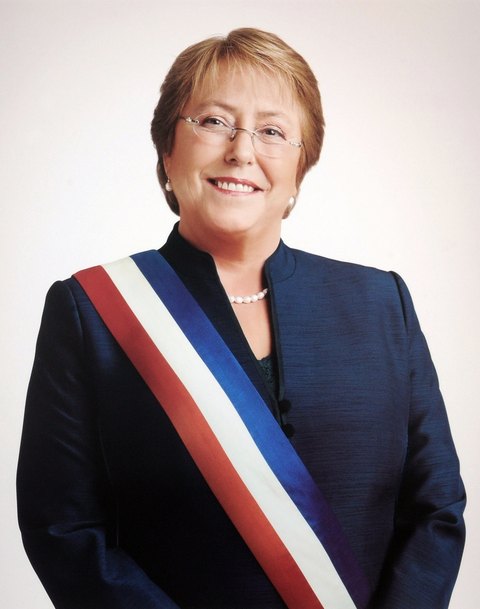
A South American presidential republic, Uruguay is recognized for solid democracy, strong secularism, broad social rights, and progressive policies, pairing institutional stability with a market economy.
Also close, by dimension


The most distant
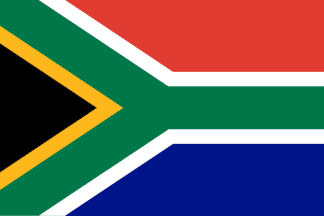
Post-apartheid transition under Nelson Mandela: first multiracial elections, a government of national unity, the 1996 Constitution, the Truth and Reconciliation Commission and moderately liberal economic policy.
Also close, by dimension


The most distant
Ideological proximity
Closest within Center
Nationalism based on citizenship and shared values rather than ethnicity, defining the nation by adherence to common laws and institutions, open to all who accept its democratic and civic principles.
Political tradition that values popular sovereignty, civic virtue, and the rule of law, defending citizens' self-government, the separation of powers, and protection against tyranny and the corruption of power.
Centrist branch that prioritizes sustainability, gradual energy transition, environmental regulation, and technological prudence, seeking to reconcile climate protection, markets, and democratic institutions without anti-capitalist rupture.
Closest in other spectrums
Synthesis of Georgism and socialism advocating the socialization of economic rent from land and natural monopolies to fund universal public services and a citizen dividend.
Current that advocates social reforms and the expansion of rights to promote equality and justice, trusting progress, science, and collective action to transform institutions and overcome inequalities.
Current that unites socialist goals of equality and social justice with the defense of individual freedoms and democracy, combining strong social protection with pluralism, civil rights, and a mixed economy.
The most distant ideology
National SocialismThird Position8%