Christian Progressivism
Current that unites Christian faith with the defense of social justice, rights, and reforms, seeing in the Gospel a call to solidarity, equality, and care for the poor and marginalized of society and the world.
Compare with…Home / Ideologies / Christian Progressivism
Current that unites Christian faith with the defense of social justice, rights, and reforms, seeing in the Gospel a call to solidarity, equality, and care for the poor and marginalized of society and the world.
Compare with…In one sentence
I want a society guided by the Gospel as a call to social justice, solidarity and care for the poor.
Political axes
Leans further toward progressive than 79% of the 276 ideologies in the catalog.
Of all the axes, Morality is where it stands furthest from the rest.
On Trade, it sits practically at the catalog median.
Here it shares common ground with most ideologies.
Analytical Summary & Scientific Audit
Christian Progressivism belongs to the Left political family across the 12 Axes framework. Core measured positions: Representation: 84% Democracy; Immigration: 78% Multiculturalism; Geopolitics: 76% Pacifist; Morality: 71% Progressive.
Progressive Christian social teaching and Latin American Liberation Theology: solidarity, land reform and cooperatives without total state collectivism (`economia` `82.5 -> 70.0`).
Primary sources & scientific datasets

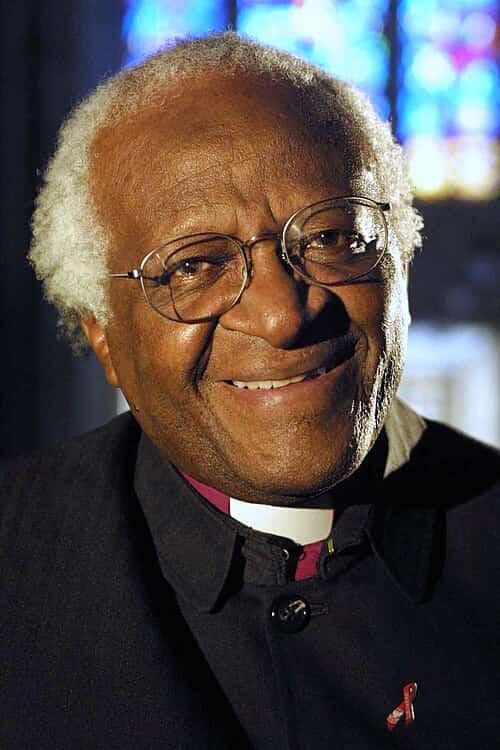
A Brazilian theologian, Boff is one of the leading names of Liberation Theology, uniting Christian faith with the struggle for social justice and the defense of the poor and the environment, with strong criticism of capitalism and inequality.
Closest, by dimension


Other compatible profiles




The most distant
Reference country
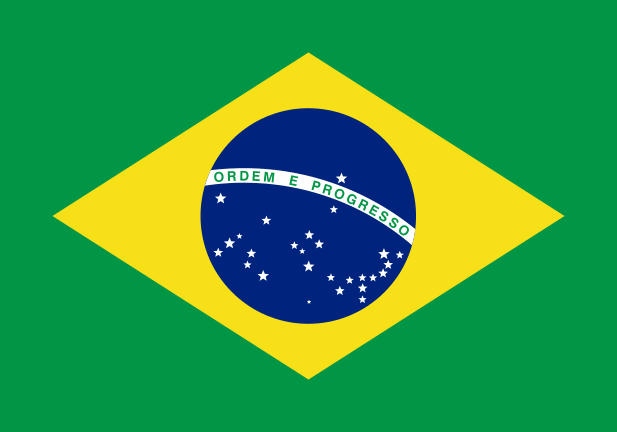
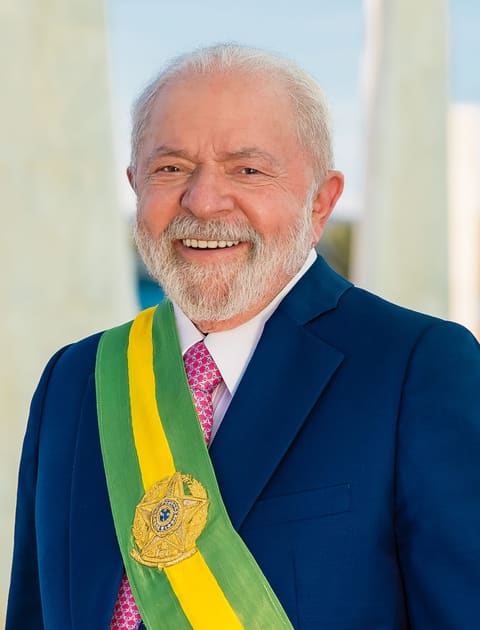
The largest country in Latin America, Brazil is a democratic presidential federal republic with a mixed economy, broad social policies, and strong regional, cultural, and political diversity that shapes its electoral disputes.
Other close countries
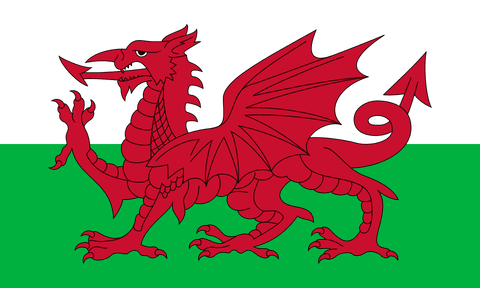
A constituent country of the United Kingdom with its own parliament (Senedd), Wales combines official Welsh-English bilingualism, a post-industrial labour and trade-union tradition, universal public healthcare, and a nationalist Plaid Cymru government since 2026.
Also close, by dimension

The most distant
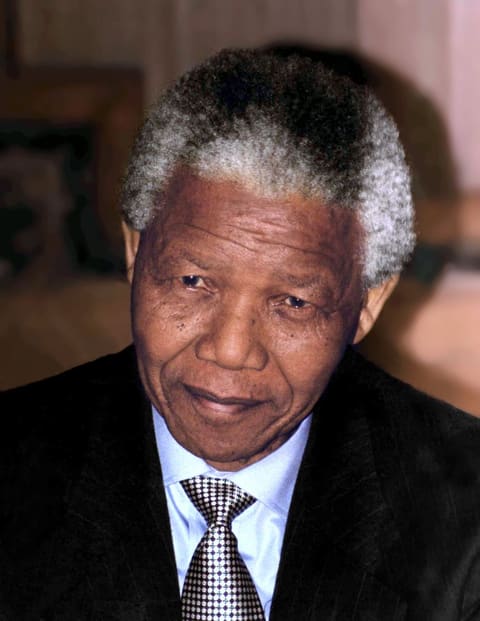
Post-apartheid transition under Nelson Mandela: first multiracial elections, a government of national unity, the 1996 Constitution, the Truth and Reconciliation Commission and moderately liberal economic policy.
Also close, by dimension


The most distant
Ideological proximity
Closest within Left
Current that turns the Gospel into reforms within democracy, defending a welfare state, labor rights, unions and redistribution without breaking with the market or with liberal institutions.
Current that seeks to move beyond capitalism through elections, with social ownership of large firms, cooperatives and workplace democracy, rejecting both the vanguard party and mere social democratic management of the market.
Branch that seeks concrete social results by negotiating with the market and existing institutions, prioritizing responsible fiscal austerity, targeted social policy, and governability over revolutionary ideological purity.
Closest in other spectrums
Nationalism based on citizenship and shared values rather than ethnicity, defining the nation by adherence to common laws and institutions, open to all who accept its democratic and civic principles.
Current that values community bonds, traditions, and the common good above individualism, holding that justice and identity arise from life in community and the responsibilities people share.
Centrist branch that prioritizes sustainability, gradual energy transition, environmental regulation, and technological prudence, seeking to reconcile climate protection, markets, and democratic institutions without anti-capitalist rupture.
The most distant ideology
Stalinist SocialismRadical Left30%